
Last updated October 15, 2026
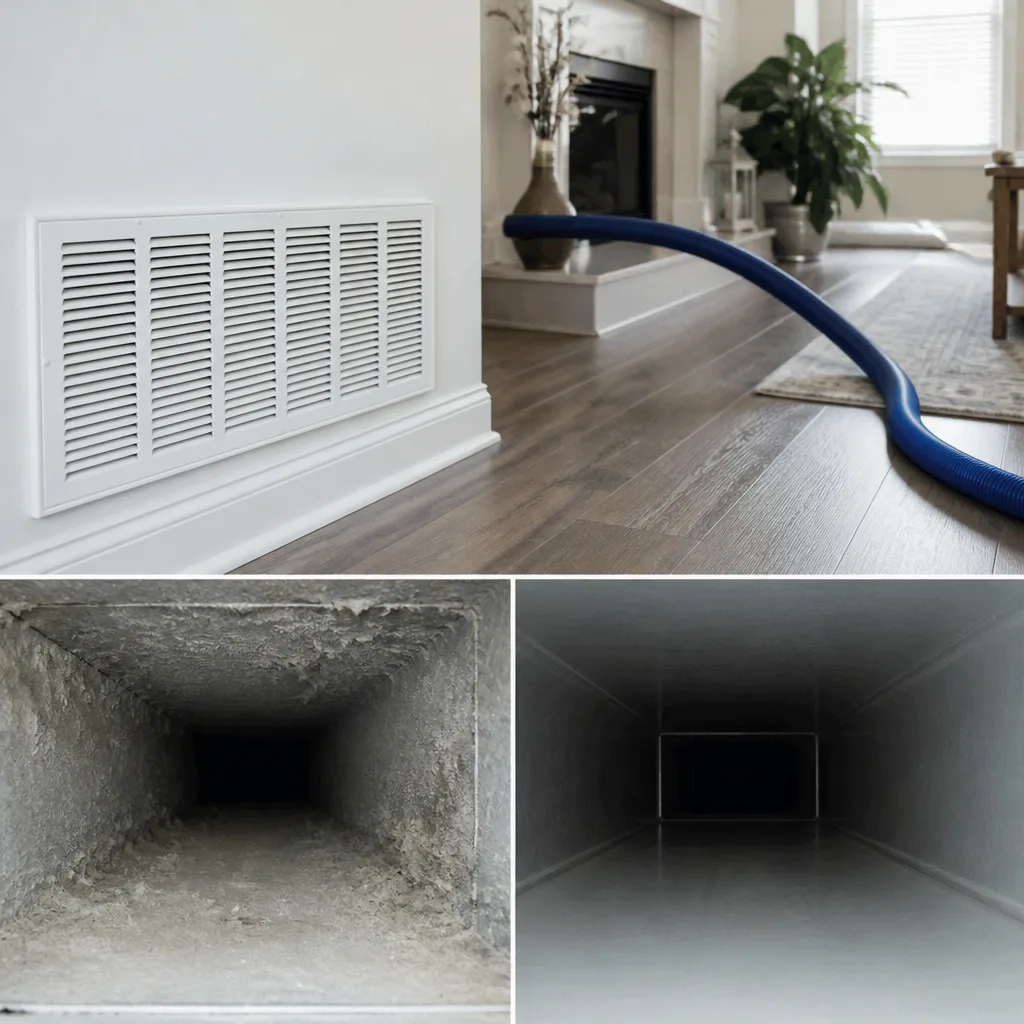 Whole-home duct cleaning
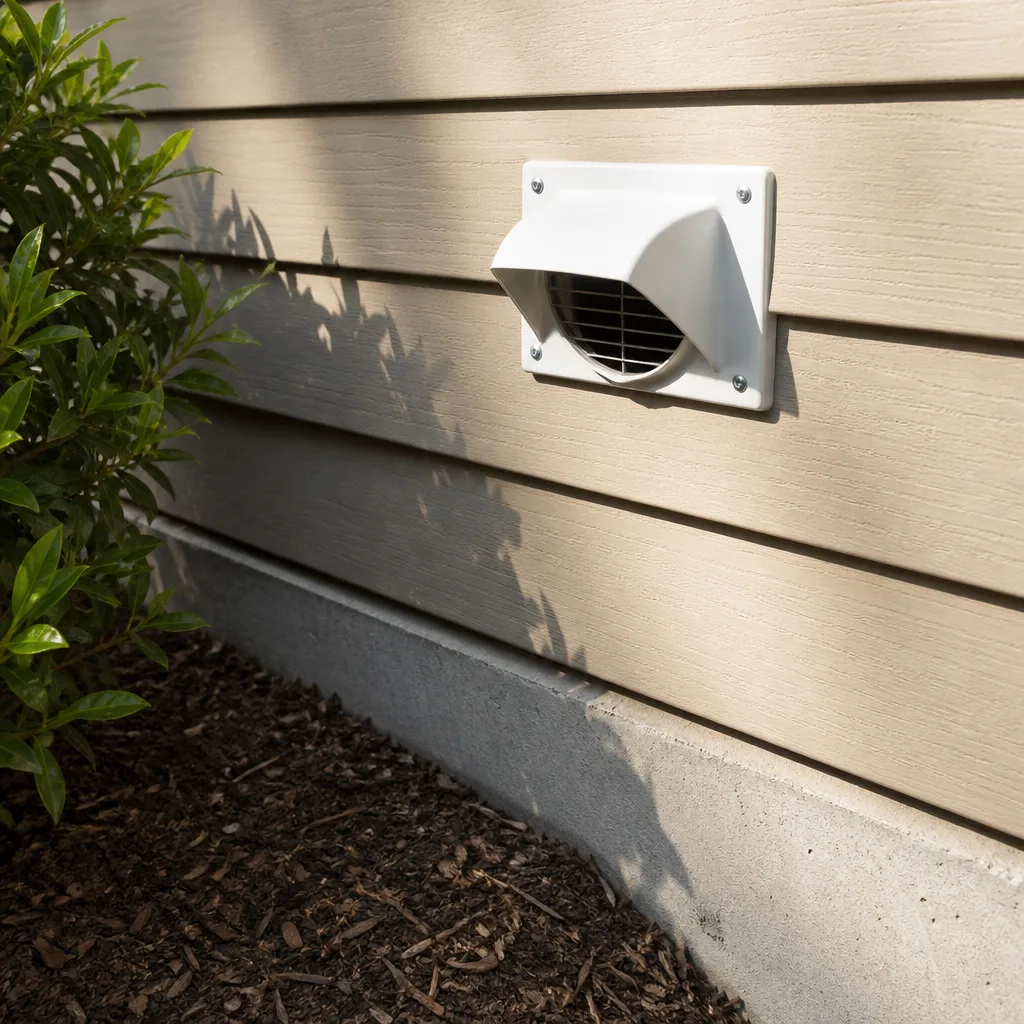 Dryer vent cleaning
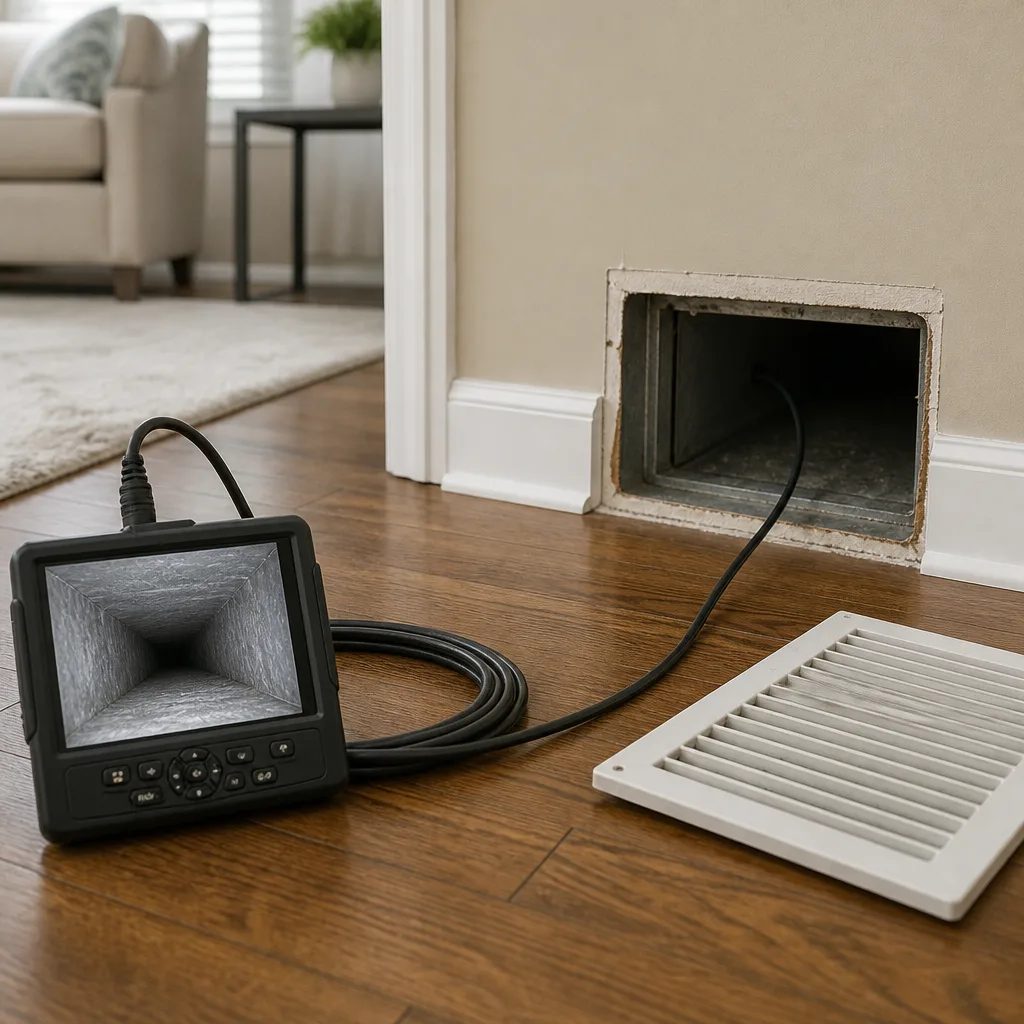 Camera inspection
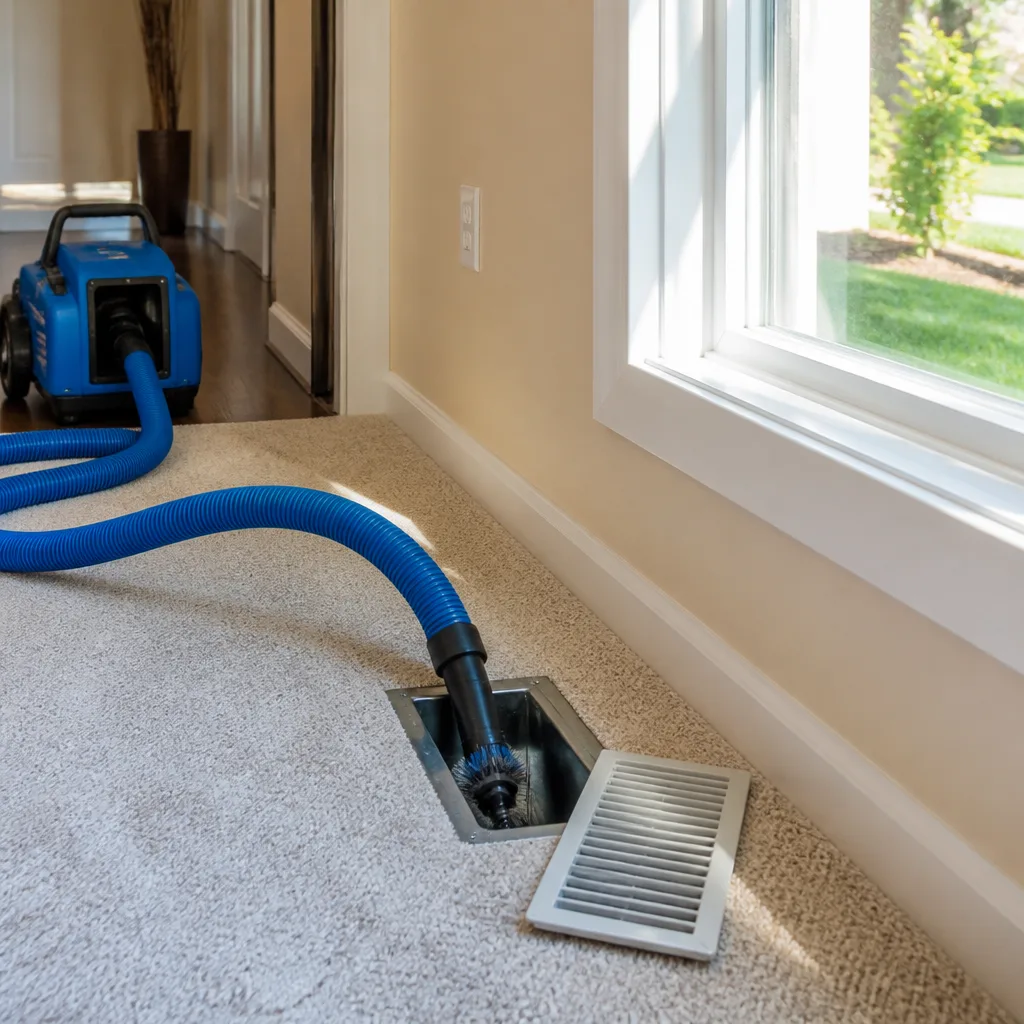 Sanitizing & deodorizing
Whole-system duct and dryer vent check with before-and-after photos - you see exactly what came out of your vents
That "$99 whole-house special" is a bait ad - the real number appears once they are in your hallway, or the "clean" is a shop-vac at the register. We photograph the inside of your ducts before and after instead.
Seasonal Air Duct Cleaning Care for Las Vegas: Year-Round Homeowner’s Guide
Las Vegas doesn’t get seasons the way the rest of the country does. Instead of spring, summer, fall, and winter, homeowners here get two distinct HVAC crisis windows and two brief, precious maintenance windows. Your cooling system runs more than 2,800 hours a year in Clark County, which is roughly two and a half times the national average of 1,100 hours. That kind of workload changes everything about how ducts collect dust, how often they need cleaning, and when that cleaning should happen. This guide explains the real seasonal rhythm of Air Duct Cleaning in the Las Vegas Valley, month by month, and why timing the work correctly saves you money and extends the life of your system.
Styles & brands we work with
Quick Answer
In Las Vegas, air ducts should be cleaned twice a year: once in April before cooling season kicks in, and once in October after the summer dust load has settled. April is the priority because that’s when you clear out winter debris, swap in a higher-MERV filter, and inspect ducts for cracks before the AC starts running daily. October matters because it’s the only month when attic temperatures drop enough to safely access and inspect ducts before the heating flip in December.
Table of Contents
- Why Las Vegas Has Its Own HVAC Calendar
- The April Maintenance Window: Post-Winter Purge
- June Through August: The Cooling Crisis Window
- The October Window: Attic Access and Insurance Documentation
- December Through January: The Heating Flip
- Month-by-Month Quick Reference for Las Vegas
- How Winter Humidifiers Change Dust Behavior in Ducts
- Common Mistakes to Avoid
- When to Call a Professional
- Frequently Asked Questions
- The Bottom Line
Why Las Vegas Has Its Own HVAC Calendar
Every national duct cleaning guide you’ll find online is written for a world with four real seasons, regular rainfall, and winter temperatures that matter. Las Vegas breaks that model. The National Weather Service records show the Las Vegas Valley gets about 4.2 inches of rain per year, mostly in short winter bursts. That means almost no natural washing of exterior vents, almost no humidity to keep dust settled, and a constant pull of desert particulate into return ducts every time the blower cycles on. Add construction dust from the Valley’s nonstop building activity, and interior ducts here fill faster than in most U.S. cities.
We’ve seen the results in homes across Summerlin, Henderson, Centennial Hills, and Spring Valley. A three-bedroom house in Las Vegas can accumulate enough fine dust, construction debris, and pet dander in its ducts within nine months to make a visible difference in indoor air quality and cooling efficiency. The practical takeaway: duct care in Las Vegas is not an annual chore. It’s a twice-a-year discipline tied to two precise windows, April and October, because those are the months when the work is safe to do and delivers the most benefit.
This guide is rooted in the specifics of the Las Vegas Valley climate, including how attic temperatures shape what’s safe for flex duct systems, how the July heat changes what you should and shouldn’t schedule, and what documentation matters for insurance after the October inspection. For a broader look at your options, start with our Air Duct Cleaning in Las Vegas service page, then come back here for the seasonal strategy.
The April Maintenance Window: Post-Winter Purge
April is the single most important month for duct care in Las Vegas. By mid-April, daytime highs are consistently in the 80s, but attics haven’t yet turned into ovens. That makes it the safest month for technicians to work inside attic spaces without risking heat-related damage to flex duct liners or to themselves. It’s also the month when winter dust, which accumulates indoors while windows stay closed during cooler weather, is most concentrated and easiest to remove before the AC cycles it constantly for the next five months.
There are three tasks that belong in a proper April maintenance window:
- Post-winter dust purge. Winter in Las Vegas means closed windows, occasional fireplace use, and radiators or heat pumps running regularly. Dust builds up in return ducts and supply registers during these months. A full air duct cleaning in April removes that load before the cooling season starts. Most standard air duct cleanings for a typical Las Vegas home run $350 – $550 depending on square footage and number of systems.
- Filter upgrade to a higher MERV rating. Before the cooling season, swap out whatever basic filter you used all winter for a MERV 11 or MERV 13 rated filter, provided your HVAC system can handle the added airflow resistance. Higher MERV ratings capture more fine dust and pollen. Some systems need a MERV 8 to avoid strain, so check your unit’s specifications first. This is also the time to address filtration hardware, whether you use Honeywell media cabinets or standard 1-inch filter slots.
- Duct joint inspection after winter contraction. The Las Vegas Valley’s temperature swings, from 30-degree winter nights to 110-degree summer days, cause duct materials to expand and contract. That movement loosens tape and mastic at joints over time. April is when those gaps are easiest to spot and repair, before the summer cooling load forces conditioned air through leaks into the attic. A leaky supply duct doesn’t just waste energy; it pulls attic dust into rooms and shortens the life of your compressor.
If you only do one duct-related task in a given year, do the April purge. It directly reduces indoor dust from May through September, the months when Las Vegas families spend the most time indoors with windows closed and AC running.
What a Professional April Cleaning Covers
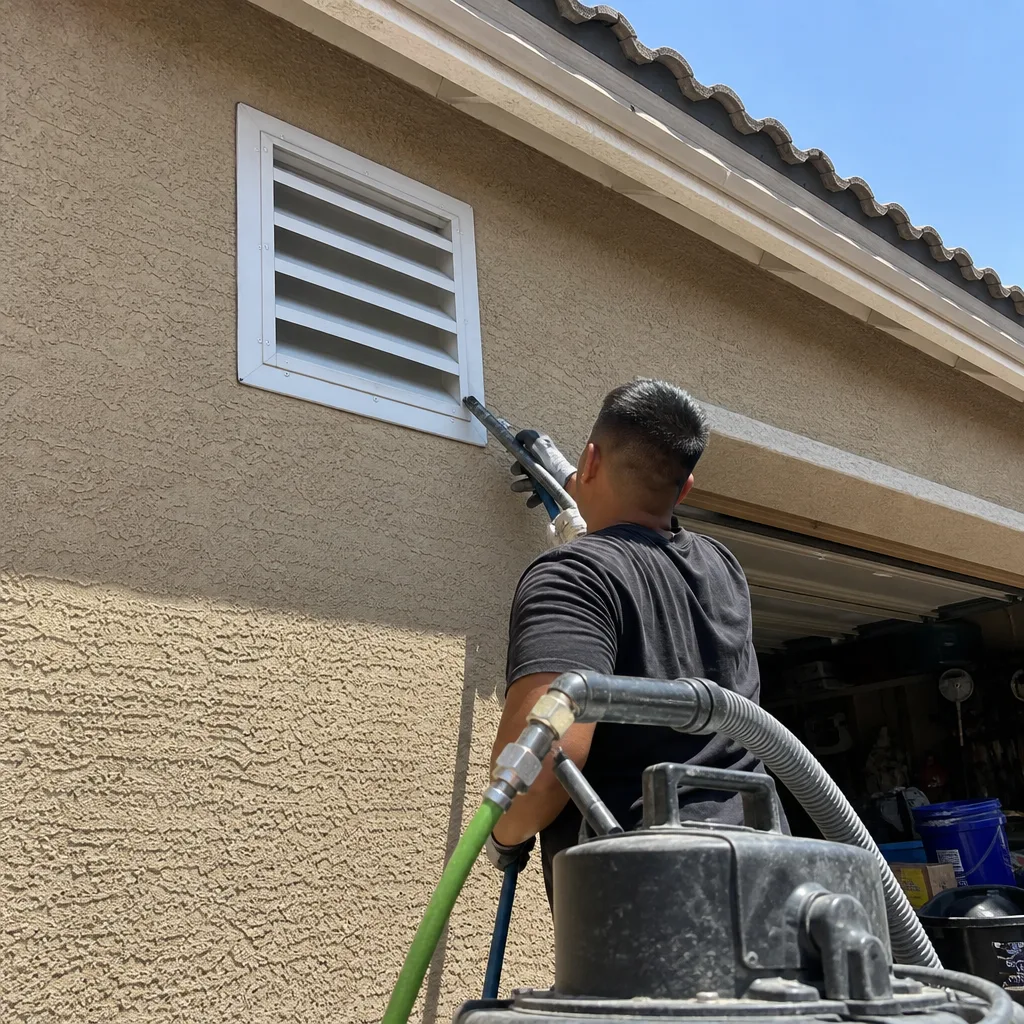
A proper seasonal cleaning is not just running a vacuum through a register. Our team at Cardinal Air Duct Las Vegas uses Rotobrush rotary brush systems to mechanically agitate debris off duct walls, then pairs that with Nikro HEPA-filtered vacuums for negative-pressure extraction, meaning the loosened debris goes straight into the vacuum, not back into your living room. We also inspect the evaporator coil, blower motor, and drain pan during the same visit, since those components work together and accumulate the same dust. For homeowners interested in the full mechanical picture, our HVAC Cleaning in Las Vegas page lays out what a complete system clean includes.
June Through August: The Cooling Crisis Window
Here’s the counterintuitive part: the worst time to schedule a deep duct cleaning in Las Vegas is during the very months when your AC is working hardest. June through August attic temperatures routinely reach 140 to 150 degrees Fahrenheit in the Valley. Flex duct liners, the soft inner layer of the flexible ducting used in most Clark County homes, become pliable and fragile at those temperatures.
Running a rotary brush through flex ducts in mid-July risks tearing the liner, and a torn liner doesn’t announce itself. It releases insulation fibers and liner fragments into the airstream that then blow into living spaces. Warm, softened ductwork also doesn’t hold up well to the negative pressure of HEPA extraction systems. The professional standard in Las Vegas is to avoid any interior duct cleaning during peak attic heat whenever possible. That doesn’t mean you ignore your system in summer; it means you handle the deep work in April and October, and focus on lighter tasks in between.
What you should do during the June – August window:
- Check and replace your air filter monthly. Peak cooling months load filters faster than any other time of year. A clogged filter restricts airflow and forces the blower to work harder.
- Keep an eye on supply registers for visible dust buildup or musty odors, which can signal a problem that predates the season.
- If you can see dust accumulating on furniture within days of cleaning, your ducts may need attention sooner than October, but the fix is often a filter issue, not dirty ducts.
- Don’t schedule attic duct work during heat waves. Wait for the October window. The work will be safer, more effective, and gentler on your duct material.
If your system fails entirely during a July heat spike, which happens in Las Vegas more than most places, the immediate issue is the mechanical system. But once the immediate repair is done, the deeper question is whether duct contamination contributed to the failure. Clogged coils and restricted airflow force compressors into overwork, and those failures are expensive. That’s why the April work matters so much.
The October Window: Attic Access and Insurance Documentation
October is the second critical maintenance month in Las Vegas, and it’s the one most homeowners miss. By October, daytime highs have usually dropped back into the 80s, but the heating season hasn’t started. That creates a roughly four-to-six week stretch when attic temperatures are tolerable for human work and safe for duct materials. October is the only month in the Las Vegas Valley when attic access for a full duct inspection is genuinely comfortable for a technician wearing protective gear.
What should happen in October:
- Post-summer duct inspection. Five months of constant cooling stress take a toll. October inspections frequently reveal failed duct tape at joints, sagging flex duct runs, crushed sections from other attic work, and loose connections at plenums. Catching these issues in October means fixing them before the heating season starts and before winter winds make attic work uncomfortable.
- Debris and pest check. Scottsdale, Nevada, and Clark County attics can accumulate roof rat droppings, bird nesting material, and construction debris during the summer. A post-summer cleaning removes these contaminants before you close windows for winter and start recirculating air.
- Documentation for insurance. This is the part most guides skip. If your ducts have been inspected and cleaned by a professional in October, you have a dated, photographic record of their condition. If a winter issue arises, like a roof leak that damages ductwork or a pest infestation that contaminates insulation, having pre-damage documentation makes insurance claims far simpler. We provide before-and-after photo documentation as part of The Relay Standard on every job, and that documentation has helped Las Vegas homeowners settle claims for storm and pest damage. Keep your October inspection report in your insurance file.
October is also the right time to clean dryer vents, not because of the season but because the fall is when many households in Las Vegas start using dryers more heavily after a summer of line-drying in the heat. Lint buildup in dryer vents is the most common cause of residential dryer fires, and a single fall cleaning makes a meaningful safety difference. You can read more about that specific service on our Dryer Vent Cleaning in Las Vegas page.
December Through January: The Heating Flip
Las Vegas winters are short, but the flip from cooling to heating creates its own duct cleaning considerations. The moment you switch the thermostat from Cool to Heat, a few things happen inside your ducts. Dust that’s been sitting on the interior walls of supply ducts, dried out by months of cool air, suddenly gets hit with warm air for the first time in half a year. That warm air makes the dust expand, loosen, and go airborne. The result is a familiar Las Vegas experience: people turning on the heat for the first time in December and noticing a burnt or dusty smell coming from the vents.
That smell is usually not a fire hazard. It’s accumulated dust burning off the heat exchanger and duct interiors. But it’s a symptom of a system that needed an October cleaning and didn’t get one. Ideally, your ducts were cleaned in October, so the December heating flip produces no smell at all. What you should do during the winter heating season in Las Vegas:
- Run the system for 20 minutes with windows open after the first heating cycle to flush any residual smell.
- Check the air filter again after the heating flip. Dust that went airborne during the first heated cycle gets trapped in the filter, which can clog quickly.
- Keep an eye on energy bills in December and January. Leaky ducts become more obvious in heating season because heated air rises through attic leaks more readily than cooled air does.
- If you use a whole-home humidifier in winter, note the implications for dust, which are covered in the next section.
Winter is also when many Las Vegas homeowners run humidifiers to fight the dry air, and humidifier use changes how ducts behave. That’s a topic worth its own section because it’s rarely discussed in national guides.
Month-by-Month Quick Reference for Las Vegas
This is a practical calendar you can pin to the fridge or save on your phone, and for more guides & resources on maintaining your system, visit our blog. It’s tailored to the Las Vegas Valley climate, not generic national advice.
- January: Check filter after heating flip. Listen for whistling or rattling from registers, which may signal duct leaks. No deep cleaning needed.
- February: Inspect visible ductwork in garage or utility closet. Replace filter if dusty. Consider scheduling your April cleaning now; good local providers book out weeks in advance.
- March: Final reminder: schedule April duct cleaning. Clean or replace the filter. Look for dust accumulation on blinds and furniture as an indoor air quality signal.
- April: Full air duct cleaning. Post-winter purge. Duct joint inspection. Upgrade to higher-MERV filter. This is the most important duct task of the year.
- May: Light filter change. Confirm the system is cooling evenly in every room; uneven cooling often points to duct leaks.
- June: Monthly filter replacement. Do not schedule attic duct cleaning. Watch for dust near supply registers as a symptom of a bigger problem.
- July: Monthly filter replacement. Monitor energy bills; spiking usage compared to last July can indicate duct leaks or a struggling system.
- August: Monthly filter replacement. Check for musty smells from vents; monsoon humidity can interact with duct dust. Start planning for October.
- September: Schedule October duct inspection and cleaning. The October window fills quickly once temperatures drop.
- October: Full post-summer duct inspection. Debris and pest check. Flex duct joint repair. Dryer vent cleaning. Save your documentation for insurance records.
- November: Light filter change. Prepare for the heating flip. Consider whether a humidifier will be used and check its filter if so.
- December: Run heating system briefly with windows open after first heating cycle. Watch for burning dust smell, which signals missed October cleaning. Replace filter if needed.
Following this calendar consistently means your April and October cleanings are deep, thorough, and efficient. Skipping the calendar means crowded schedules, last-minute calls during crisis windows, and paying emergency prices for work that could have been planned.
How Winter Humidifiers Change Dust Behavior in Ducts
One factor that makes Las Vegas duct care different from most markets is the way winter humidity, or the deliberate addition of it, affects dust. The desert air here holds almost no moisture most of the year. Dust inside ducts stays dry, light, and easy to extract. But when Las Vegas homeowners run Aprilaire whole-home humidifiers or portable units during the dry winter months, that added moisture changes the physics of dust inside ductwork.
Humidified air makes dust particles heavier and more adhesive. Instead of blowing through the system and being caught by filters, humid dust sticks to duct walls, coil surfaces, and blower blades. It forms a film that’s harder to remove than dry dust. This is why a duct cleaning done right after a winter of heavy humidifier use is more involved than the same cleaning after a dry season. The practical guidance is simple: if you use a whole-home humidifier during Las Vegas winters, the April cleaning becomes even more important. The post-winter purge needs to address that adhered dust film before it bakes onto surfaces during the summer heat.
Conversely, if you skip the April cleaning and let that humidified dust sit through a 110-degree summer, it will bake onto duct surfaces and become significantly harder and more expensive to remove later. What starts as a straightforward cleaning becomes a more intensive process requiring mechanical agitation and HEPA extraction, sometimes multiple passes. We see this pattern in homes throughout the Las Vegas Valley, particularly in newer builds in Henderson and North Las Vegas where whole-home humidifiers are becoming standard equipment. For homeowners considering humidifier installation, the April cleaning schedule is not an afterthought; it’s part of the operating cost of running one.
Common Mistakes to Avoid
- Scheduling duct cleaning in July or August. Attic temperatures in Las Vegas reach 140 – 150 degrees during peak summer. Flex duct liners soften in that heat, and running rotary brushes through them risks tearing. A tear sends insulation fibers into your living space and turns a $400 cleaning into a $2,000 duct replacement.
- Assuming the burnt smell in December means the system is broken. It usually means dust accumulated and baked on during the summer is now burning off the heat exchanger. The fix isn’t a panic call; it’s scheduling the October cleaning next year so the smell never happens.
- Using the cheapest filter that fits. A $3 fiberglass filter lets fine dust through into your ducts, coils, and blower motor. That dust becomes the expensive cleaning problem later. A mid-range pleated filter is the cheapest insurance you can buy for your system.
- Cleaning only the visible register covers. Wiping down supply registers is cosmetic. The dust that matters is deep in the duct runs, on the evaporator coil, and around the blower. Surface cleaning gives a false sense of completion and delays the real work.
- Skipping the October inspection because the system seems fine. Duct leaks and pest contamination rarely announce themselves. They show up as higher energy bills, musty smells, or uneven room temperatures, and by the time you notice, the damage is already done.
- Not keeping the October inspection documentation. If a winter storm damages attic ductwork or a pest infestation spreads through the duct system, having a dated professional inspection report makes insurance claims faster and stronger. It’s free documentation that most Las Vegas homeowners throw away.
- Believing national “every 3 to 5 years” guidance applies to Las Vegas. That standard assumes a climate with lower runtime and more natural humidity. Las Vegas systems run 2,800-plus hours a year in dust-heavy conditions, and ducts here need attention on a different timeline: twice a year, April and October.
When to Call a Professional
Some duct issues are visible and obvious: a collapsed flex duct, visible mold near a supply register, or a persistent musty smell from the vents. Those need immediate professional attention. Other signs are quieter: steadily rising energy bills with no change in usage, rooms that never quite match the thermostat setting, dust that returns within days of cleaning. These point to duct leaks or deeper contamination issues that only a professional with the right equipment can diagnose and fix. Rotobrush and Nikro equipment built for deep mechanical cleaning and HEPA extraction is not something you can replicate with a shop vac from a hardware store. If you’re seeing any of these symptoms in Las Vegas, Cardinal Air Duct Las Vegas offers free estimates in Las Vegas, call (725) 600-6597. We arrive with a written price before any work starts, so you know exactly what the fix will cost.
Frequently Asked Questions
Most standard air duct cleanings in Las Vegas run $350 – $550 for a typical single-system home, with larger homes or multiple systems running higher; see our Air Duct Cleaning Cost Breakdown: The Las Vegas Homeowner’s Reference for 2026 for full details. The final price depends on square footage, number of supply and return registers, accessibility of the ductwork, and the level of contamination. We provide a written price before any work starts, and that price does not change at the door. Call (725) 600-6597 for an exact quote; estimates are free.
In Las Vegas, air ducts should be cleaned twice a year: once in April before cooling season and once in October after summer dust settles. This is more frequent than national guidance because Las Vegas cooling systems run 2,800-plus hours annually in a dry, dusty environment, which loads ducts with particulate faster than most U.S. climates.
Cheaper quotes usually mean the company is only cleaning accessible register openings, not the full duct runs, or they’re not using HEPA filtration and mechanical agitation equipment. Some low-price operators use truck-mounted shop vacs that pull dust out of one register but don’t clean the system. A proper cleaning uses rotary brush agitation paired with HEPA vacuum extraction, and the price reflects the equipment and time involved. Call (725) 600-6597 for a transparent, itemized quote before you book.
You can replace filters, wipe register covers, and vacuum the area around return grilles, but you cannot access or clean the interior of duct runs without professional equipment. The duct interiors, evaporator coil, and blower motor are the parts that matter, and they require specialized rotary brushes and HEPA vacuums that contractors use. Trying to improvise with household tools risks damaging flex ducts and pushing dust deeper into the system.
The standard is before-and-after photo documentation of the duct interior. Reputable Las Vegas duct cleaners provide dated photos showing the condition of ducts before and after cleaning, and that documentation serves as proof of work and supports insurance claims. At Cardinal Air Duct Las Vegas, every job includes before-and-after photo proof as part of The Relay Standard, and the 365-Day Done Right Promise means if the work isn’t right within 365 days, we return and correct it at no charge.
No, and it’s actively discouraged. Attic temperatures of 140 – 150 degrees in Las Vegas summers make flex duct materials pliable and vulnerable to tearing during cleaning. The work is safer and more effective in April and October, which is why we schedule deep cleanings for those months and recommend light filter maintenance during summer instead.
The Bottom Line
Las Vegas homeowners who understand their HVAC calendar save money and breathe cleaner air. The system is simple: clean deeply in April to purge winter dust and prepare for cooling season, clean again in October to remove summer contamination and document the system before heating season, and maintain filters monthly in between. Skipping these windows doesn’t just mean dirtier air; it means higher energy bills, more frequent repairs, and expensive duct replacements when heat-damaged liners fail. The tools that make this possible, rotary brush agitation and HEPA extraction, are professional equipment used by trained technicians who know Las Vegas attics and the specific challenges they create. If you live in the Valley and haven’t booked your seasonal cleaning yet, start with a phone call, not a YouTube video. For a deeper overview of what a full-service cleaning involves, return to our Cardinal Air Duct Las Vegas home page and explore the services that keep Las Vegas systems running through 2,800-hour summers.
Written by Omar Haddad, Owner at Cardinal Air Duct Las Vegas, serving Las Vegas since 2005.
See the difference
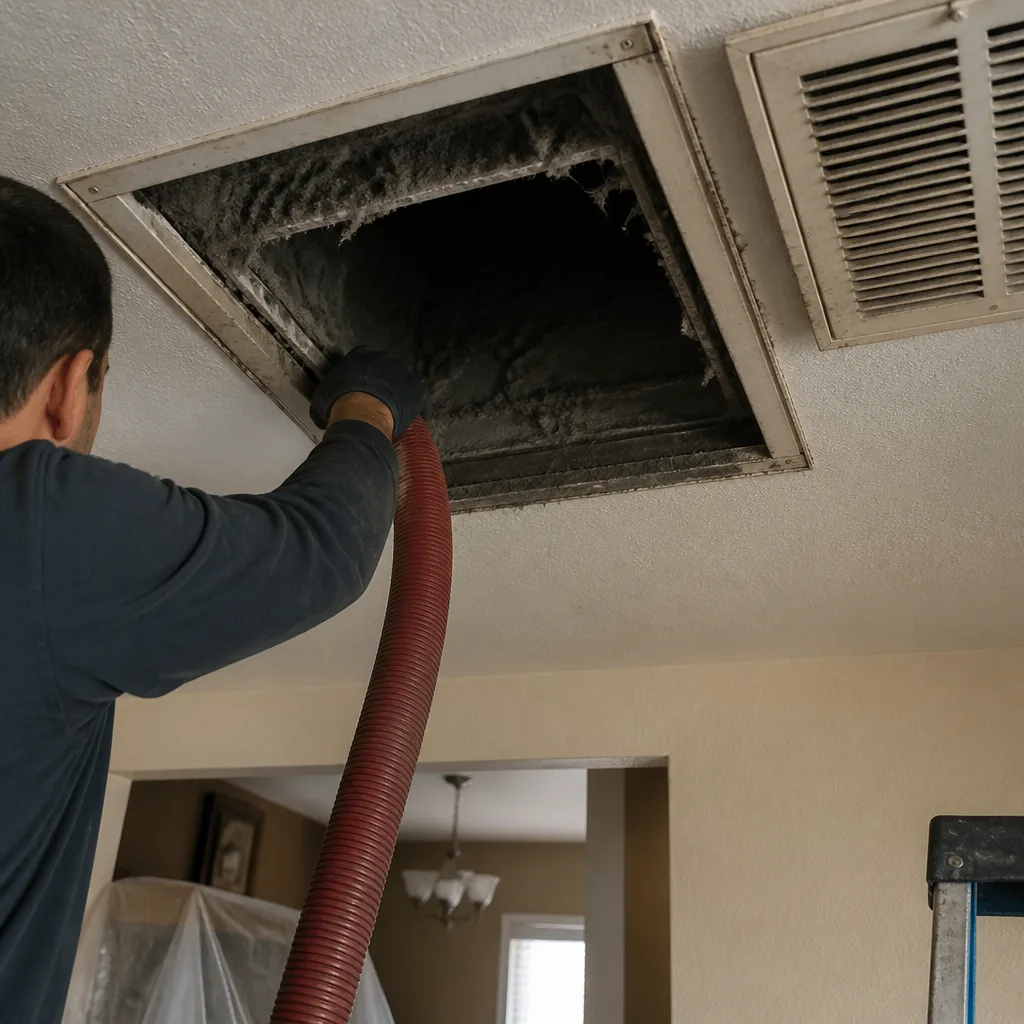 Before
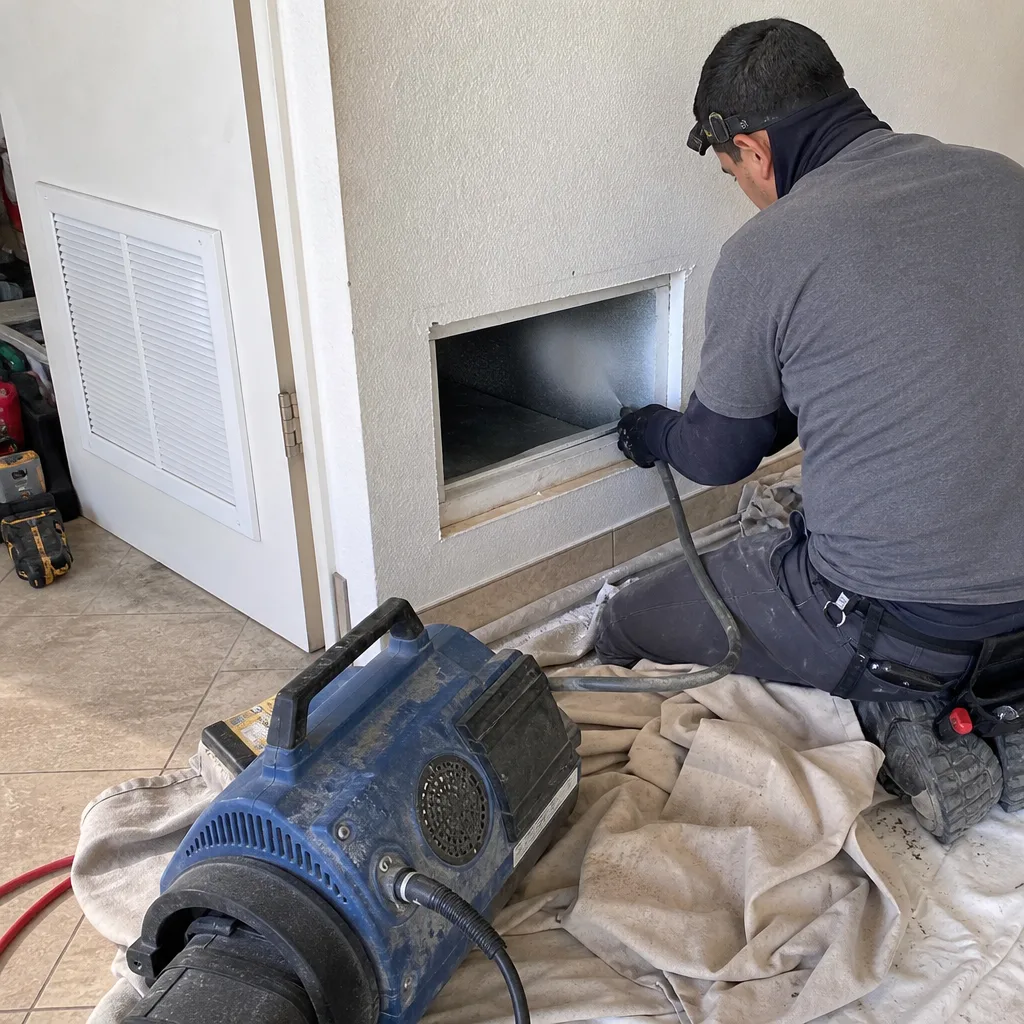 After
After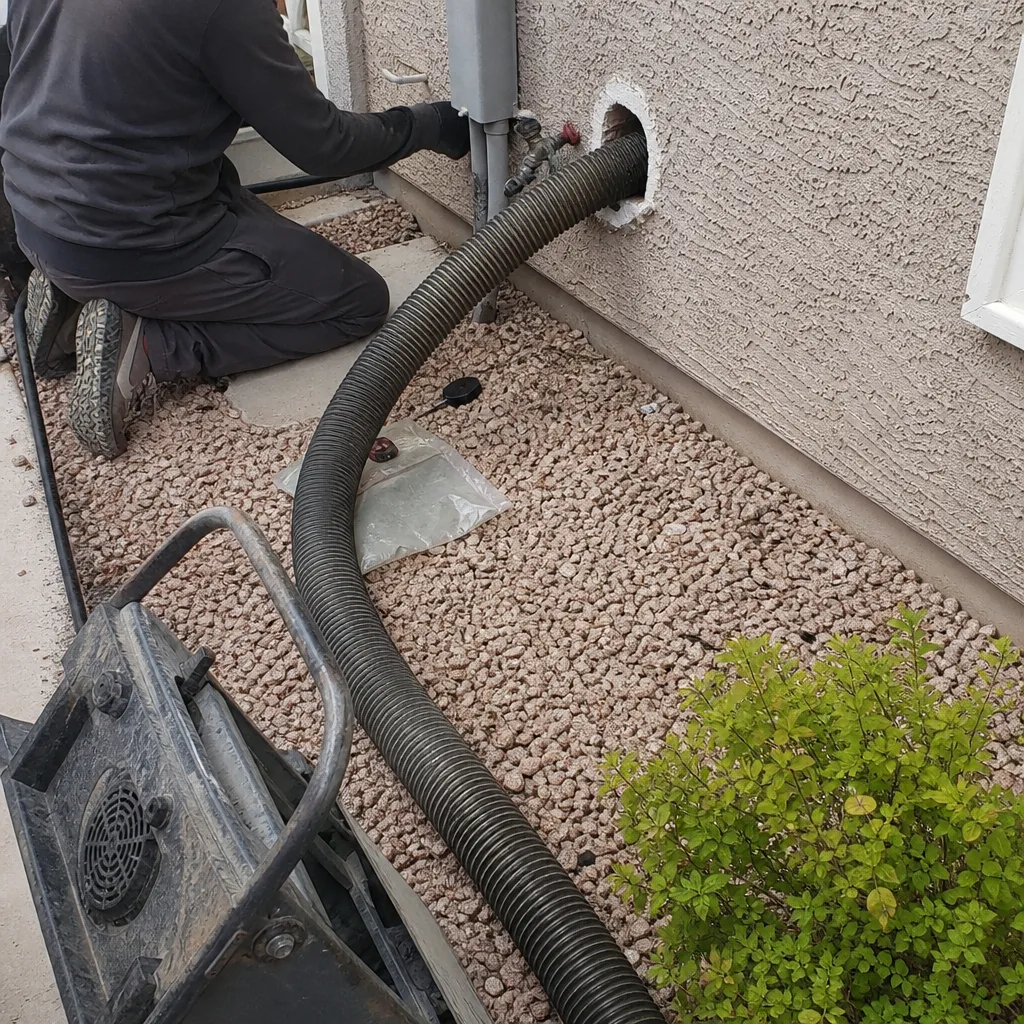 Before
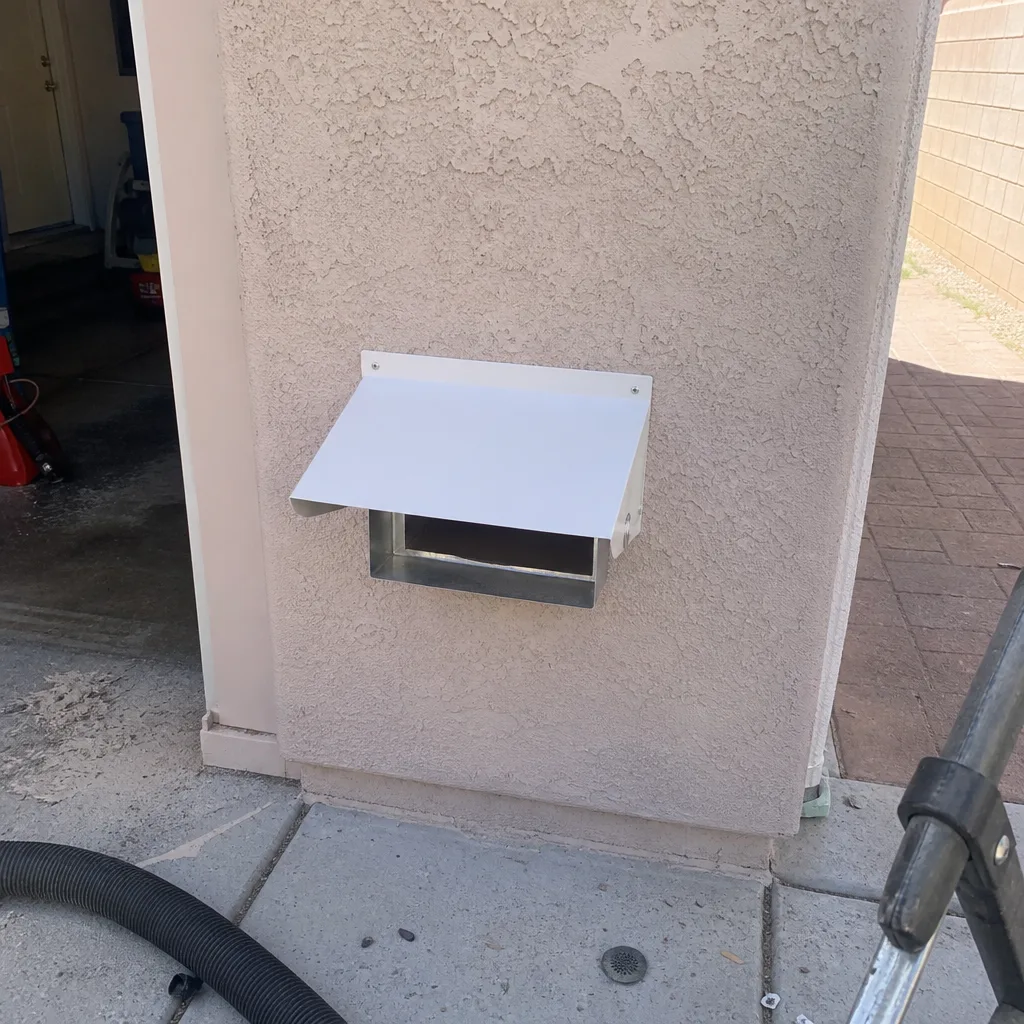 After
After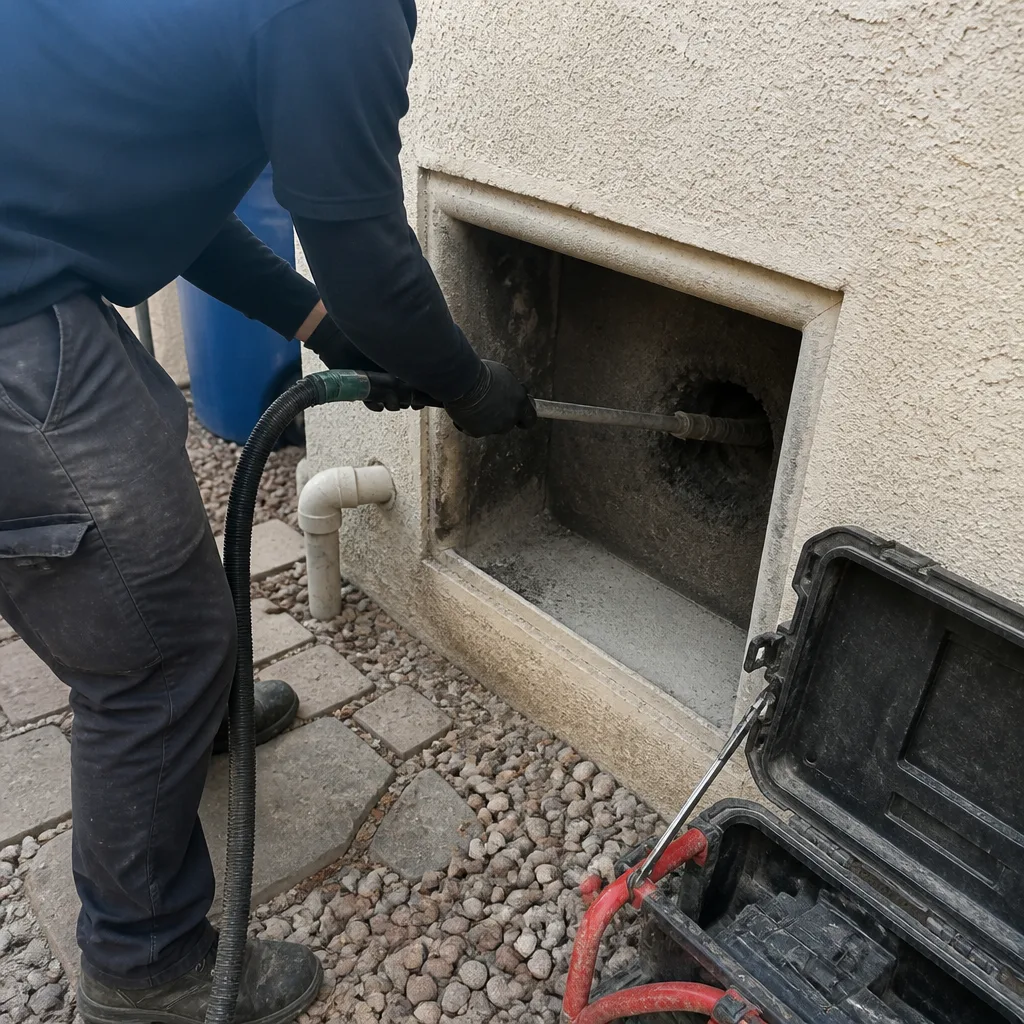 Before
 After
After