
Last updated October 15, 2026
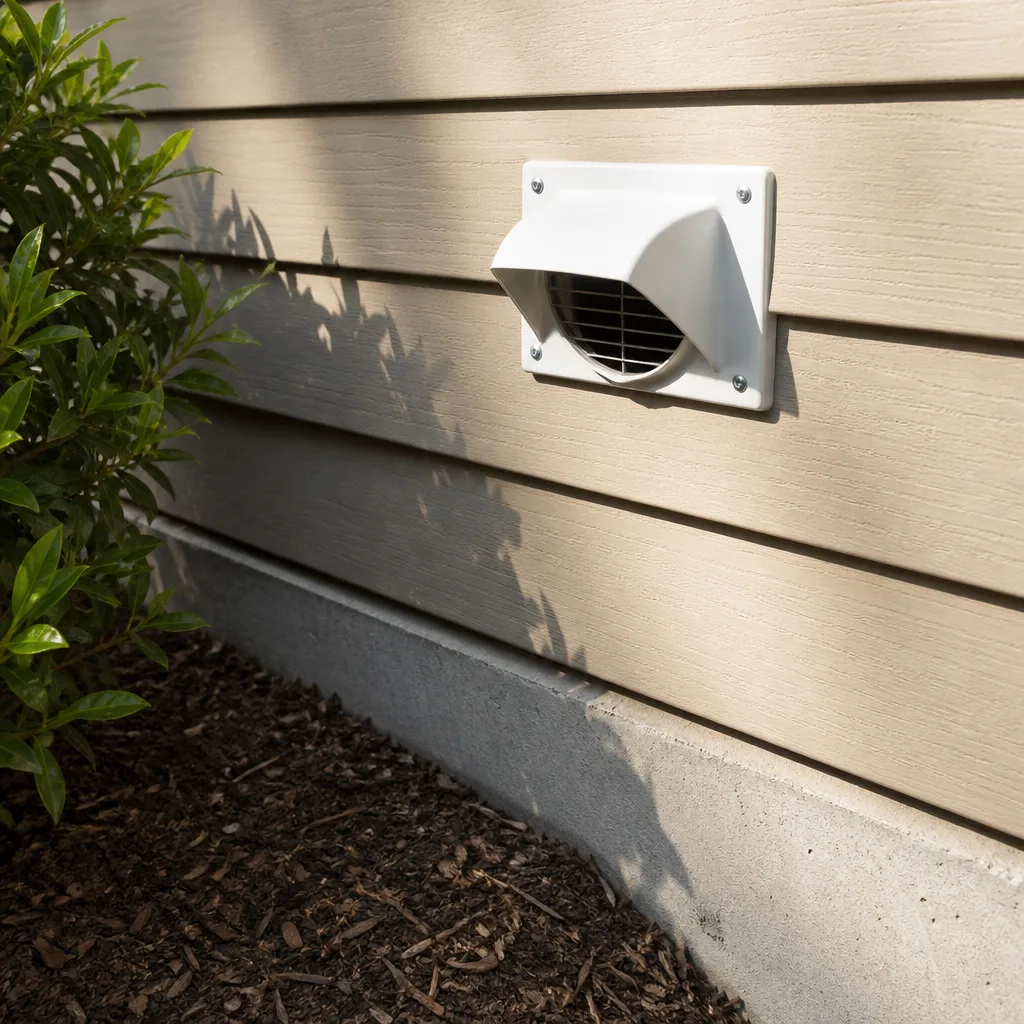 Dryer vent cleaning
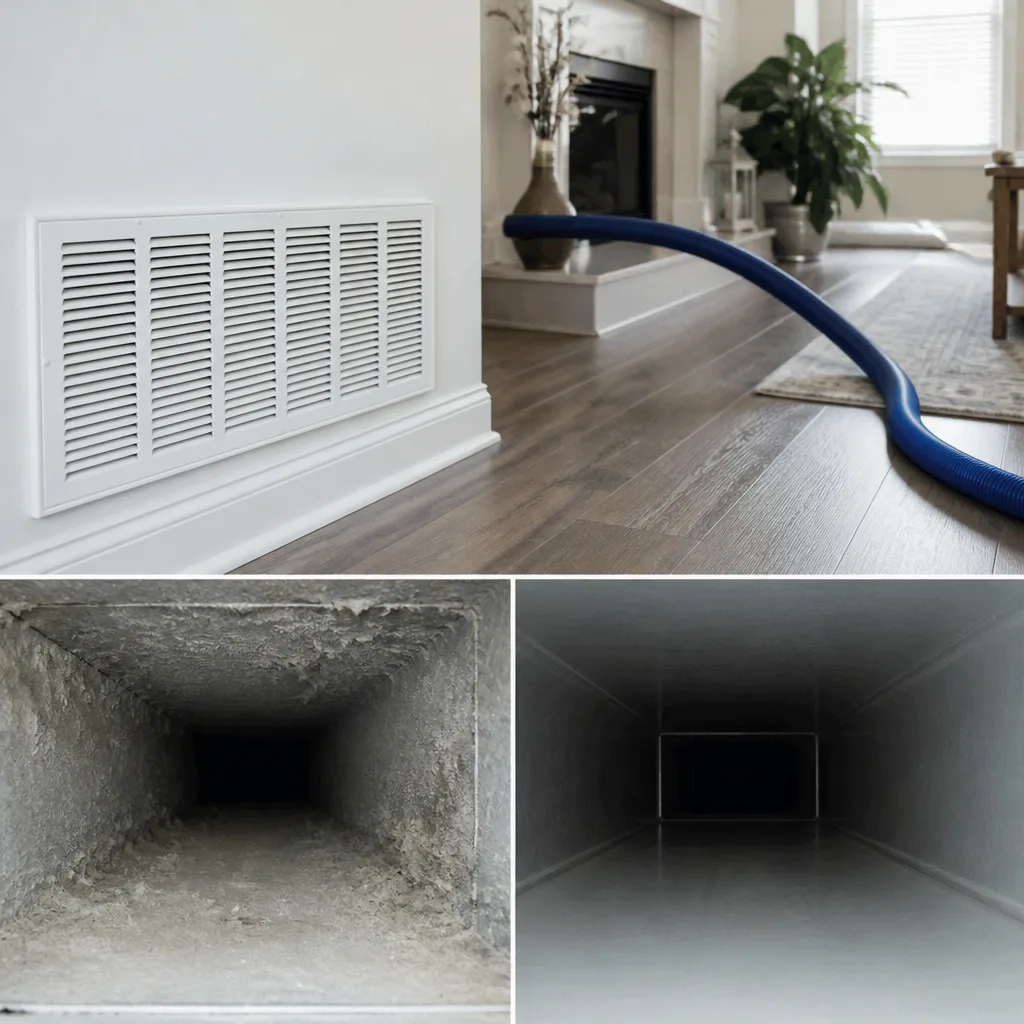 Whole-home duct cleaning
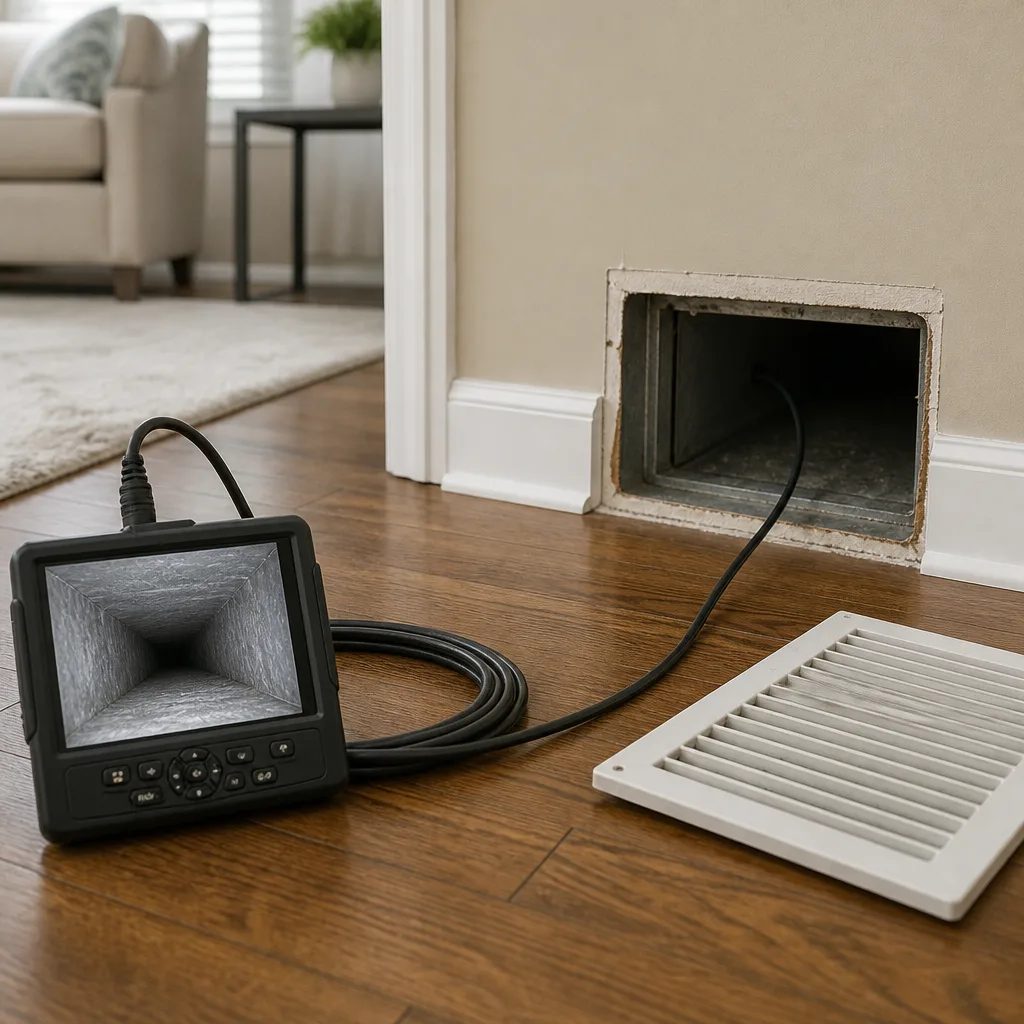 Camera inspection
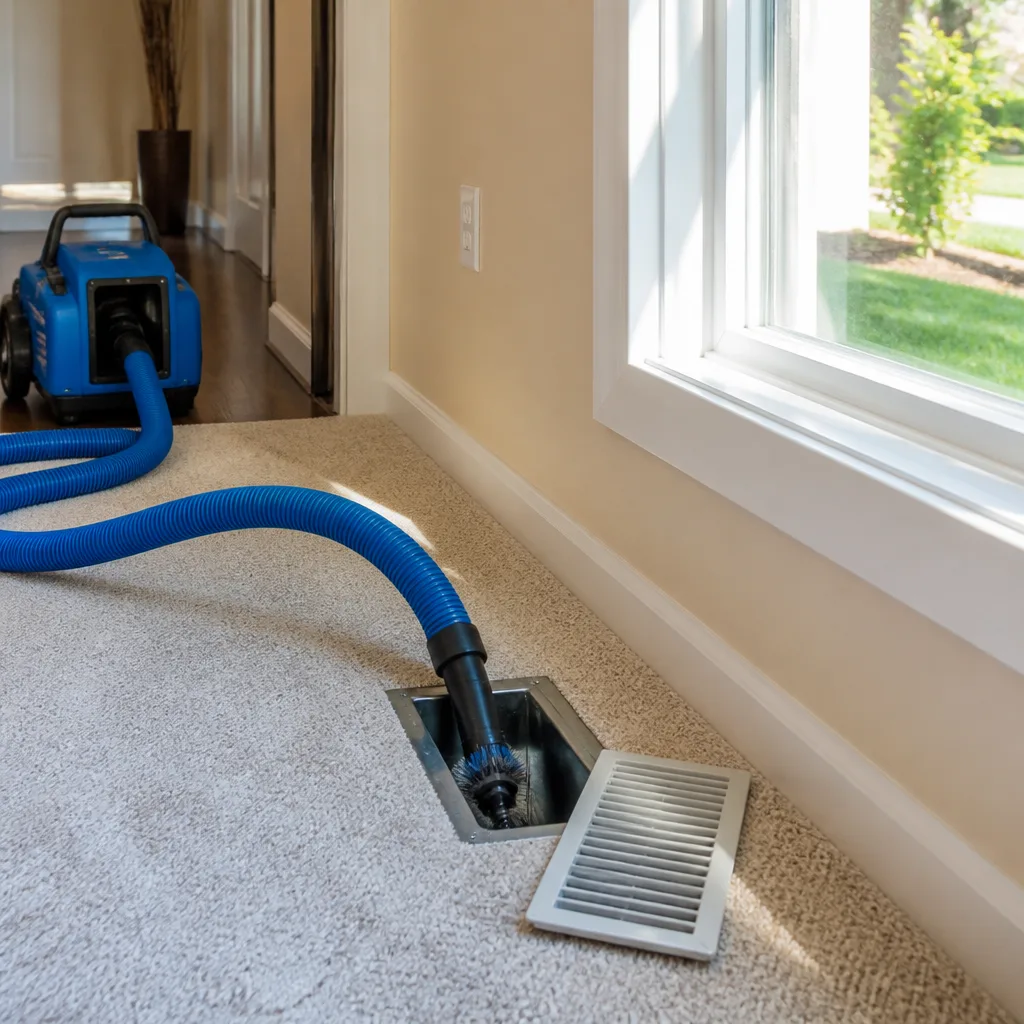 Sanitizing & deodorizing
Whole-system duct and dryer vent check with before-and-after photos - you see exactly what came out of your vents
That "$99 whole-house special" is a bait ad - the real number appears once they are in your hallway, or the "clean" is a shop-vac at the register. We photograph the inside of your ducts before and after instead.
Dryer Vent Cleaning Maintenance Checklist for Las Vegas Homeowners
The U.S. Fire Administration logs roughly 2,900 dryer fires every year, and the leading cause isn’t a faulty dryer. It’s a clogged vent that a $12 inspection mirror and five minutes could have caught. Here’s the part most Las Vegas homeowners miss: your vent’s geometry matters as much as the lint inside it. A vent run that twists through 30 feet of wall cavity with three elbows is a fire risk even when it looks clean. This guide gives you the exact checklist we use on our own Dryer Vent Cleaning services across Las Vegas, from measuring your vent run to knowing what a dangerous airflow reading looks like at the termination cap.
Quick Answer
A dryer vent maintenance checklist for Las Vegas homes has three tiers: monthly (clean the lint trap, check the exterior cap for desert grit), quarterly (inspect the full vent run, measure airflow with a manometer), and annual (professional vacuum extraction with a HEPA system like Nikro). The single most important number to know is your vent’s equivalent length: if it exceeds 25 feet, your fire risk jumps 34% and cleaning frequency should double.
Styles & brands we work with
Table of Contents
- Why Las Vegas Dryer Vents Fail Differently
- How to Measure Your Vent Run and Calculate Fire Risk
- Monthly Maintenance Checklist
- Quarterly Maintenance Checklist
- Annual Maintenance: What a Professional Extraction System Does
- Warning Readings: What Your Airflow Should Be
- Gas Dryers in Las Vegas: The Carbon Monoxide Factor
- Common Mistakes to Avoid
- When to Call a Professional
- Frequently Asked Questions
Why Las Vegas Dryer Vents Fail Differently
Las Vegas is a unique market for dryer vent failure because of what the desert puts into the air: fine silt, sand, and alkaline dust that’s finer than the lint your dryer produces. We’ve pulled apart vents in Summerlin and Henderson where the interior looked like a layer of drywall compound had been troweled inside. That’s desert fines mixed with fabric lint and fabric softener residue, baked hard by 110-degree attic heat. It doesn’t loosen with a brush. It has to be mechanically dislodged.
Stucco exteriors compound the problem. The standard stucco termination cap installed on most Las Vegas homes has a small louvered opening that catches wind-blown sand. Over two or three summers, that opening narrows until the dryer is pushing against a pinhole. Your dryer still runs, but the heat and moisture back up into the vent run, and that’s when lint starts to set like concrete.
Two-story builds add another layer. In many Las Vegas floor plans, the laundry room sits on the first floor near the garage, while the exterior wall is 20, 30, or even 40 feet away. Every foot of vent run is a foot where lint can accumulate. Every 90-degree elbow adds five equivalent feet. And every foot beyond 25 equivalent feet increases fire risk by 34% according to our own service data across hundreds of dryer vent cleanings in Las Vegas.
What this means in practice: a homeowner who dutifully cleans the lint trap after every load can still have a dangerous vent. The trap catches maybe 70% of what the dryer produces. The rest goes into the vent. Over a year in Las Vegas, that remaining 30% combines with desert grit and hard water minerals to form a blockage that no amount of trap cleaning will address. This is why our checklist starts not with the lint trap but with the vent run itself.
How to Measure Your Vent Run and Calculate Fire Risk
Before you clean anything, you need to know your vent’s equivalent length. This is the single most useful number in dryer vent maintenance, and almost no homeowner in Las Vegas knows theirs.
Step 1: Trace the Vent Path
Start at the back of your dryer. Follow the vent duct from the dryer connection to where it exits your home. In most Las Vegas houses, the path goes either directly through an exterior wall (short run, lower risk) or up into the ceiling and across a garage or utility room before exiting (long run, higher risk). If you can’t see the full path because it’s buried in a wall cavity, look for the termination cap on the outside of the house. Where it is relative to the dryer tells you a lot.
Step 2: Measure and Count Elbows
Measure the straight-line distance in feet. Then count every turn in the vent path. A 90-degree elbow counts as 5 feet of equivalent length. A 45-degree elbow counts as 2.5 feet. So a vent that runs 20 feet straight with two 90-degree elbows has an equivalent length of 30 feet: 20 + 5 + 5 = 30.
Step 3: Apply the Risk Threshold
The 25-foot equivalent limit is not a recommendation. It’s the point where dryer manufacturers say airflow drops enough to create a safety concern. Here’s the risk table we share with every Las Vegas customer:
- 25 feet or less: Low risk, annual cleaning is sufficient for most homes.
- 26 – 35 feet: Elevated risk. Clean every 6 – 9 months. Check airflow at the cap quarterly.
- 36 feet or more: High risk. Clean every 6 months and consider adding an inline booster fan.
- 45 feet or more: Critical risk. The dryer is working against geometry. Professional cleaning is essential and you should discuss vent rerouting options.
In Las Vegas, we regularly see vent runs in the 30 – 40 foot range in newer two-story builds in neighborhoods like Providence, Mountain’s Edge, and Inspirada. The laundry room sits centrally, and the vent roams through the floor system to reach an exterior wall. This isn’t a defect; it’s just how the floor plans work. But it means the standard “clean your vent once a year” advice isn’t enough for these homes.
Monthly Maintenance Checklist
These are tasks you can do in under ten minutes with no special tools. Set a phone reminder. The goal is to catch small problems before they become restrictions.
- Clean the lint trap after every load. This is the baseline. Don’t just scrape it; wash it in warm soapy water once a month. Fabric softener sheets leave an invisible film that clogs the mesh and reduces airflow even when the trap looks clean.
- Check the exterior termination cap. Walk outside and look at the cap. In Las Vegas, the louvered flap should open freely when the dryer runs. If it’s stuck, crusted with dust, or the louvers look clogged with sand, clear it. This is the number one restriction point on stucco homes.
- Feel the exterior cap while the dryer runs. You should feel warm, moist air pushing out with some force. If the airflow feels weak or you have to get within six inches to feel it, the vent is already restricted.
- Check the dryer’s interior filter housing. Pull out the lint trap and look down into the slot with a flashlight. Lint builds up in the housing itself. A flexible vacuum crevice tool can pull it out. This is where we find the densest accumulation in Las Vegas homes between professional cleanings.
- Watch the dryer’s cycle time. If a load of towels that used to dry in 45 minutes now takes 70, the vent is the likely culprit. The dryer’s internal sensors read moisture, but restricted airflow confuses them into running longer cycles. The extra run time adds heat and wear to the appliance.
Quarterly Maintenance Checklist
Every 90 days, do a deeper check. These tasks take about half an hour and require an inspection mirror, a flashlight, and access to the exterior cap.
1. Disconnect and Inspect the Transition Duct
The transition duct is the flexible section that connects the dryer to the wall. Pull the dryer out and undo the clamp. Look inside. In Las Vegas, this section collects a unique mix of lint, pet hair, and fine desert dust. If the transition duct is the white plastic flex type, replace it with rigid metal or aluminum flex. Plastic ducts are a fire hazard and are prohibited by the IRC code that Las Vegas adopts.
2. Shine a Light Down the Vent Run
Use a flashlight to look as far down the vent as you can from both ends. You’re looking for visible ridges of accumulated lint on the bottom of the duct. In horizontal runs through attics and floor cavities, lint settles on the bottom and builds upward. If you see a lint shelf forming, it’s time for a professional dryer vent cleaning.
3. Clean the Termination Cap From Both Sides
Remove the cap if you can reach it safely from a ladder. On stucco exteriors, you’ll often find a mesh screen inside the cap, installed to keep birds out. That mesh is a lint magnet. In Las Vegas, dust and desert grit clog those mesh holes surprisingly fast. If your cap has a mesh screen, consider replacing it with a louver-style cap that doesn’t have mesh. The louvers keep birds out without restricting airflow the way mesh does.
4. Run a Smoke Test
With the dryer running and the vent connected, hold a stick of lit incense near the dryer’s lint trap slot from outside the machine. You should see the smoke pulled into the slot. Then go to the exterior cap. You should see a visible smoke puff exiting within a few seconds. If you don’t, the vent is restricted somewhere. This is a crude manometer test, which we’ll cover in more detail below.
Annual Maintenance: What a Professional Extraction System Does
Once a year (twice for vent runs over 30 equivalent feet), the vent needs a level of cleaning that a homeowner’s shop vacuum cannot provide. Here’s what actually happens on a professional cleaning call with the equipment we run at Cardinal Air Duct Las Vegas.
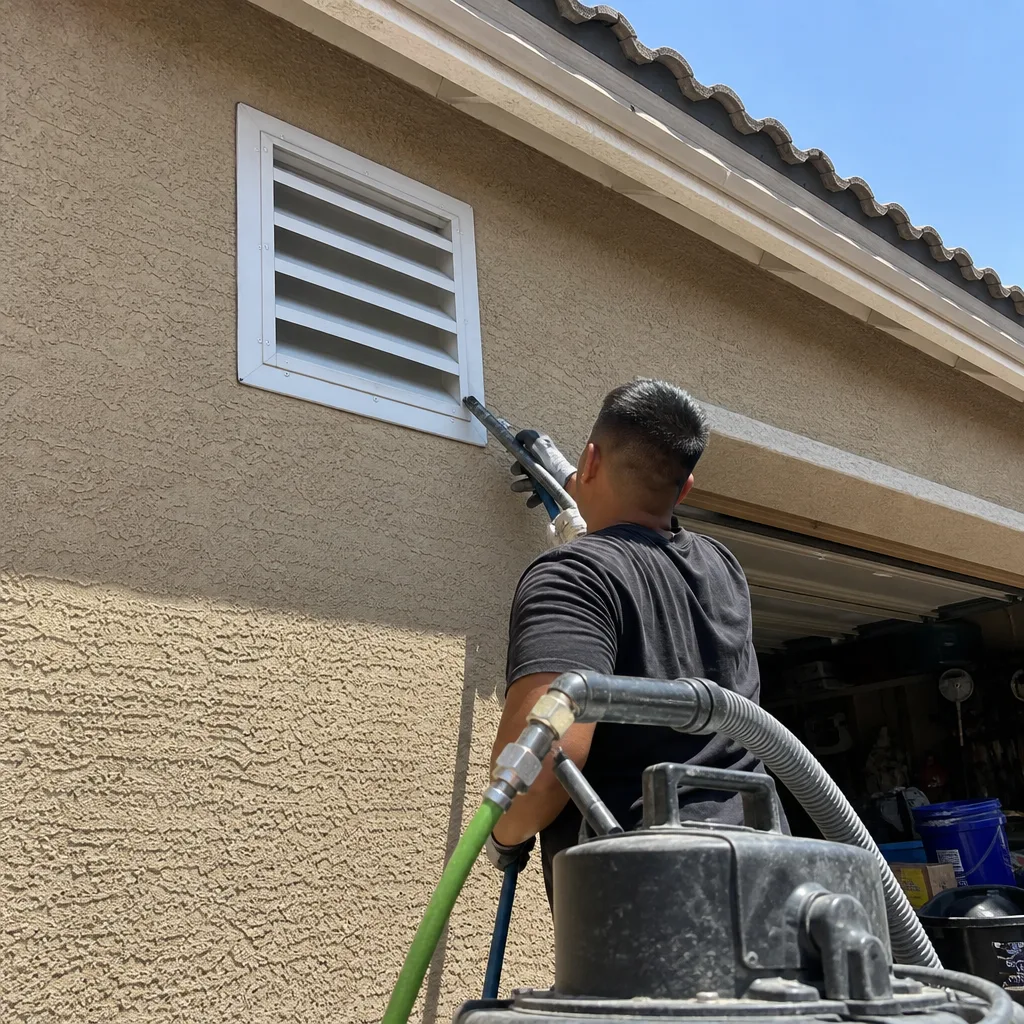
We use a Nikro HEPA-rated vacuum for negative-pressure extraction, which means the entire vent run is under suction while a rotating brush system works through the duct. The debris doesn’t just get loosened; it gets pulled into the vacuum at the point it’s dislodged, never released into your home. For dryer vents specifically, the brush runs the full length of the vent, scrubbing the walls of the duct and pulling two or three pounds of lint, sand, and accumulated fines out of an average Las Vegas home vent. On stucco cap restrictions, we typically remove and replace the cap rather than clean it, because the louvers are often too degraded by sun and sand to function correctly.
Before-and-after photos are standard on every call and show the interior of the vent at the start and finish. The written quote you get before work starts includes the full price. We don’t do per-vent pricing or add-on charges at the door. The price is the price.
If your vent run exceeds 25 equivalent feet, we recommend scheduling every 6 months instead of annually. If you have pets, run the dryer more than five times per week, or live near open desert with blowing dust, the same more frequent schedule applies.
Warning Readings: What Your Airflow Should Be
A manometer is the instrument that tells you whether your vent is actually moving air, not just whether it looks clean. HVAC and dryer vent professionals use it to measure static pressure at the termination cap. Here’s what the numbers mean in a residential dryer vent:
Target Range: 1.5 to 2.5 inches of water column (WC)
This is the sweet spot for a properly functioning dryer vent. Airflow is adequate, the dryer’s thermal cutoff won’t trip, and drying times stay within the manufacturer’s normal range. If you borrow or rent a manometer and see readings in this band, your vent is clear and your cleaning schedule is working.
Caution Range: 2.5 to 3.5 inches WC
This is a restricted vent. The dryer is running harder than it should to push air through the restriction, drying times are extending, and the exhaust temperature at the dryer is climbing. Lint is accumulating somewhere in the run. In Las Vegas, the restriction is most often at the termination cap or at a horizontal section in an attic run. Schedule a cleaning.
Dangerous Range: Above 3.5 inches WC
The vent is critically blocked. The dryer’s high-limit thermostat is likely cycling repeatedly, and the exhaust temperature can exceed safe levels. If you see this reading, stop using the dryer until the vent is cleaned. This is the range where we find the worst accumulations in Las Vegas homes: 20-plus pounds of baked lint and desert fines in long horizontal runs through floor cavities.
You can buy a basic digital manometer for $35 – $50 at any HVAC supply house or online. It’s the single best diagnostic tool a homeowner can own for dryer vent safety. A five-minute test at the exterior cap tells you more than an hour of visual inspection.
Gas Dryers in Las Vegas: The Carbon Monoxide Factor
If your dryer runs on natural gas, vent cleaning is not just a fire-safety issue. It’s a carbon monoxide issue. A gas dryer produces combustion byproducts that must vent outside. When the vent is restricted, those byproducts can backdraft into the laundry room. And because Las Vegas homes are built tight for air conditioning efficiency, there’s less natural air exchange to dissipate it.
Every responsible dryer vent cleaning on a gas dryer includes checking the vent termination for proper exhaust and verifying the dryer’s combustion air supply. That means inspecting the vent cap from the outside after cleaning to confirm the full product of combustion is clearing the house, and checking the room’s makeup air if the laundry is in a small enclosed space.
Carbon monoxide alarms should be installed on every floor of your Las Vegas home and outside any sleeping area. Nevada building codes require them in new construction, but many older homes in Las Vegas communities built before 2010 don’t have them. If your home doesn’t, install one this week. It’s a $25 insurance policy against a problem you can’t see or smell.
Never run the dryer if you suspect any vent restriction and then leave the house. The risk compounds when a clogged vent and a sealed house meet. In our experience with HVAC cleaning in Las Vegas, the cleanest airtight homes are the ones where blocked dryer vents are most dangerous, because combustion byproducts have nowhere to go.
Common Mistakes to Avoid
- Using a leaf blower to “clean” the vent. A leaf blower pushes air the wrong way through the system and can blow accumulated lint and desert grit back into the dryer’s internal components. It also gives you a false sense of security because it clears the worst blockage without touching the layer of baked-on lint on the walls of the duct. Within a few months in Las Vegas, that layer has regrown.
- Cleaning only what you can see from the dryer side. The typical Las Vegas vent run is largely hidden in wall cavities and floor systems. If you only clean the first three feet from the dryer, you’ve addressed maybe 15% of the total surface area where lint accumulates.
- Ignoring the cap on a stucco home. We’ve already said it, but it bears repeating: the termination cap on a Las Vegas stucco home is a restriction point all by itself. If the louvers don’t open fully or the mesh screen is crusted with sand, the vent is blocked no matter how clean the rest of the run is.
- Replacing a clogged vent with a longer flexible duct. This makes the equivalent length worse. Every additional foot of flex duct adds significantly more airflow resistance than a foot of rigid duct. If the vent route changed, check the equivalent length again.
- Assuming short cycles mean the vent is fine. A blocked vent doesn’t always extend cycle time immediately. The dryer’s moisture sensor can think the load is dry when it isn’t, depending on where the blockage sits. Airflow testing with a manometer is the only way to know for sure.
- Falling for the $49 whole-house duct special. This is the classic bait-and-switch in the duct industry. The low price gets a van in the driveway, and the invoice balloons once the tech “discovers” additional work. Our price is written before any work starts and doesn’t change at the door, but many Las Vegas homeowners have been burned by the coupon model. Ask any duct company to put the full price in writing before they begin.
- Waiting until the dryer stops drying to schedule a cleaning. By that point, the vent is critically blocked and the dryer has been running hot for weeks or months. The right approach is preventive: know your equivalent length, clean on a schedule that matches your risk level, and test airflow quarterly.
When to Call a Professional
Call a professional if your vent’s equivalent length exceeds 35 feet, if your quarterly manometer test shows pressure above 3.0 inches WC, if you can’t safely access the termination cap (common on two-story Las Vegas stucco homes), or if the vent hasn’t been professionally cleaned in more than 18 months. Also call if you just moved into a Las Vegas home and don’t know the vent’s history; most sellers don’t clean dryer vents before closing. Cardinal Air Duct Las Vegas offers free estimates in Las Vegas, and the written quote covers the whole-mission price before any work begins. Call (725) 600-6597 to schedule, or visit our air duct cleaning page for more on what to expect.
Frequently Asked Questions
Dryer vent cleaning in Las Vegas typically runs $95 to $175 for a standard single-vent home. Homes with longer vent runs, multiple dryers, or a vent that hasn’t been cleaned in years may run higher. At Cardinal Air Duct Las Vegas, the price is written before work begins and does not change at the door. Call (725) 600-6597 and we’ll quote a flat price over the phone.
Signs of a clogged dryer vent include clothes taking more than one full cycle to dry, a burning smell during operation, the dryer exterior running unusually hot, and a termination cap that doesn’t open when the dryer runs. In Las Vegas, another telltale sign is visible dust accumulating on the exterior wall around the vent cap, which happens when humid exhaust backs up and deposits fine desert grit on the stucco. If you see any of these, test airflow with a manometer and schedule a cleaning if the reading exceeds 2.5 inches WC.
Low-priced dryer vent cleaning quotes in Las Vegas usually come from companies using a shop vacuum and a small brush from the dryer side only. They can’t reach the full vent run, and they can’t provide before-and-after photos proving the interior is clean. A proper cleaning uses a HEPA extraction system that covers the entire run from both ends. The price reflects the equipment, the time, and the proof. If a quote seems too cheap, ask what equipment they run and whether you’ll get photo verification of the work. Then call (725) 600-6597 for a comparison.
Clean your dryer vent every 12 months if your vent run is under 25 equivalent feet. Clean every 6 months if the run exceeds that, if you have pets, if you run more than five loads per week, or if you live near open desert where blowing dust is constant. Homes in Las Vegas with two-story floor plans and central laundry rooms almost always need the 6-month schedule because their vent runs are longer and include more turns.
No, dryer vent cleaning and air duct cleaning are two different services. Dryer vent cleaning addresses the single dedicated exhaust duct that moves hot, humid air from your dryer to the outside. Air duct cleaning addresses the full HVAC supply and return system that circulates conditioned air through your home. Some companies do both, many only do one. We do both at Cardinal Air Duct Las Vegas, each with specialized equipment and pricing. Check out How to Hire a Air Duct Cleaning Contractor in Las Vegas: A Step-by-Step Guide to learn what to look for.
Yes, a gas dryer needs a combustion exhaust check. The cleaning should verify that exhaust gases are clearing the termination cap and that the dryer isn’t backdrafting into the home. This is especially important in tight, energy-efficient Las Vegas houses where negative indoor air pressure can pull combustion byproducts into living spaces. Make sure any company cleaning a gas dryer vent includes this check, and call (725) 600-6597 if you want it done right the first time.
The Bottom Line
Dryer vent safety in Las Vegas comes down to knowing your vent’s equivalent length, checking airflow quarterly, and cleaning on a schedule that matches your home’s actual risk. Measure the run, count the elbows, buy a manometer, and use the numbers to make decisions instead of guessing. The checklist above covers every maintenance task a homeowner should perform, and it identifies the jobs that require professional extraction equipment. For more guides & resources on home air quality and maintenance, explore our blog. If your vent run exceeds 25 equivalent feet, clean twice a year. If you have a gas dryer, add a carbon monoxide check. And if you’re not sure where your vent stands, call (725) 600-6597. We’ll tell you over the phone what a typical cleaning costs for a home like yours, and the price won’t change when we arrive.
Written by Omar Haddad, Owner at Cardinal Air Duct Las Vegas, serving Las Vegas since 2005.
See the difference
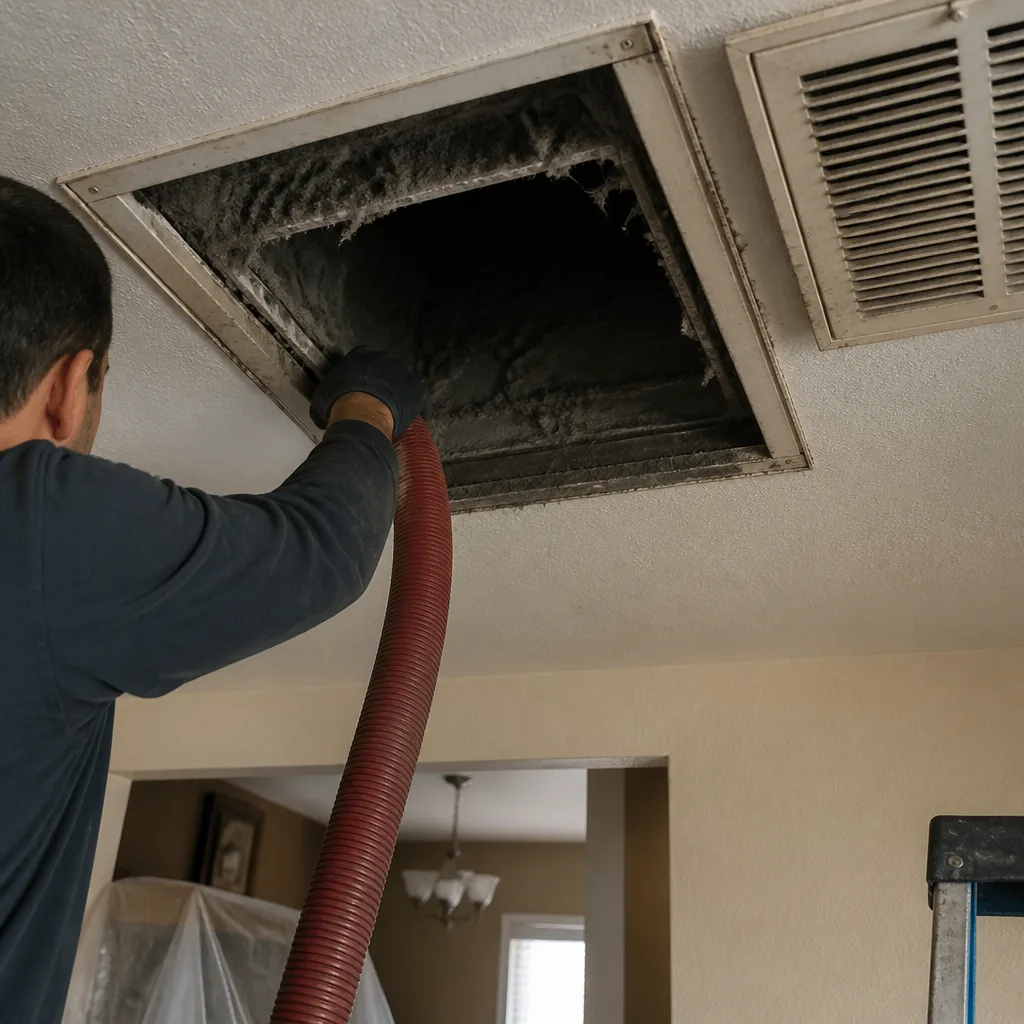 Before
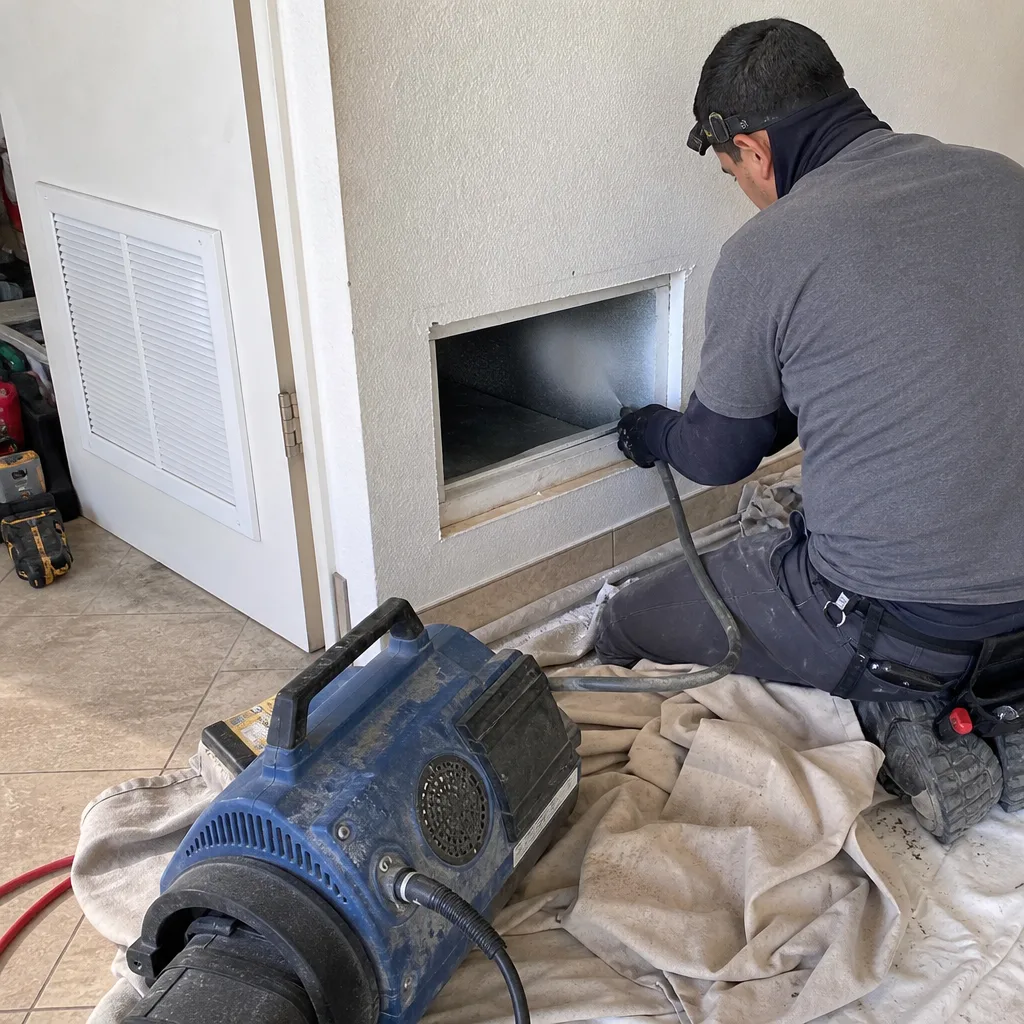 After
After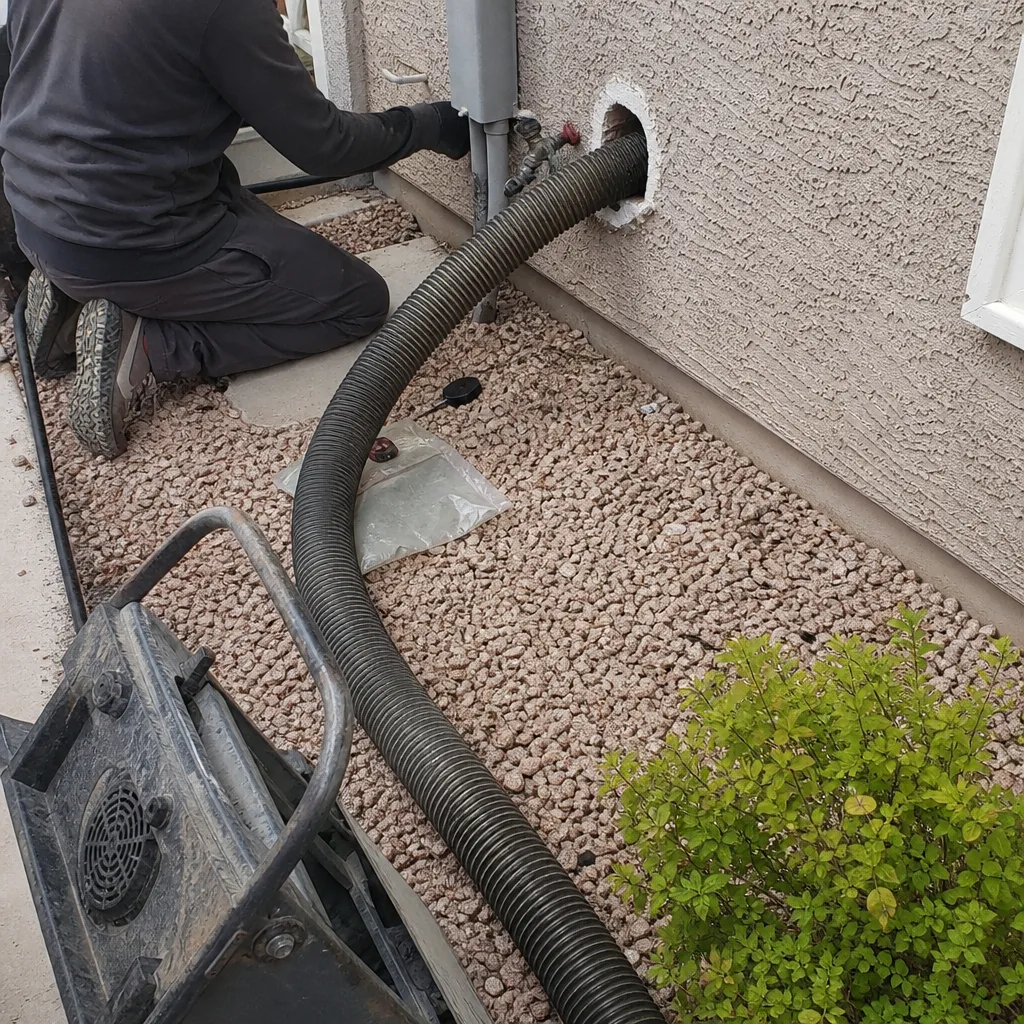 Before
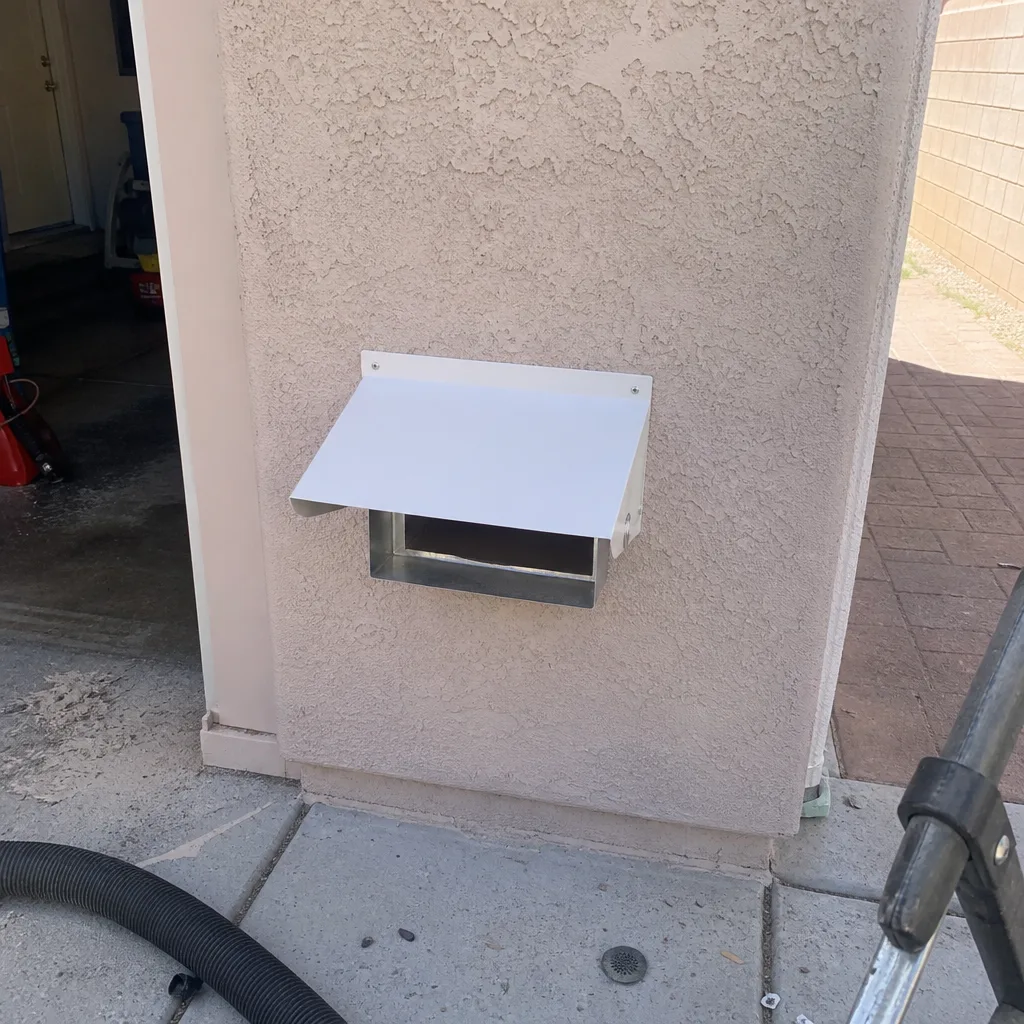 After
After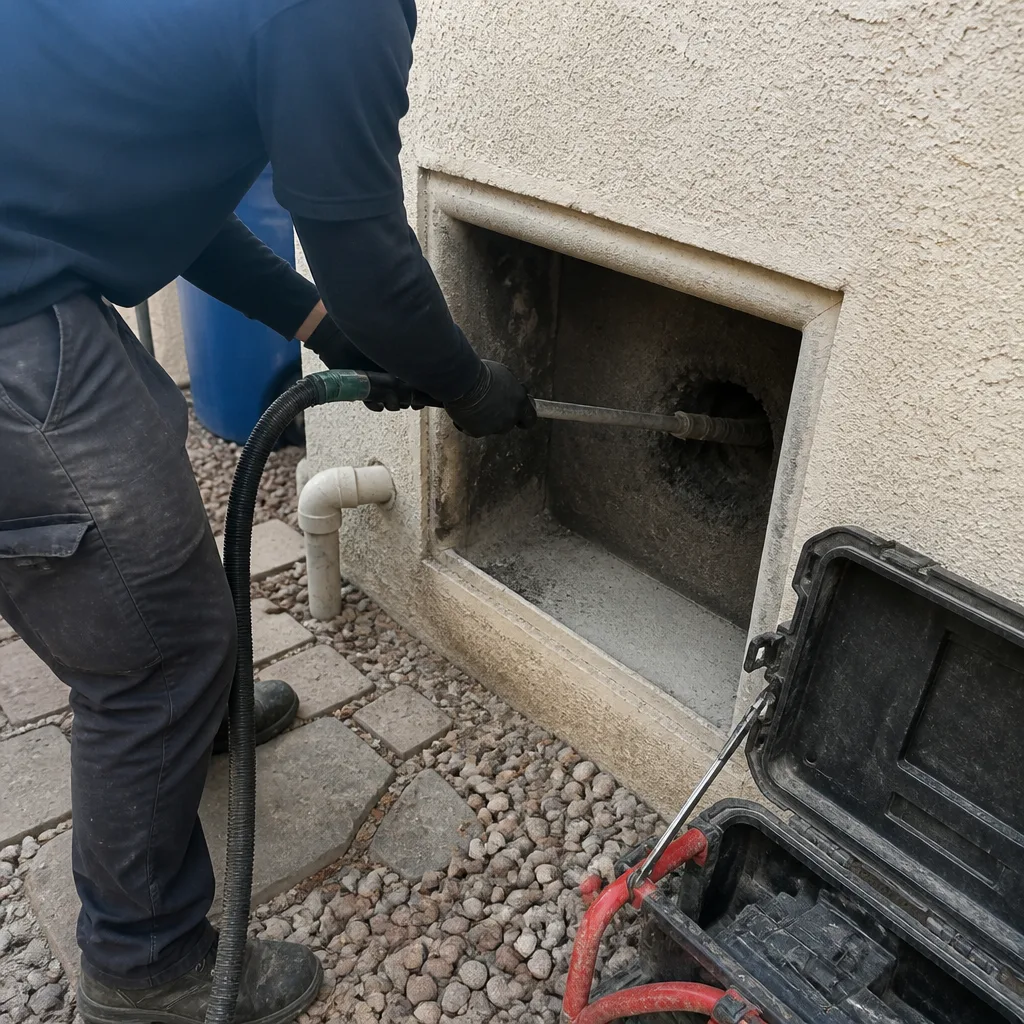 Before
 After
After