
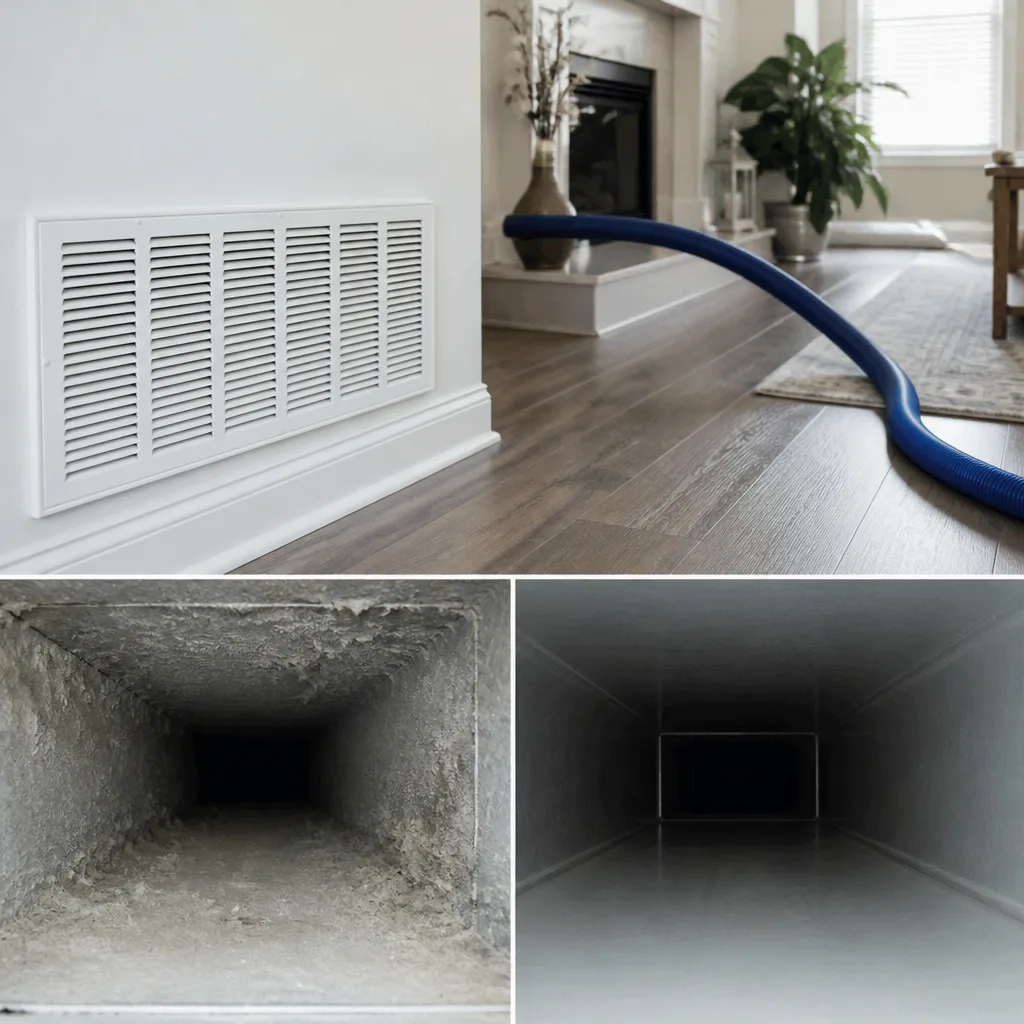
 Whole-home duct cleaning
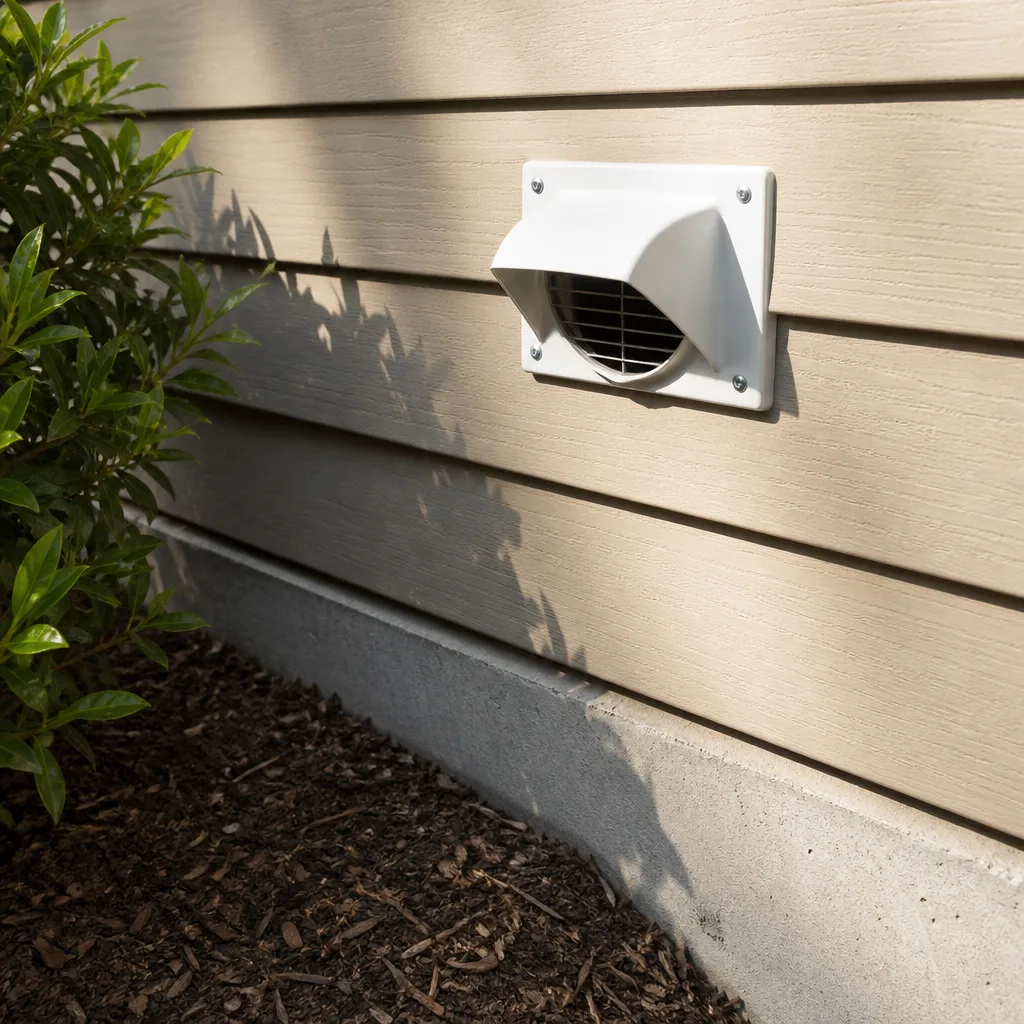 Dryer vent cleaning
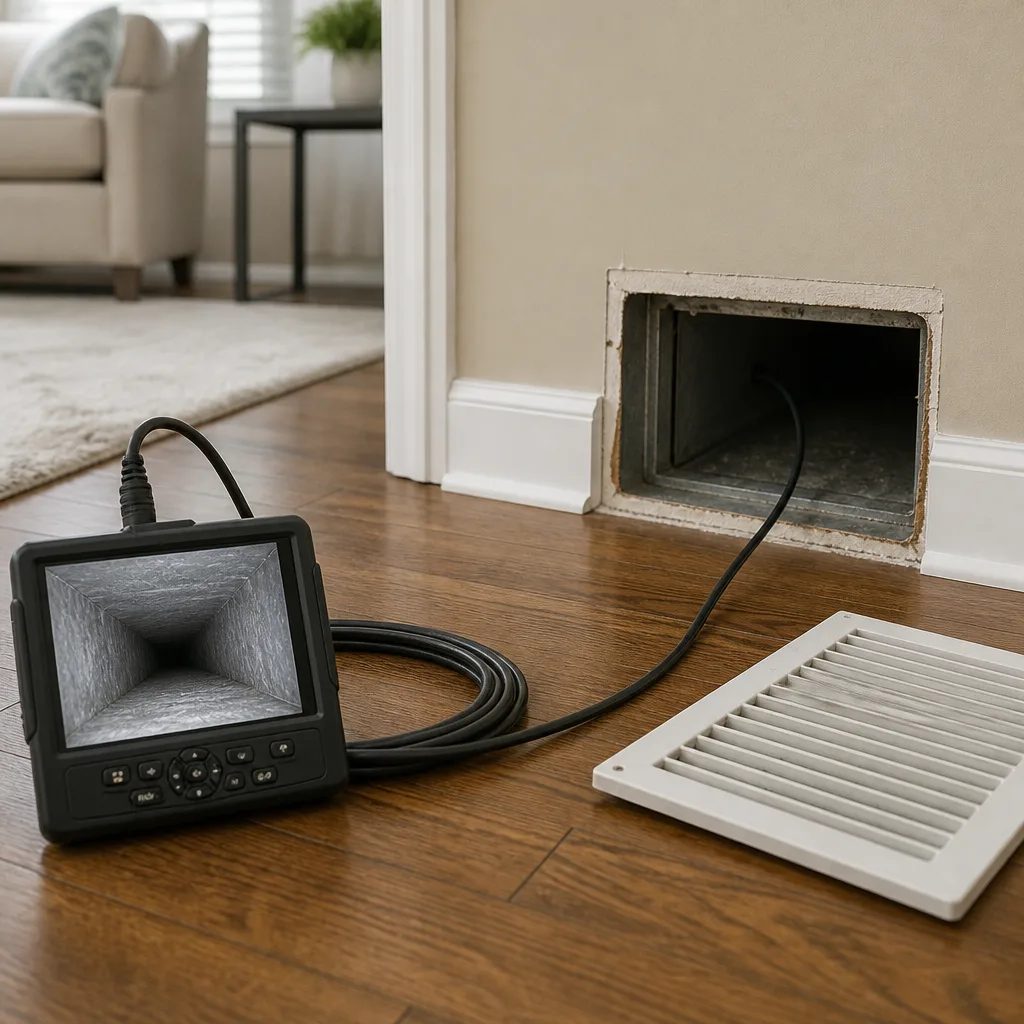 Camera inspection
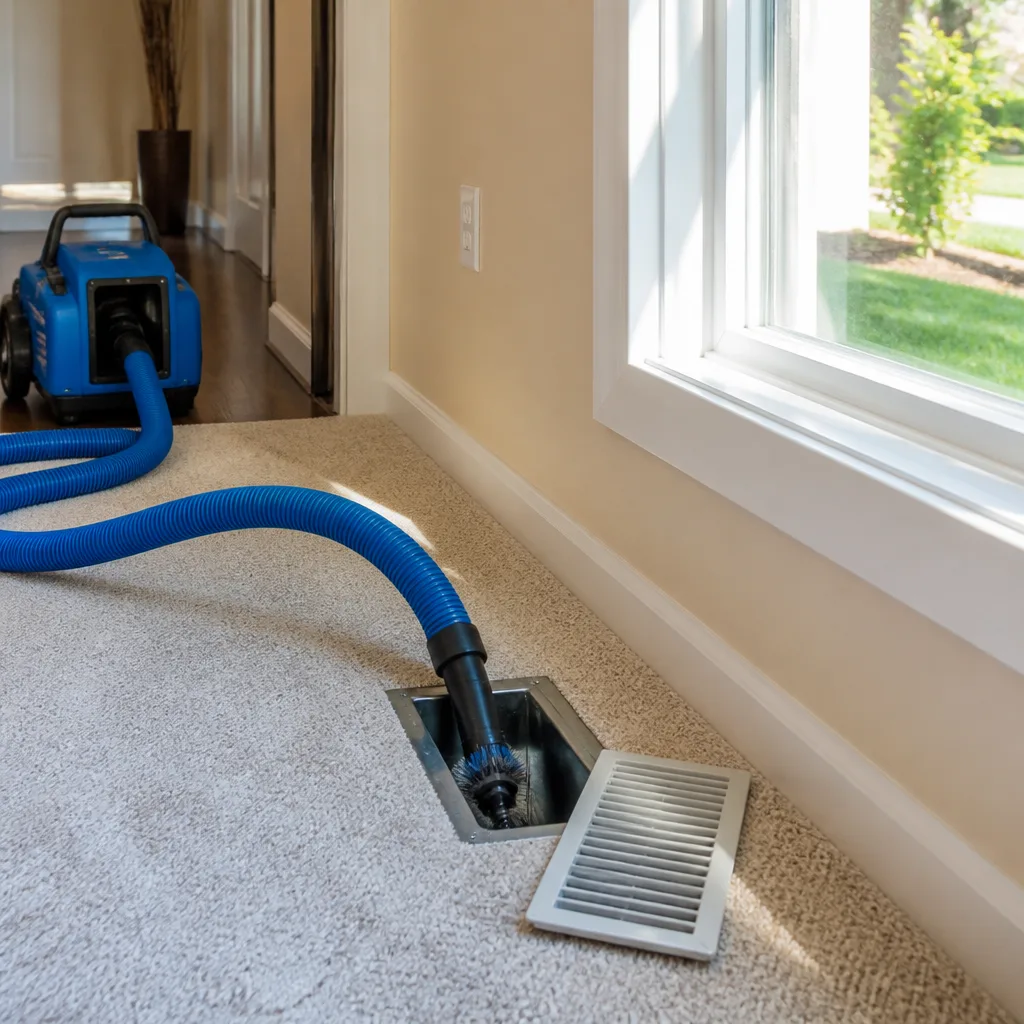 Sanitizing & deodorizing
Whole-system duct and dryer vent check with before-and-after photos - you see exactly what came out of your vents
That "$99 whole-house special" is a bait ad - the real number appears once they are in your hallway, or the "clean" is a shop-vac at the register. We photograph the inside of your ducts before and after instead.
Nikro Register & Grille Cleaning: The Las Vegas Owner’s Guide
We stock and install Nikro-compatible register and grille cleaning components, with most register and grille restoration jobs in Las Vegas running between $85 and $220 per system when bundled with a full duct cleaning, or $150 to $300 as a standalone service. The part itself typically costs $25 to $75 depending on your Nikro model’s specific size configuration. Most Las Vegas homeowners discover there’s a problem when airflow at specific vents drops noticeably, or when cleaning equipment won’t seat properly against a register that’s warped, cracked, or gunked shut after years of desert dust and AC runtime.
If you’re holding a Nikro product and a register or grille that’s not performing, you’re in the right place. Here’s what actually fails, what it costs to fix, and how we handle it on the truck.
Which Nikro Models This Applies To
Nikro builds register and grille cleaning tools across their HEPA vacuum and negative-air lineups. The parts we most commonly replace span the Nikro HEPA-filtered portable vacuums and their duct-cleaning accessory kits, but the register and grille cleaning attachments share a universal thread across several series, which makes identification simpler than people expect. The key check is the connection collar diameter: Nikro register tools generally seat onto a 1.5-inch or 2-inch vacuum hose cuff. If you’ve got a Nikro system purchased in the last 10 to 12 years, there’s a strong chance your register tool uses the standard 2-inch cuff.
That said, there’s one compatibility gotcha worth knowing before you order: Nikro changed the locking collar design on their register brush attachments around 2018. The older twist-lock collars won’t seat properly on newer machine ends, and vice versa. If you can read the model number on your vacuum’s data plate, we can match it to the right collar generation in about 30 seconds over the phone. If the label’s worn off, send us a photo and we’ll identify it from the cuff profile.
As for OEM versus aftermarket: Nikro OEM register brushes hold up well and are worth the extra $10 to $20 if you clean ducts commercially. For a homeowner maintaining one system, a quality aftermarket equivalent with stainless bristles and an aluminum body will do the same job and shave a little off the bill. We stock both and we’ll tell you honestly which one makes sense for your situation. We’re an independent service provider, not affiliated with Nikro, so we have no incentive to push one option over the other.
Styles & brands we work with
Signs Your Nikro Register & Grille Cleaning Tool Is Failing
- Loss of suction at the register face. The most common complaint we hear in Summerlin and Henderson alike is that the tool “used to pull hard” but now barely holds a paper towel against the grille. Cause: worn bristle collar or a crack in the tool body that’s letting air bypass the seal.
- Bristles that flatten and stay flat. Nikro register brushes rely on stiff bristles to agitate caked dust out of grille fins. When they go limp after a few years of desert heat exposure (yes, garage storage in a Las Vegas summer does that), agitation drops to near zero.
- Visible cracks around the collar or base. The plastic or cast collar takes the brunt of every twist-on, twist-off cycle. Repeated stress plus the dry heat weakens it until it splits, at which point the tool can’t seat properly and suction leaks around the edges.
- Grille fins bend instead of cleaning. If your Nikro reg and grille tool has hard, inflexible bristles that are now more like little pry bars, the bristle material has degraded. This is more common with budget aftermarket replacements, and it’s a fast way to damage decorative registers that cost $40+ each to replace.
- The HEPA vacuum runs hot or cycles off. When a register tool isn’t seating correctly, the machine compensates by pulling harder, which strains the motor and can trip the thermal overload. If your Nikro’s getting hot during register work, the tool is usually the culprit, not the machine.
See the difference
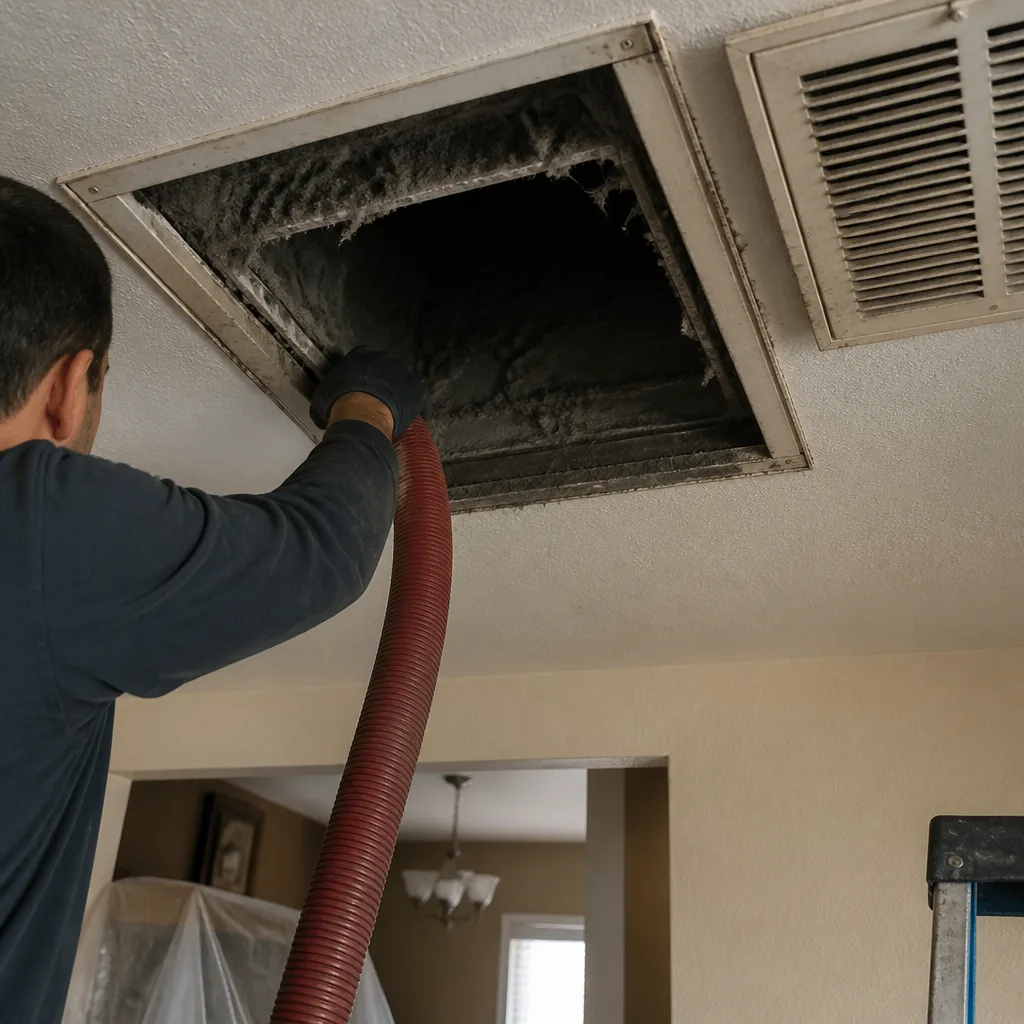 Before
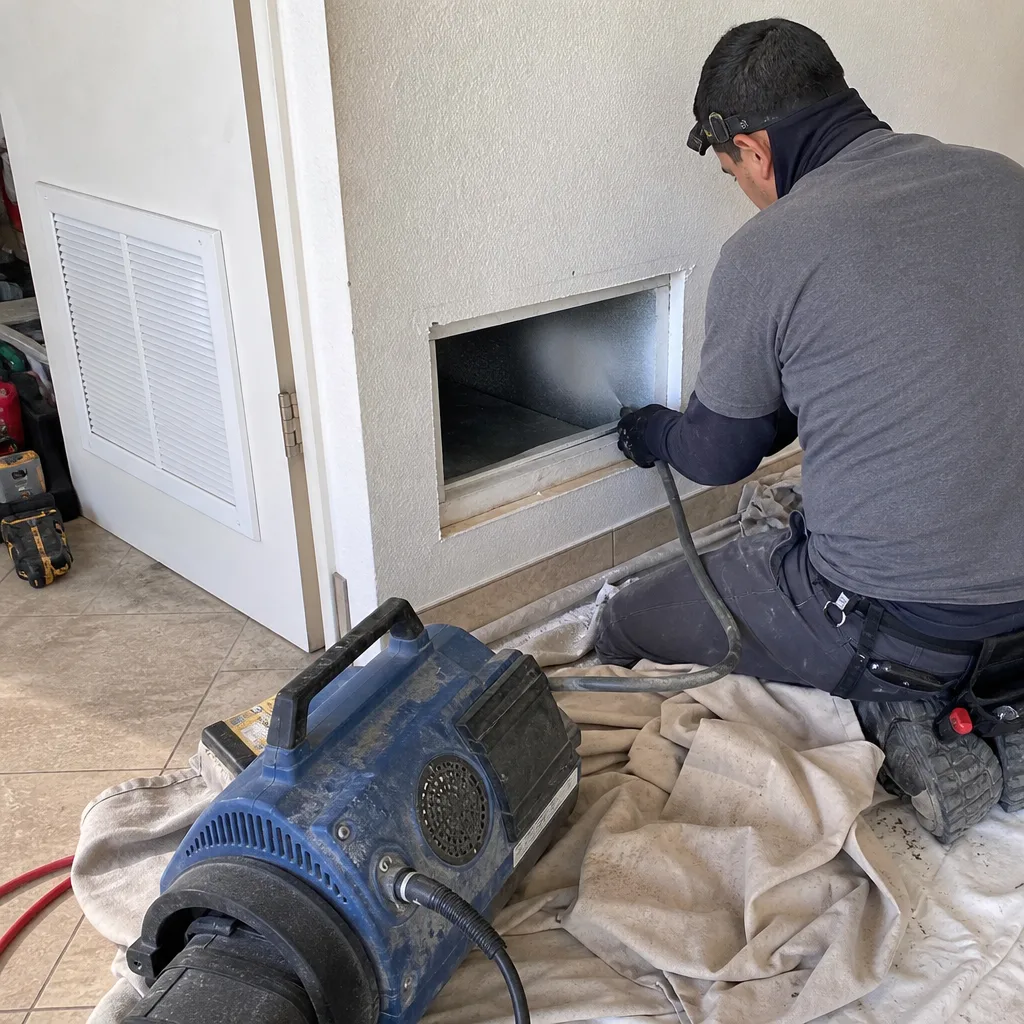 After
After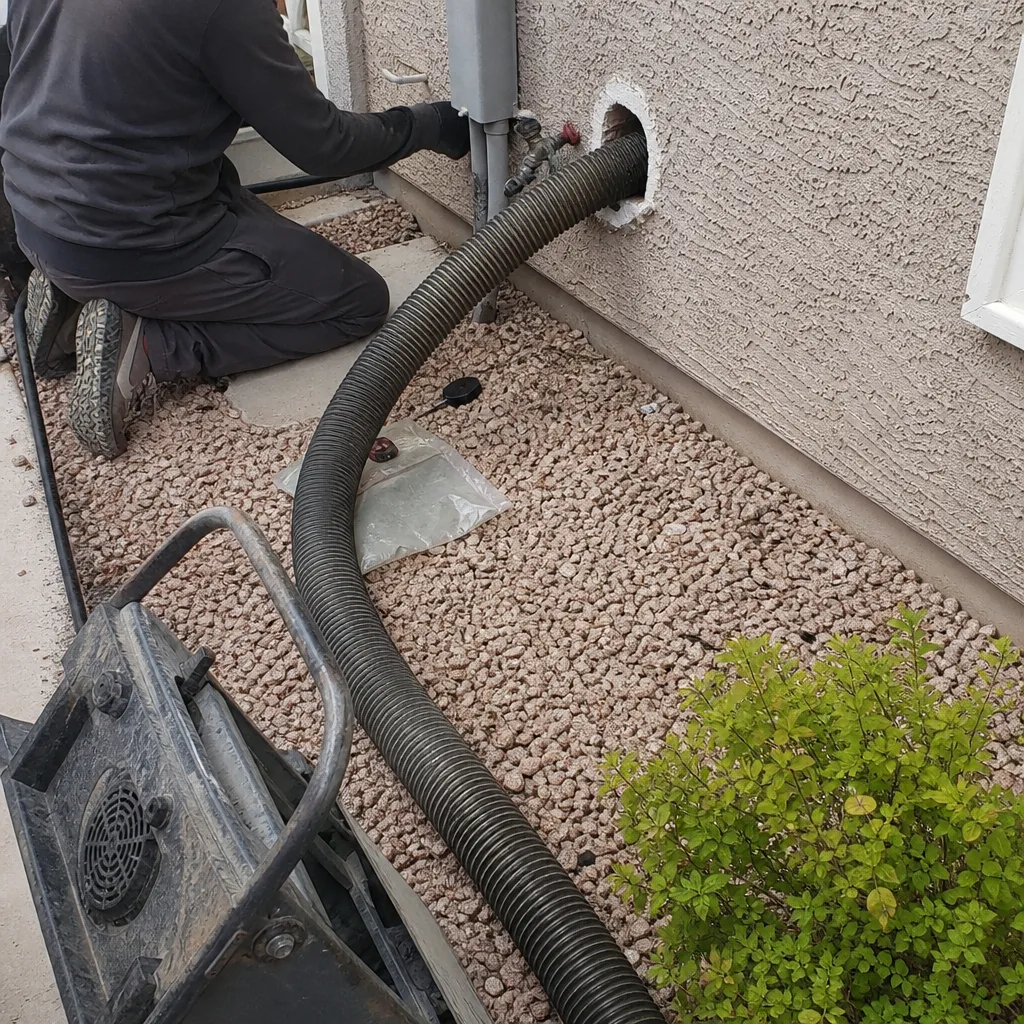 Before
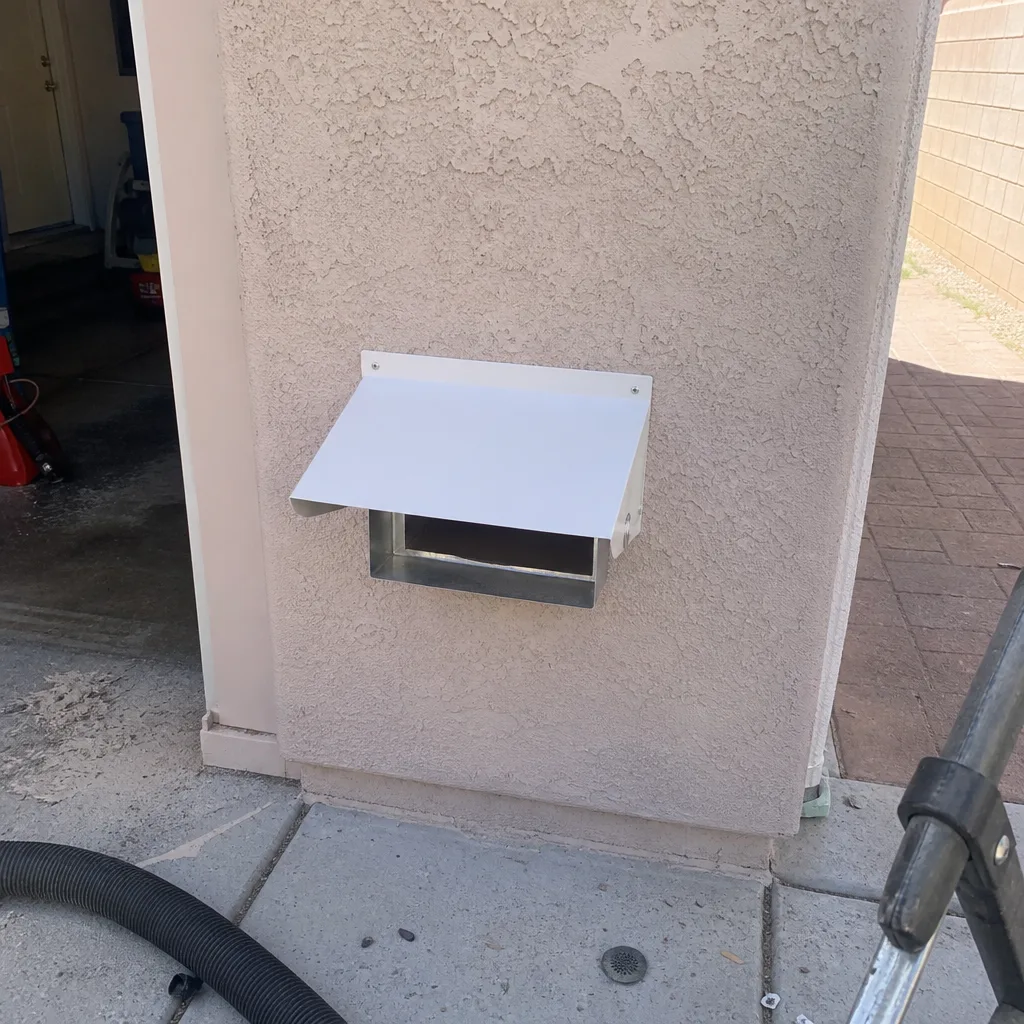 After
After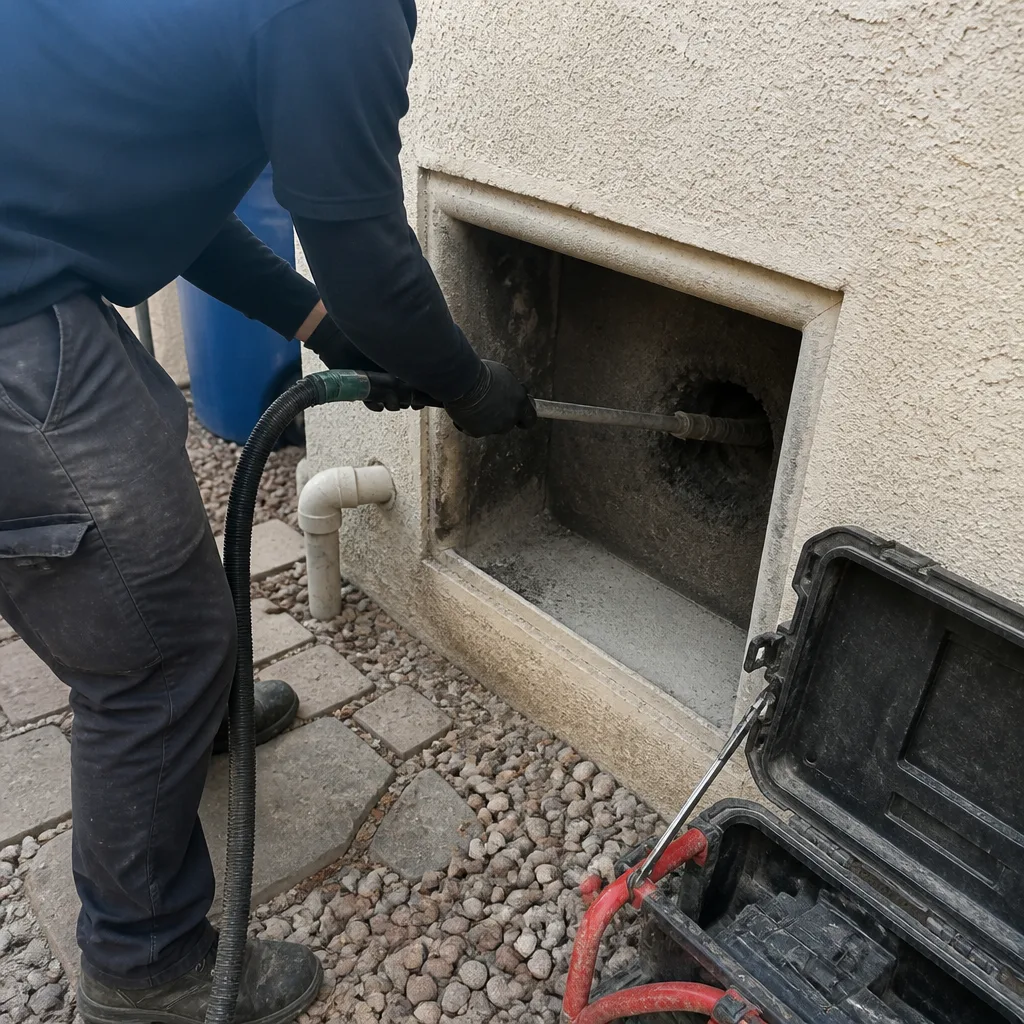 Before
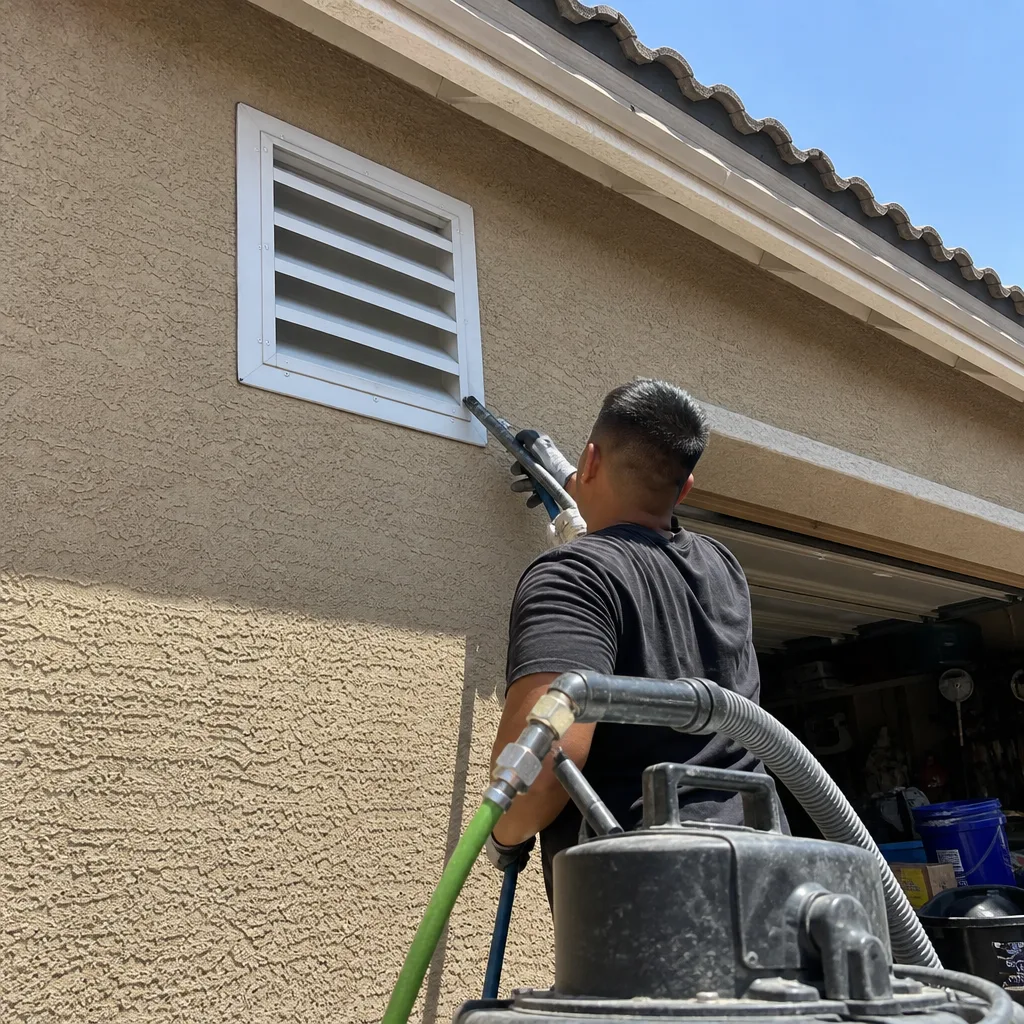 After
AfterReplacement Cost & What’s Included
In Las Vegas, you’ll typically pay $85 to $220 per system for register and grille cleaning when it’s scheduled as part of a full air duct cleaning. As a standalone job, expect $150 to $300. The range comes down to three things: how many registers and grilles you have, how badly they’re fouled, and whether your Nikro tool needs a replacement part or just a deep refresh.
Every quote is a written price before any work starts. You’ll know the parts cost and the labor cost as separate line items, and that number won’t change at the door. All replacement parts we install are covered by a written guarantee, and if the part fails within a year, we come back and correct it at no charge under our 365-Day Done Right Promise. No fine print, no prorating.
DIY or Call Us?
There are two things you can safely check yourself. First, confirm the tool’s connection collar is fully seated and not cross-threaded (you’d be surprised how often a “failing” Nikro reg tool just isn’t locked on all the way). Second, inspect the bristles visually: if they’re flattened, melted, or missing in patches, the tool needs replacement, not a cleaning hack.
Where DIY goes sideways is when owners try to revive bristles with heat guns (they melt), replace collars with generic hose fittings (they leak), or worst of all, keep running a cracked tool on a HEPA vacuum and overheat the motor. A new Nikro vacuum costs ten times a replacement register tool. If the bristles are shot, the collar’s cracked, or you’re getting weak suction, call (725) 600-6597 and we’ll get you sorted before your machine takes a hit.
FAQs
Plan on 3 to 5 years of regular home use before bristles degrade and collars start showing wear. Garage storage in a Las Vegas summer shortens that to 2 to 4 years because the heat accelerates plastic and bristle breakdown. Commercial users should budget for annual replacement. If yours is older than that and showing symptoms, call (725) 600-6597 and we’ll quote a replacement over the phone.
Usually not. Bristle integrity and collar threading can’t be meaningfully restored once they’re damaged, and glue or epoxy fixes create airflow leaks that strain the vacuum motor. Replacement is almost always cheaper than the motor repair you’ll eventually face. We’ll tell you straight if a repair is viable, which it occasionally is for loose set screws or replaceable collars on newer models.
Most Las Vegas homes with 8 to 12 registers and 2 to 3 return grilles take 45 to 90 minutes for the register work specifically, and 3 to 5 hours total when bundled with a full duct cleaning. We’ll give you a written time range before we start, and you’ll get a live trackable arrival window on the day of the job.
We carry the most common Nikro register brush sizes and 2-inch collars in our trucks, along with quality aftermarket equivalents. If your model needs a less common size or the pre-2018 twist-lock collar, we’ll have it sourced and ready before your appointment. Tell us your model number when you call (725) 600-6597 and we’ll confirm what’s on hand.
Written by Omar Haddad, Owner & Lead Technician, Cardinal Air Duct Las Vegas at Cardinal Air Duct Las Vegas, serving Las Vegas and nearby areas.