
Last updated October 15, 2026
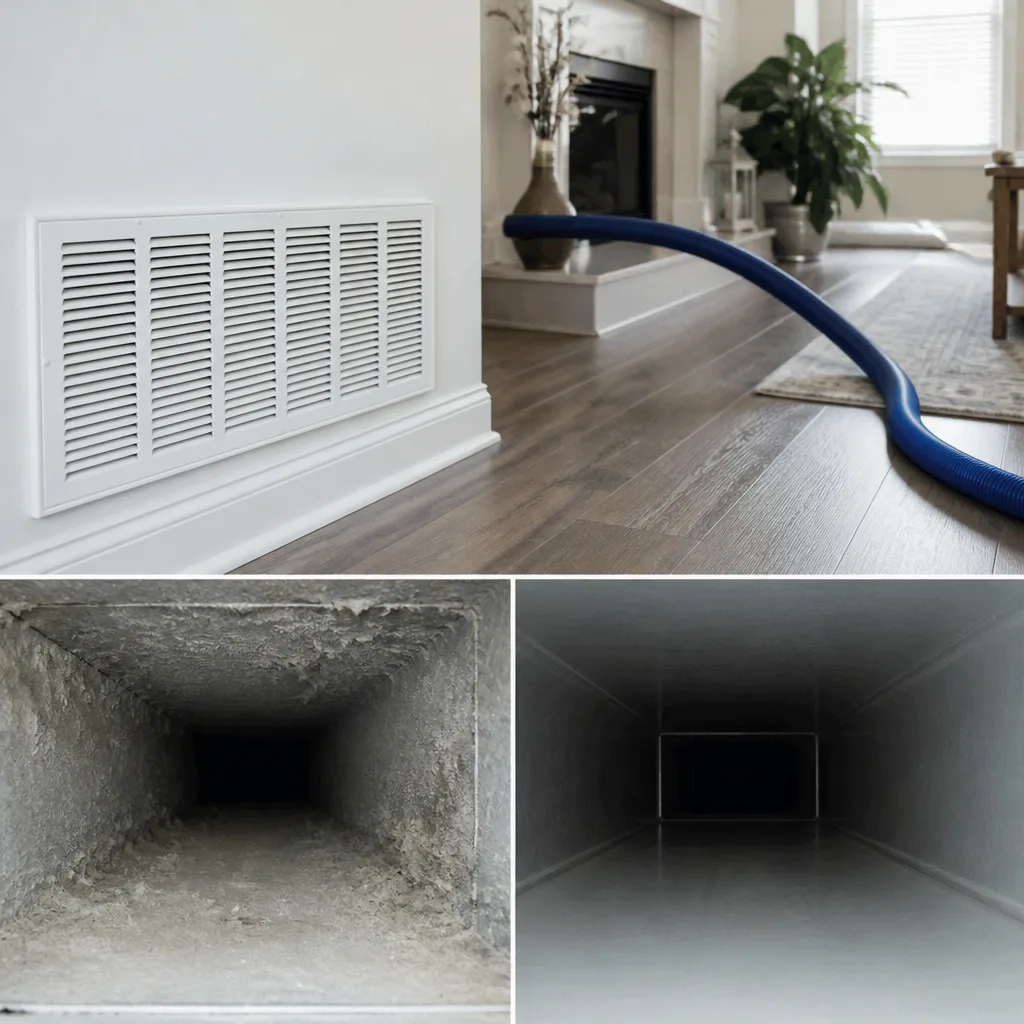 Whole-home duct cleaning
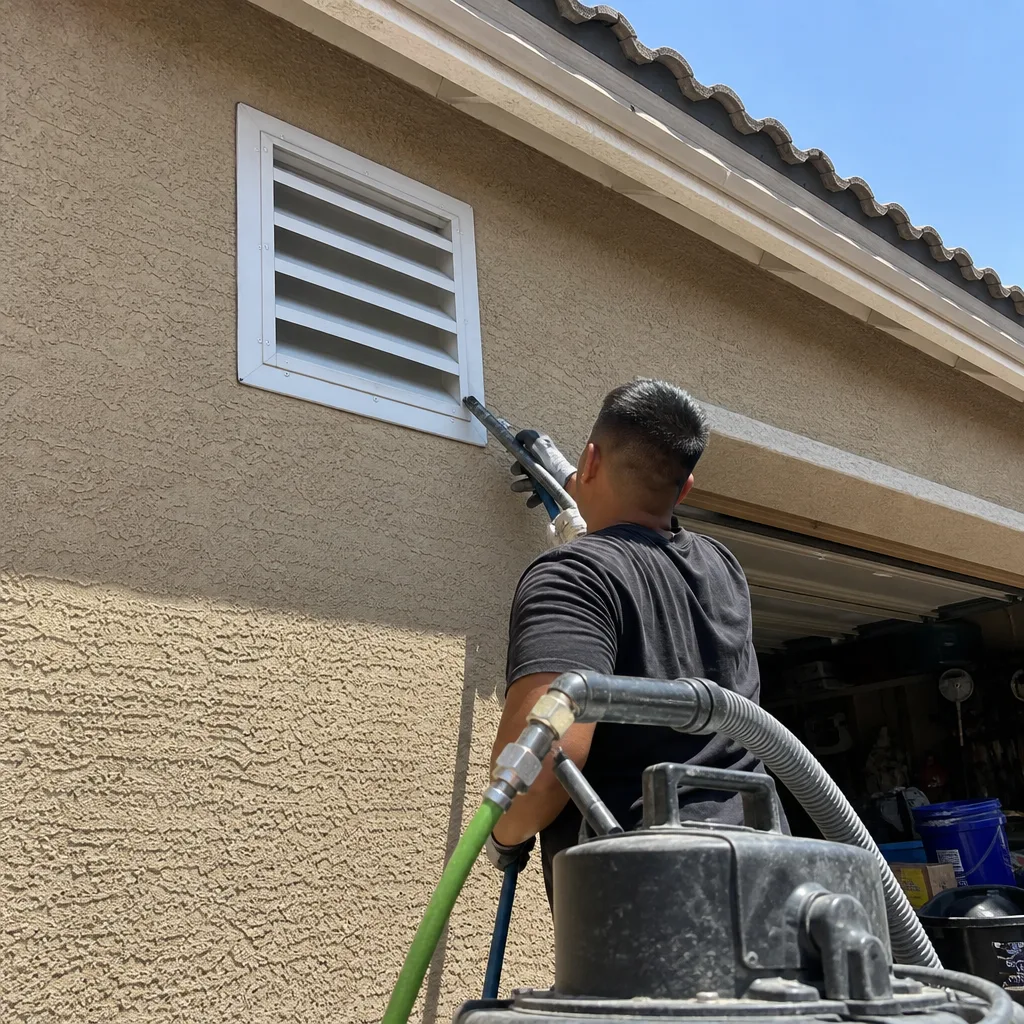
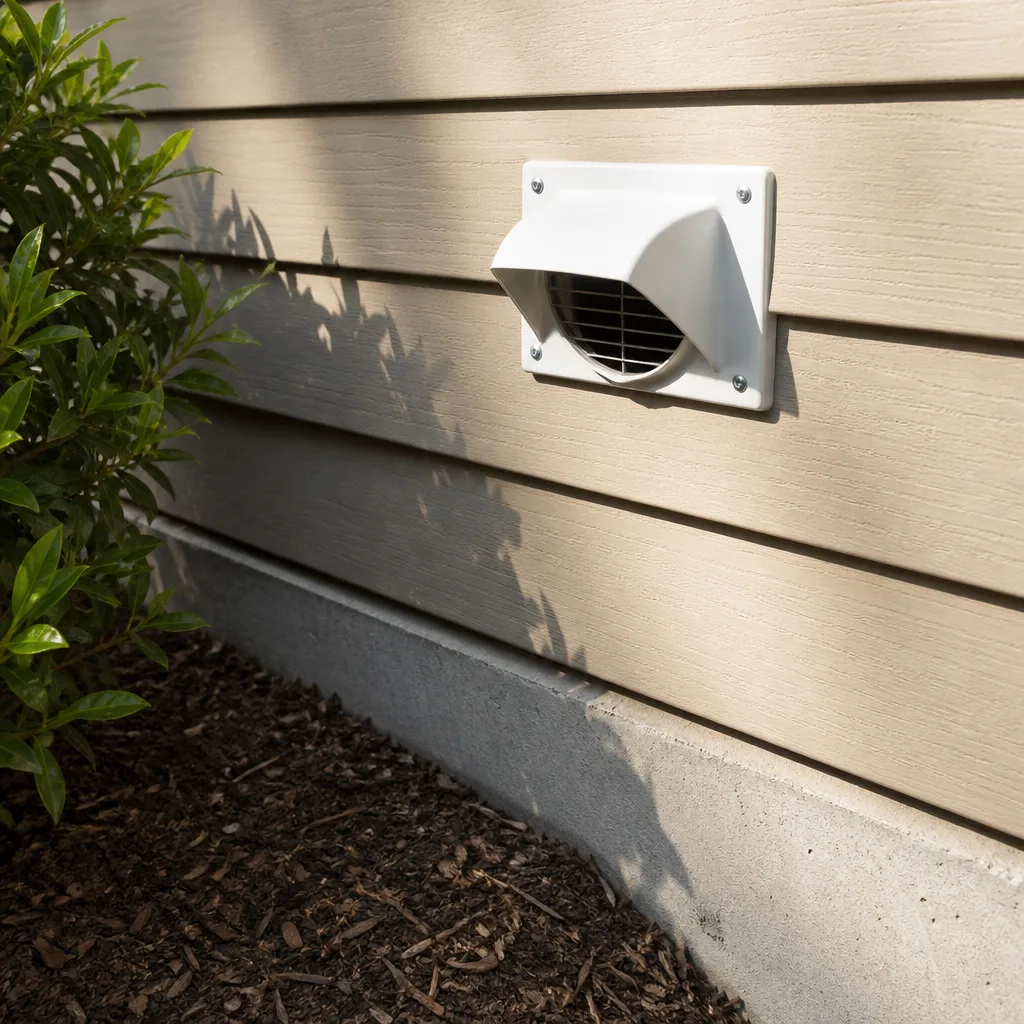 Dryer vent cleaning
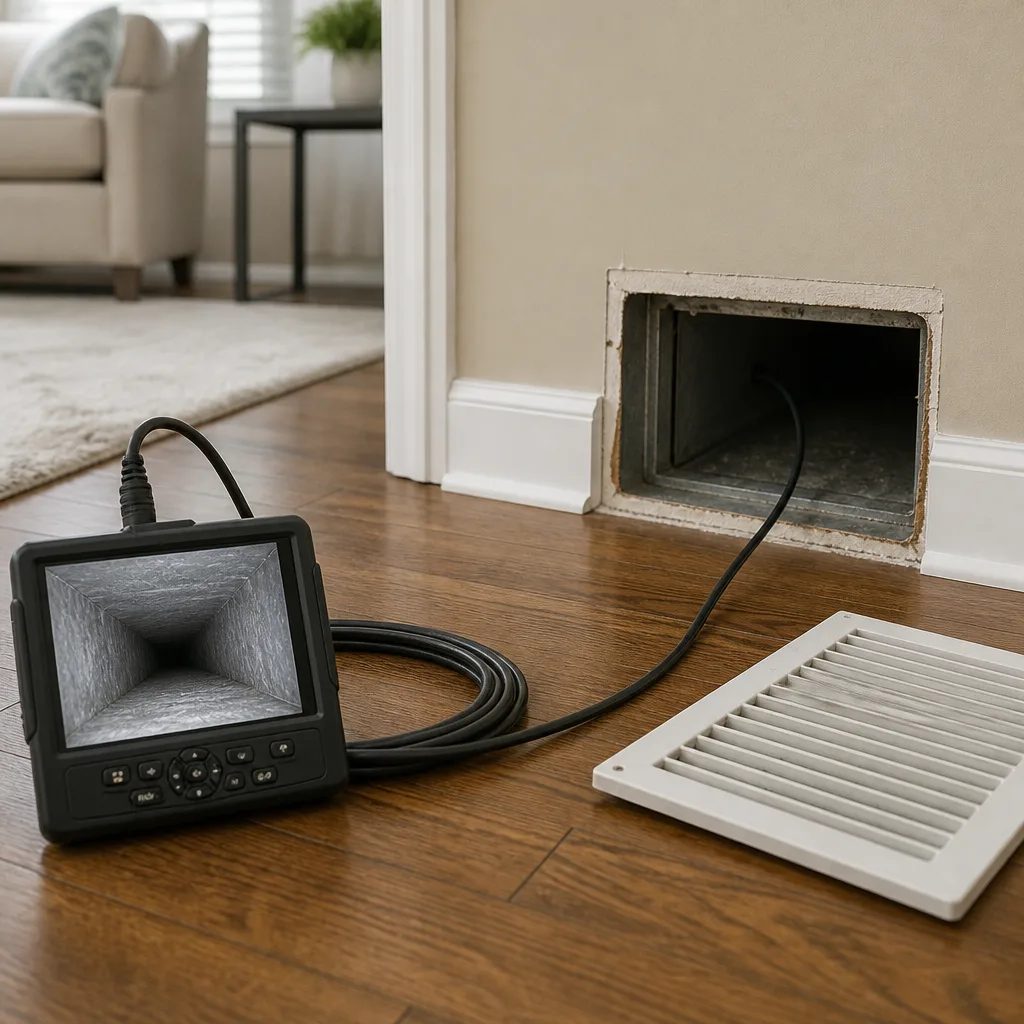 Camera inspection
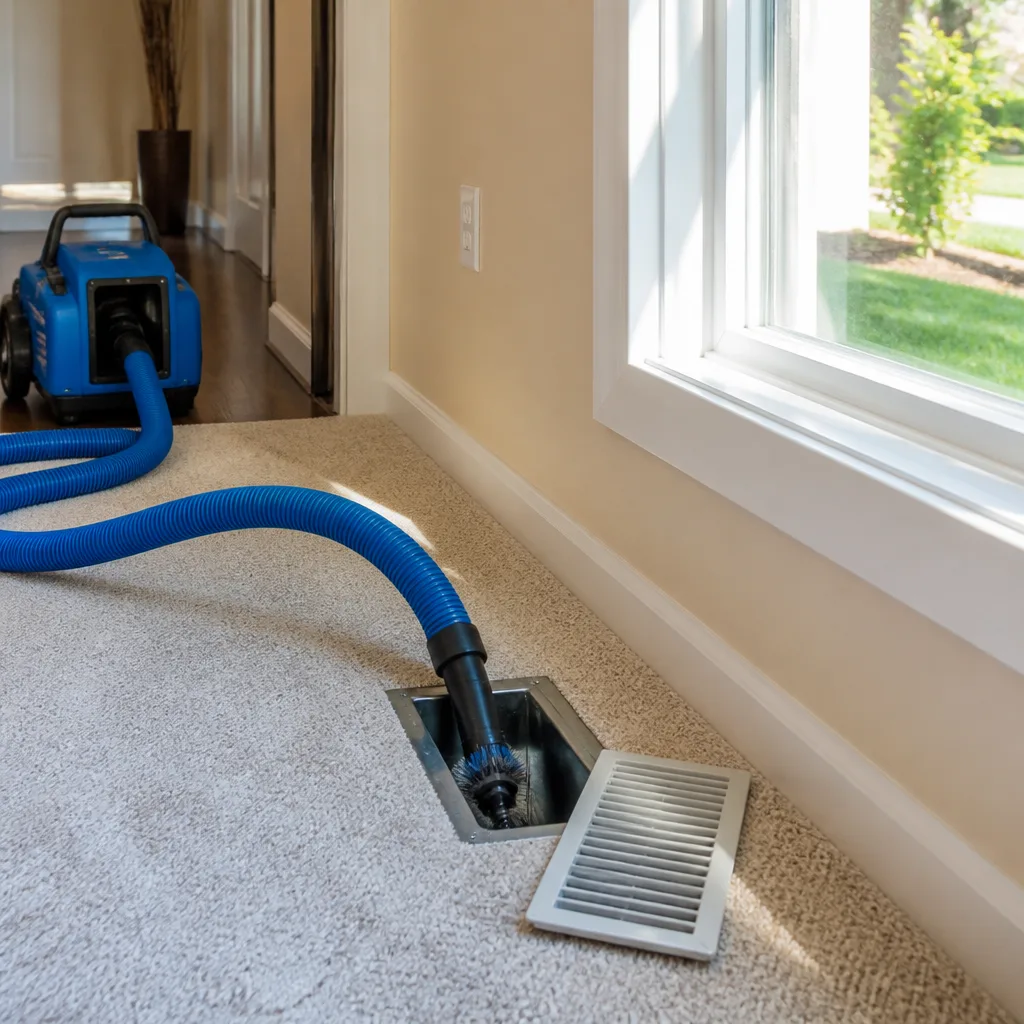 Sanitizing & deodorizing
Whole-system duct and dryer vent check with before-and-after photos - you see exactly what came out of your vents
That "$99 whole-house special" is a bait ad - the real number appears once they are in your hallway, or the "clean" is a shop-vac at the register. We photograph the inside of your ducts before and after instead.
Air Duct Cleaning Permits, Codes & Inspections in NV: What You Need to Know
Most homeowners assume that “cleaning” and “repair” are two separate conversations. They’re not. In Las Vegas, a duct cleaning technician who reseals a disconnected flex duct joint without a C-21 license is performing unlicensed contracting under Nevada law, and the liability for that ten-minute fix lands squarely on you. This guide walks through the exact legal line between maintenance and modification, what NRS Chapter 624 actually says, how Clark County handles duct sealing during a cleaning visit, and the specific steps that protect you before any tech steps into your crawlspace or attic. For more on what to watch for, see our Air Duct Cleaning Warning Signs: A Las Vegas Homeowner’s Reference Guide.
Styles & brands we work with
Quick Answer
Air duct cleaning itself does not require a permit anywhere in Nevada, including Las Vegas and Clark County. However, the moment a technician disconnects, modifies, repairs, or reseals any duct section, that work crosses into licensed HVAC contracting under NRS Chapter 624 and may require a mechanical permit from the Clark County Building Department. Cleaning and inspection are exempt; alteration and repair are not.
Table of Contents
- The Legal Line: Cleaning vs. Repair Under NRS Chapter 624
- Clark County Building Department: What Actually Triggers a Permit
- Duct Sealing During a Cleaning Visit: The Gray Area in Las Vegas
- When Duct Cleaning Reveals Mold: NAC 444 and Remediation Rules
- HOA Considerations in Summerlin, Henderson, and Master-Planned Communities
- The One Contract Clause That Shifts Liability Back to the Contractor
- How Unpermitted Duct Work Affects Your Home Insurance in Nevada
- Common Mistakes to Avoid
- When to Call a Professional
- Frequently Asked Questions
- The Bottom Line
The Legal Line: Cleaning vs. Repair Under NRS Chapter 624
Nevada Revised Statutes Chapter 624 governs contractors, and within it sits the definition that separates routine maintenance from licensed HVAC work. The statute is specific: any person who “modifies, alters, repairs, or replaces” any component of a heating, ventilation, or air conditioning system must hold a C-21 (refrigeration and air conditioning) license issued by the Nevada State Contractors Board. Cleaning, inspecting, and testing are not listed as regulated activities. That is the bright line.
Here is what that means in practical terms for your Las Vegas home:
- What does NOT require a license or permit: running a rotary brush through existing ductwork, negative-pressure vacuum extraction of loosened debris, sanitizing accessible interior surfaces, replacing a standard return air filter, and visual inspection of visible duct sections.
- What DOES require a C-21 license: cutting into a duct run to install an access panel, disconnecting a flex duct from a register boot, resealing a joint with mastic or aluminum tape, replacing a damaged section of duct, and reconnecting a duct that has separated from the plenum.
- What may require a mechanical permit: any of the above that changes the physical configuration of the system, including adding a new register, rerouting a duct run, or replacing more than a small patch section.
The distinction matters because unlicensed contracting in Nevada carries penalties for both the person performing the work and, in some circumstances, the homeowner who knowingly hired them. The Nevada State Contractors Board has publicly stated that homeowners who hire unlicensed contractors for work exceeding $1,000 in labor and materials have limited recourse through the Board’s Residential Recovery Fund. If a duct cleaner quotes you $499 for cleaning and then casually mentions they “fixed a loose duct” while they were in there, that fix is the unlicensed part.
In our experience across Las Vegas homes from Summerlin to Green Valley, the most common trigger is a disconnected flex duct. Attic heat in Southern Nevada degrades the adhesive on flex duct connections over time. A technician doing a legitimate cleaning will spot the separation. The question is what they do next: a licensed contractor stops and quotes the repair separately; a less scrupulous cleaner reaches for the foil tape. The second one just performed unlicensed contracting in your attic.
Clark County Building Department: What Actually Triggers a Permit
The Clark County Building Department issues mechanical permits for HVAC work throughout unincorporated Clark County, including the Las Vegas Valley. The City of Las Vegas, North Las Vegas, and Henderson operate their own building departments with similar requirements under the same Nevada statutes. A permit is generally required for the “installation, alteration, or replacement” of mechanical systems. Routine cleaning is not on that list.
But here is the nuance most guides miss: Clark County treats duct sealing differently depending on scope and intent. Here is the practical breakdown:
- Cleaning-only visit, no disassembly: No permit, no special license beyond a general business license.
- Cleaning plus sealing of visible gaps with mastic or tape, no duct disassembly: This sits in the gray zone. The physical duct run is not altered, but a repair has arguably occurred. Clark County’s position, based on published mechanical inspection guidelines, is that sealing an existing joint is maintenance. Disconnecting a joint to seal it is alteration.
- Cleaning plus disconnecting any duct section for access: Alteration. C-21 license required, mechanical permit potentially required depending on whether the duct configuration changes upon reassembly.
- Cleaning plus replacing any duct section or adding an access panel: Alteration and replacement. Mechanical permit required in Clark County, no exceptions for “small” replacements.
- Cleaning plus reconnecting a duct that fell off the plenum: Repair. C-21 license required. Whether a permit is needed depends on whether the repair restores the original configuration exactly.
The safest approach for any Las Vegas homeowner is to ask one direct question before the technician starts: “Does your company hold a C-21 license, and if you find a disconnected or damaged duct, will you stop and quote the repair separately?” The answer tells you everything about how the company views the legal line.
For reference, a typical whole-home Air Duct Cleaning in Las Vegas runs $349 to $699 for a standard 2,000 to 3,000 square foot home, while licensed duct repair work typically starts at $150 to $400 for a single joint reseal and goes up from there. The price difference is not a red flag; the license status is.
Duct Sealing During a Cleaning Visit: The Gray Area in Las Vegas
This is where the rubber meets the road in Southern Nevada. Attic temperatures in Las Vegas routinely hit 140°F in August. That heat cooks the adhesive and tape on older flex duct connections, which means duct separations are common in homes built 15 or more years ago. If you live in a Summerlin home from the early 2000s, you likely have at least one duct joint that has loosened.
Here is what you need to know about how a legitimate cleaning company handles this versus a corner-cutter:
The legitimate approach: The technician uses professional-grade equipment like Nikro HEPA-filtered negative-pressure vacuums and Rotobrush rotary brush systems to clean what exists. They do not disconnect anything. If they find a separation, they photograph it, document the location, and quote the repair as a separate line item. That repair requires a licensed HVAC contractor, and if the repair changes the duct layout, a Clark County mechanical permit follows.
The shortcut approach: The technician sees the gap, grabs a roll of foil tape from the truck, and “fixes” it in three minutes as a “courtesy.” That courtesy is unlicensed contracting under NRS 624. It also means there is no inspection of the repair, no record of the work, no warranty, and no way to verify the seal will hold through the next Las Vegas summer.
The practical test we recommend to every homeowner: ask the company, in writing, what they do when they find a disconnected duct. If the answer is “we reseal it as part of the service,” ask for their Nevada State Contractors Board license number and confirm it is a C-21. If they dodge the question, find another company.
This distinction also matters for HVAC Cleaning in Las Vegas, because what starts as a cleaning can quickly become a repair recommendation. A company that does both under one roof is not the problem. A company that does both without the proper license is.
When Duct Cleaning Reveals Mold: NAC 444 and Remediation Rules
Nevada Administrative Code Chapter 444 regulates sanitation practices, including mold assessment and remediation standards. It sits in a completely different regulatory bucket from NRS 624, and that creates a gap most homeowners do not see until it is too late.
Here is what NAC 444 means for your Las Vegas duct cleaning:
- Cleaning surface mold in accessible duct interiors is not remediation. If a technician can reach the affected area with a cleaning tool and the mold is on a non-porous surface like sheet metal, cleaning with appropriate antimicrobial products falls under routine service.
- Remediation is a different activity entirely. NAC 444 requires that mold remediation contractors follow containment protocols designed to prevent spore spread. This means negative-pressure containment (the kind of equipment Abatement Technologies builds for this exact purpose), air scrubbers, and sealed work zones.
- Mold inside fiberglass duct lining is typically a replacement situation, not a cleaning situation. Fiberglass is porous. If mold has colonized the lining, cleaning will not remove the roots. The affected duct section must be replaced, which lands squarely back in C-21 licensed territory.
- Remediation firms in Nevada do not need a C-21 license to remediate, but they need proper NAC 444 compliance for containment. Conversely, a C-21 HVAC contractor can replace mold-affected ducts but may not be set up for full remediation containment. In bad cases, you need both specialists.
Las Vegas presents a particular mold challenge because of our dry climate. Many homeowners assume mold cannot grow here. It absolutely can: evaporative cooler overspray, AC condensate leaks, and the pressure differences created by our hot attics all create microenvironments where mold thrives. When we find visible mold growth inside ducts in Las Vegas homes, the conversation immediately shifts from “cleaning” to “assessment.” We do not clean mold we cannot definitively reach and remove, because sending spores through a home’s air supply during a cleaning is worse than leaving them alone.
The takeaway: if a duct cleaner finds mold, asks them two questions. First, is the mold on metal or on porous material? Second, does your company carry containment equipment for this job? If they cannot answer both, stop the job and call someone who deals with this specifically.
HOA Considerations in Summerlin, Henderson, and Master-Planned Communities
If you live in a Las Vegas master-planned community like Summerlin, Green Valley Ranch, Southern Highlands, or most of Henderson, your HOA adds a layer of approval that has nothing to do with Clark County permits and everything to do with architectural control.
Here is where the conflict typically arises:
- Duct cleaning itself never requires HOA approval. Interior work, invisible from the street, is not within the HOA’s architectural review committee (ARC) jurisdiction.
- Exterior vent cap replacement often does require ARC approval. If your dryer vent cap needs replacement, or if a duct inspection requires upgrading a roof-mounted vent cap, the change is visible from outside the home. Summerlin’s ARC and most Henderson HOAs require a design review application before any exterior alteration, including vent cap changes, even when the cap is functionally identical to the old one.
- Attic access work does not require approval. Interior attic work, including access through ceiling hatches or garage scuttle doors, is invisible and not ARC-regulated.
- Condensing unit modifications do require approval in many communities. If duct work leads to HVAC system changes that include relocating the exterior condenser, that is an exterior alteration requiring both HOA approval and Clark County mechanical permits.
What surprises most Las Vegas homeowners is the timing. HOA architectural review in Summerlin typically takes 10 to 14 days for a standard application. Clark County mechanical permit review ranges from same-day over-the-counter issuance for simple replacements to several weeks for complex alterations. If your duct issue requires both, plan accordingly. A disconnected flex duct in July feels urgent, but neither your HOA nor the Building Department moves faster because your house is hot.
For Dryer Vent Cleaning in Las Vegas, the HOA angle is particularly relevant because many homes route dryer vents through the roof or out an exterior wall with a visible cap. Cleaning the vent from inside does not trigger ARC review. Replacing the cap does. Know the difference before you get a violation letter.
The One Contract Clause That Shifts Liability Back to the Contractor
Nevada law does not automatically protect you from unpermitted work performed by a contractor. In fact, Section 40 of the Nevada State Contractors Board regulations is clear: homeowners who knowingly allow unlicensed work to occur on their property bear their own share of risk. The key word is “knowingly.” Here is the clause we recommend every Las Vegas homeowner add to any duct cleaning contract:
“Contractor represents and warrants that all work performed under this agreement that constitutes repair, alteration, modification, or replacement of any HVAC component shall be performed by a properly licensed C-21 contractor with all applicable permits obtained from the Clark County Building Department or other authority having jurisdiction. Contractor shall defend, indemnify, and hold harmless Homeowner from any claim, fine, penalty, or enforcement action arising from Contractor’s failure to comply with NRS Chapter 624 or applicable building codes.”
That paragraph does two things. First, it makes the contractor affirmatively state that any repair work they do is licensed and permitted. Second, it flips the liability: if the contractor does unpermitted work anyway, they are contractually responsible for the consequences, not you.
Will every duct cleaning company sign this? No. The ones who refuse are telling you something. Any legitimate Las Vegas company that holds the proper credentials will sign it without hesitation because their standard operating procedure already includes the licensed contractor relationship. The ones who refuse are the ones who were planning to “just fix that loose duct” with foil tape and no permit.
We recommend getting this clause into every contract, not just for duct cleaning but for any home service where the line between service and repair can blur. It costs nothing to ask, and it converts a verbal promise into an enforceable contract term.
How Unpermitted Duct Work Affects Your Home Insurance in Nevada
Nevada homeowners insurance policies typically contain a clause excluding coverage for damage caused by “faulty workmanship” or “unpermitted work.” The insurance industry’s standard position is that unpermitted modifications void coverage for claims related to those modifications. Here is how that plays out with ducts in your Las Vegas home:
- Fire claims: If a fire starts at an improperly sealed duct connection and the insurance adjuster determines the work was unpermitted, the claim can be denied. This is not theoretical: duct work near dryer vents and furnace plenums carries enough heat load to ignite accumulated lint and debris when connections fail.
- Water damage claims: If condensation from an improperly insulated duct repair drips into your ceiling and the insurer discovers the repair was unpermitted, coverage is at risk.
- Mold claims: Unpermitted duct modifications that alter airflow can create condensation points that grow mold. Insurance companies in Nevada already treat mold claims with strict sub-limits; unpermitted work gives them the exclusion they need to deny the claim entirely.
- Disclosure at sale: Nevada’s seller disclosure requirements (NRS 113) require you to disclose known unpermitted work to buyers. If a buyer’s inspector finds unpermitted duct modifications you did not know about, the deal can die or the price can drop. The disclosure law does not care whether you knew the work was unpermitted.
The practical protection is simple: only allow licensed, permitted work, and keep every receipt. A digital invoice showing the contractor’s C-21 license number and the Clark County permit number is your insurance policy’s best friend.
Our team at Cardinal Air Duct Las Vegas operates on a simple standard for this: every quote is a written price before work starts, and every repair recommendation includes the license and permit question answered up front. You should expect the same from any Las Vegas contractor touching your ducts.
Common Mistakes to Avoid
- Assuming “licensed and insured” means the same thing as “C-21 licensed.” A business license from the City of Las Vegas is not an HVAC contractor’s license. Ask for the specific C-21 number from the Nevada State Contractors Board.
- Letting a cleaning technician “reseal a loose duct” as a courtesy. That courtesy is unlicensed contracting under NRS 624, and if the reseal fails, you have no warranty, no Board recourse, and an insurance claim that can be denied.
- Replacing a roof vent cap without checking your HOA’s ARC requirements. Summerlin, Green Valley, and most Henderson communities require architectural review for visible exterior changes. The HOA violation fee will exceed the cost of the cap.
- Treating mold in ducts as a cleaning problem. Mold on fiberglass lining or in porous duct board requires replacement or remediation under NAC 444 protocols, not a scrub with an antimicrobial spray.
- Skipping the written contract because it is “just a cleaning.” The contract is your only proof of what was and was not authorized. Without it, you cannot prove the contractor performed unpermitted work beyond the scope of cleaning.
- Paying cash for a discounted rate with no invoice. No paper trail means no recourse. A digital invoice with the contractor’s license number is worth more than the $50 discount.
- Ignoring the permit question on small replacements. Replacing three feet of damaged flex duct in the attic is an alteration under Clark County rules. “It is small” is not a permit exemption.
When to Call a Professional
If you have read this far, you already know the answer: call a professional for the cleaning, and insist on a licensed contractor for any repair. If you see disconnected duct work in your attic in Las Vegas, you are not looking at a five-minute DIY fix; you are looking at a licensed repair with potential permit implications. If your ducts have not been cleaned in five years or more and you live in a home built before 2010, you are a candidate for a professional inspection. Cardinal Air Duct Las Vegas offers free estimates in Las Vegas, and every quote includes a written price before work starts. Call (725) 600-6597 if you want a straight answer about your ducts.
Frequently Asked Questions
No. Air duct cleaning that involves only cleaning, inspecting, and testing existing duct work without disconnection, modification, or repair does not require any permit anywhere in Nevada, including Las Vegas and Clark County.
Only if the company holds a C-21 refrigeration and air conditioning license issued by the Nevada State Contractors Board. A business license alone is not sufficient. Any repair, alteration, or modification of duct work crosses into licensed contracting territory under NRS Chapter 624.
Under NRS 113 seller disclosure requirements, you must disclose known unpermitted work to buyers. If a buyer’s inspector discovers unpermitted duct modifications you did not disclose, the sale can fail or you can face post-sale liability. Keeping permits and invoices is your protection.
Cheap quotes often come from companies that skip professional-grade equipment, fail to carry proper licensing for repair work, and use bait-and-switch pricing where the low price balloons once the technician is in your home. A reputable Las Vegas duct cleaning like Cardinal Air Duct Las Vegas home services runs $349 to $699 for a standard home with a written price before work starts and no price changes at the door.
Interior duct cleaning never requires HOA approval, including in Summerlin, Green Valley Ranch, Southern Highlands, and Henderson. However, exterior changes like replacing a roof-mounted vent cap or a visible dryer vent hood typically require architectural review committee (ARC) approval in these master-planned communities.
Ask whether the mold is on non-porous metal or porous material like fiberglass lining. Mold on metal surfaces can often be cleaned during service. Mold embedded in porous material requires replacement of the affected section or full remediation under NAC 444 protocols, which typically involves a separate contractor with containment equipment. A reputable company will explain this distinction before proceeding.
The Bottom Line
Air duct cleaning in Nevada sits on one side of a clear legal line, and duct repair sits on the other. Cleaning requires no permit and no HVAC license. Repair, modification, and alteration require a C-21 license and often a Clark County mechanical permit. The risk lies in the gray zone: a technician who quietly “fixes” a disconnected duct during a cleaning visit has performed unlicensed work in your home, and the liability for that shortcut is yours to carry. Get the license question answered in writing. Add the indemnity clause to your contract. Keep every invoice. In a Las Vegas attic in July, the difference between a $500 cleaning and a $5,000 insurance denial is one sheet of paper.
Written by Omar Haddad, Owner at Cardinal Air Duct Las Vegas, serving Las Vegas since 2005.
See the difference
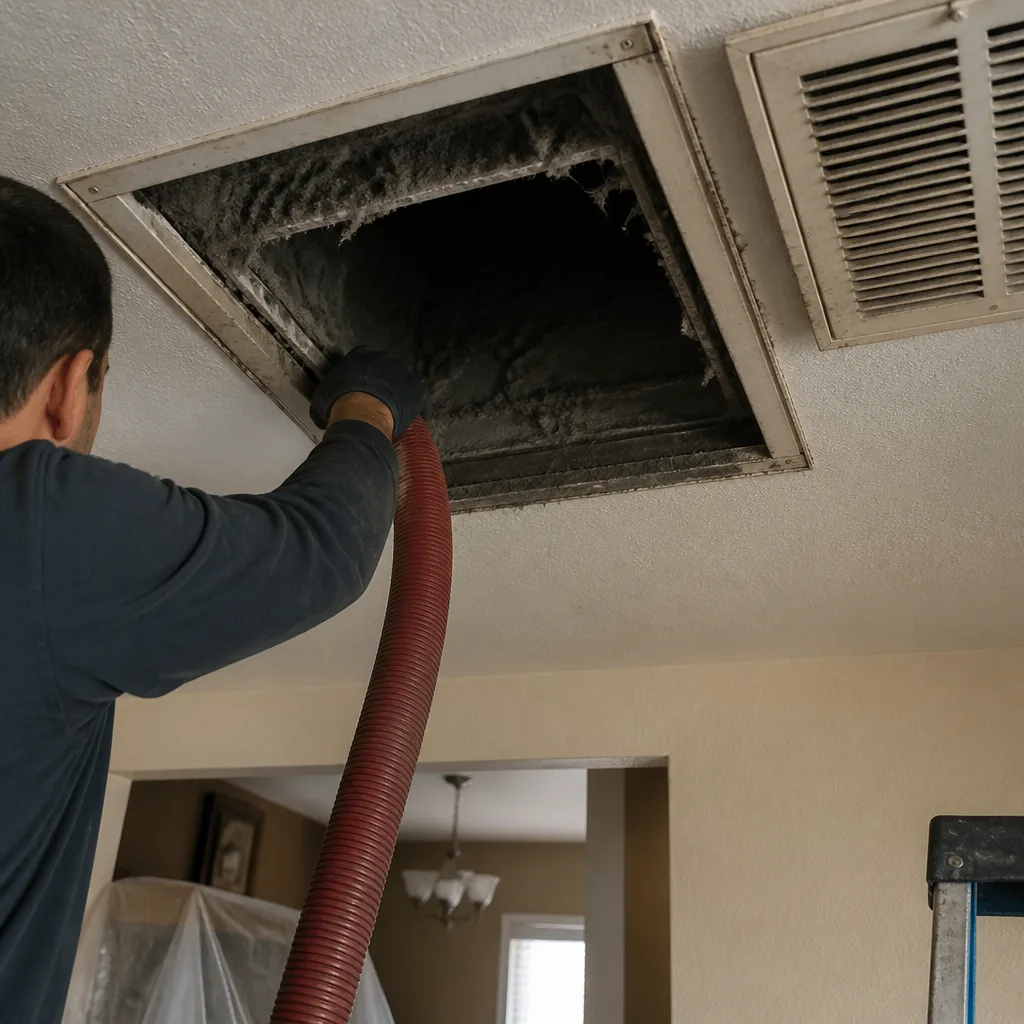 Before
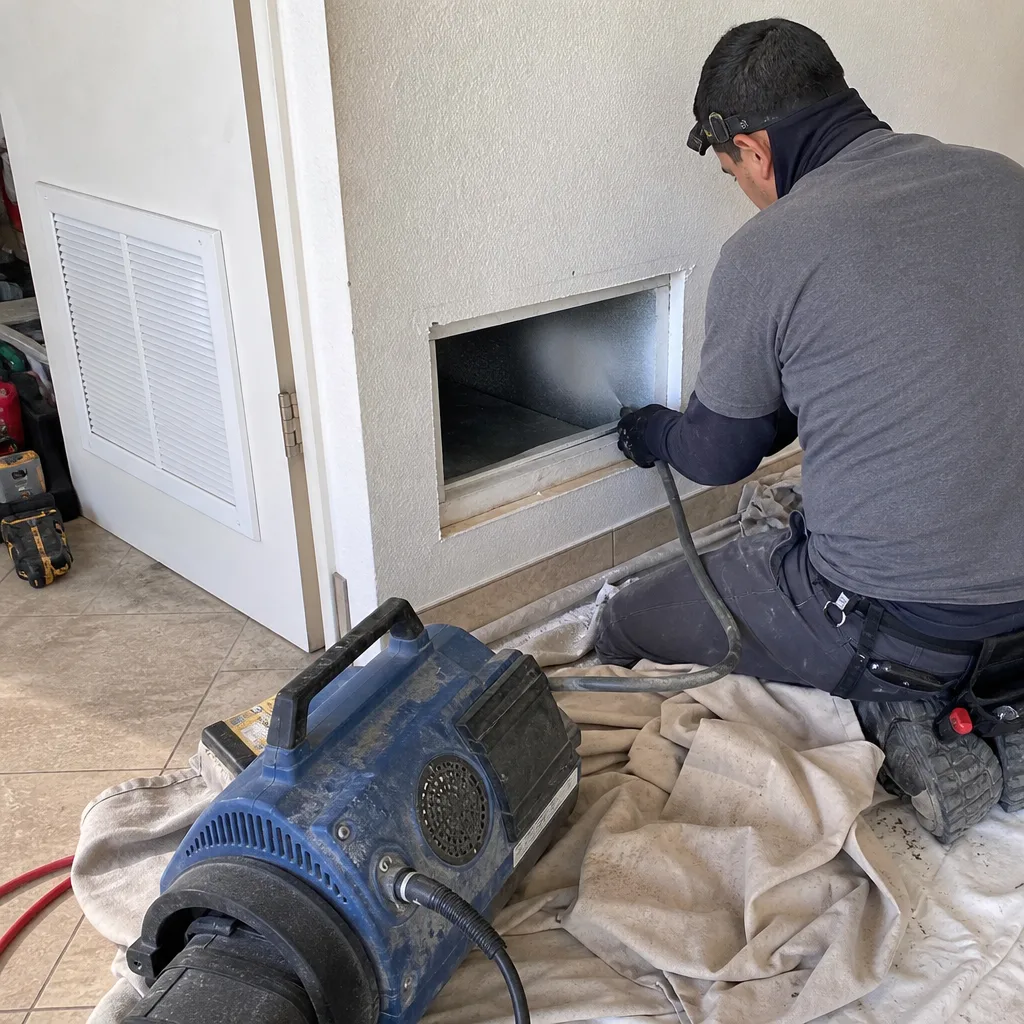 After
After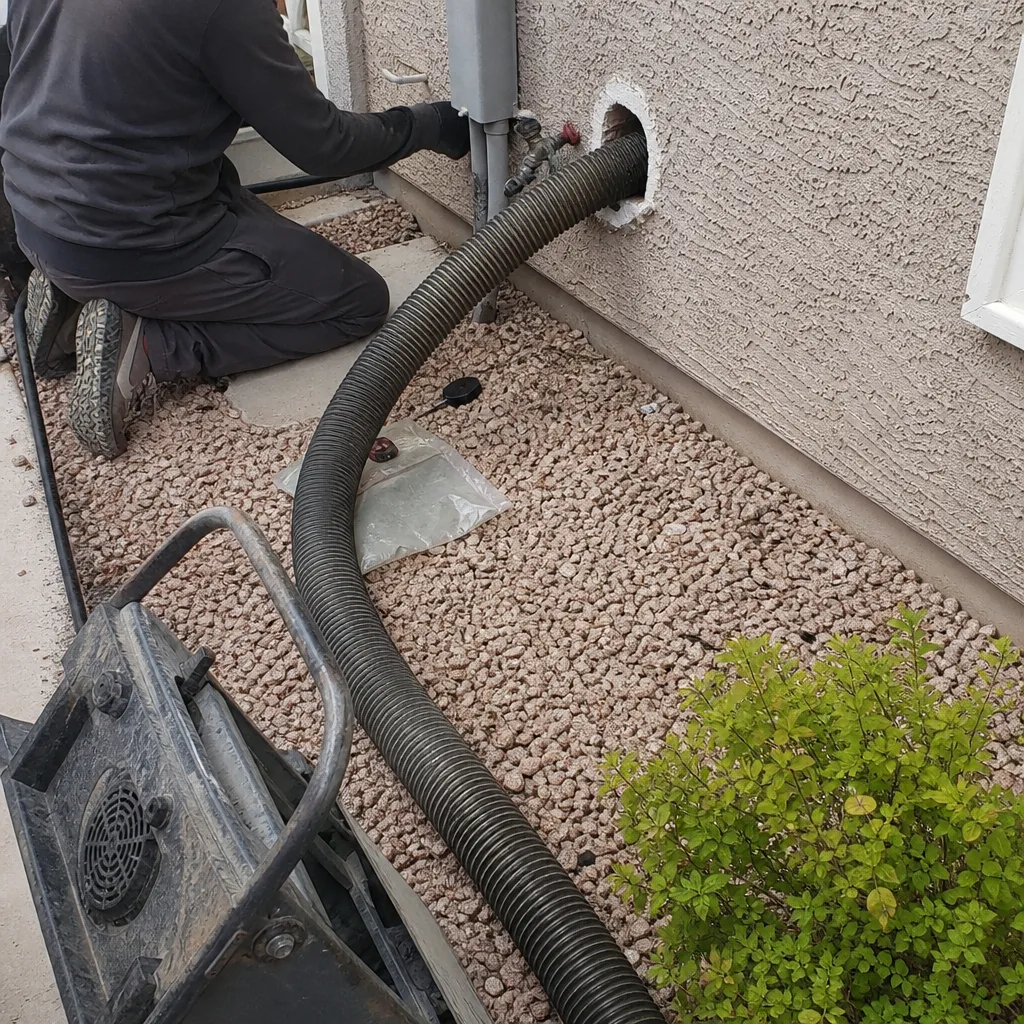 Before
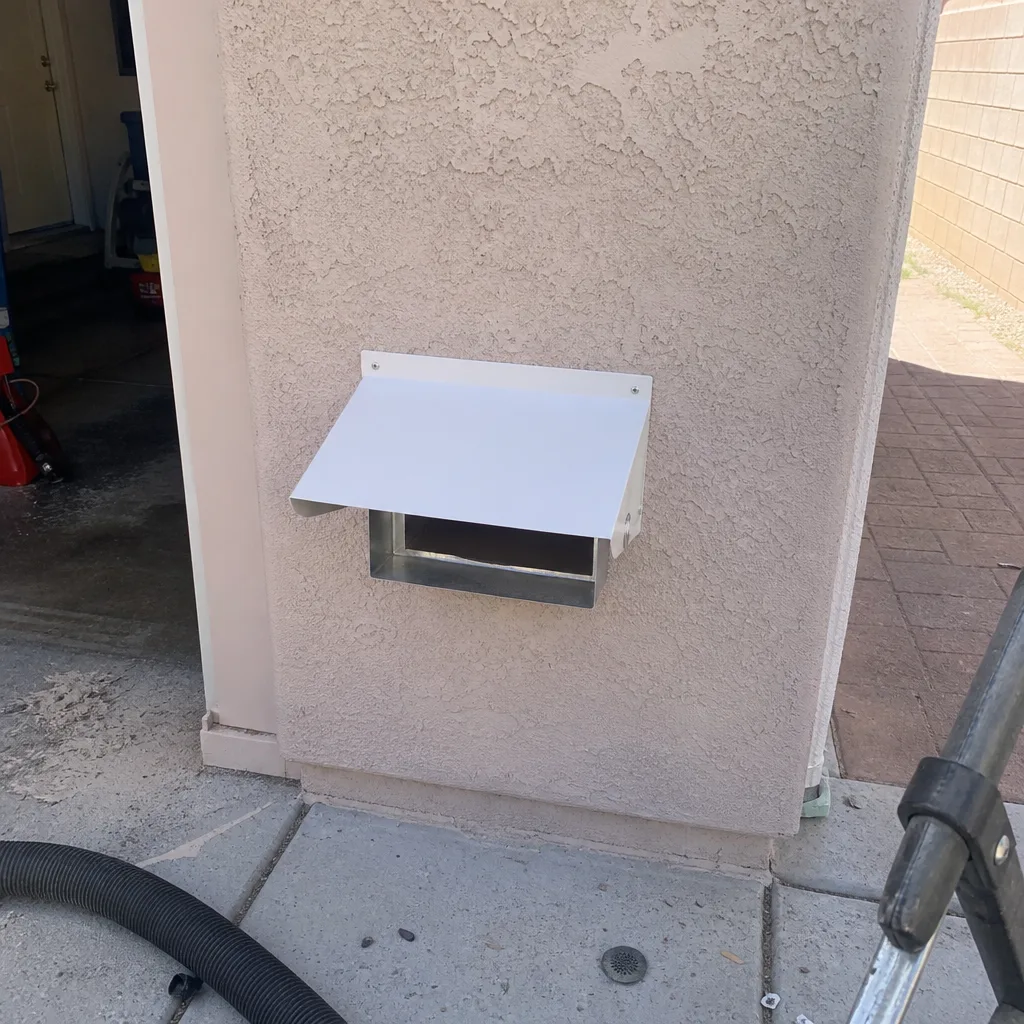 After
After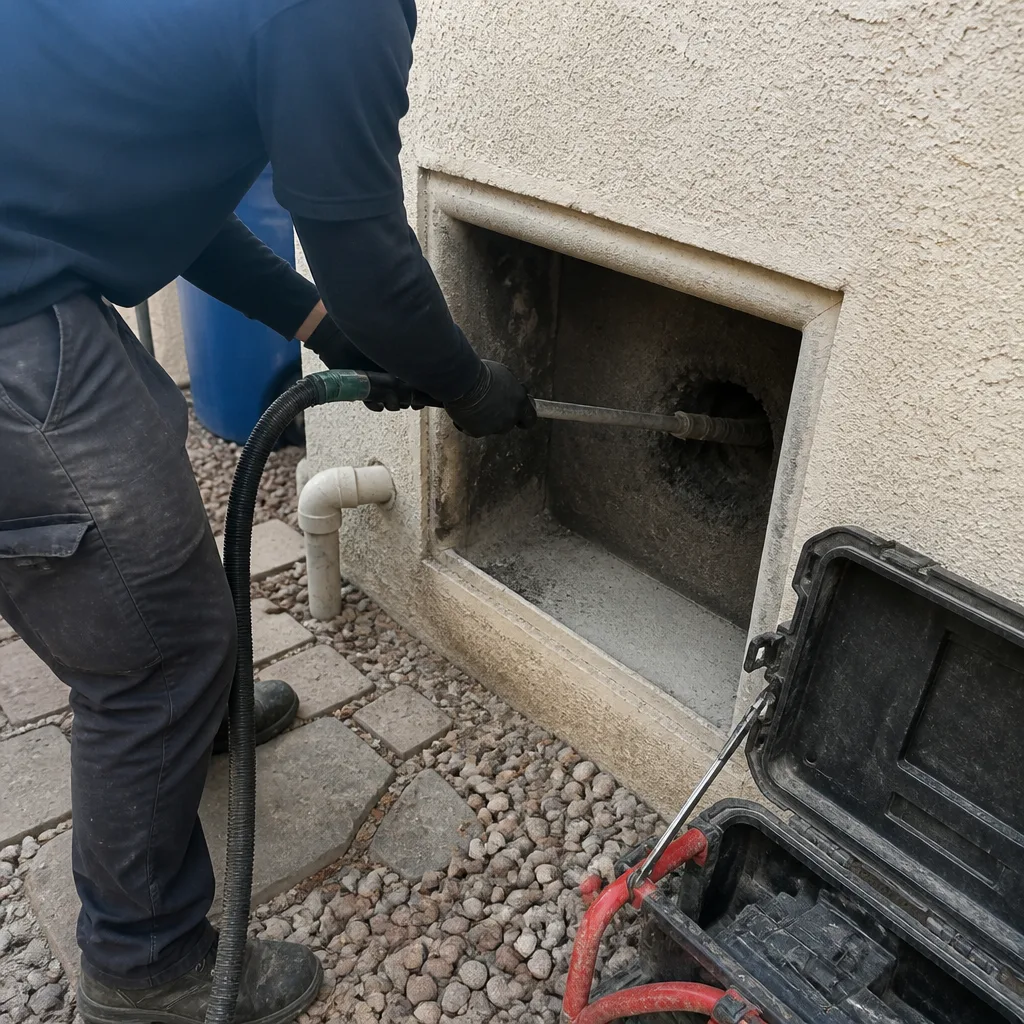 Before
 After
After