
Last updated October 15, 2026
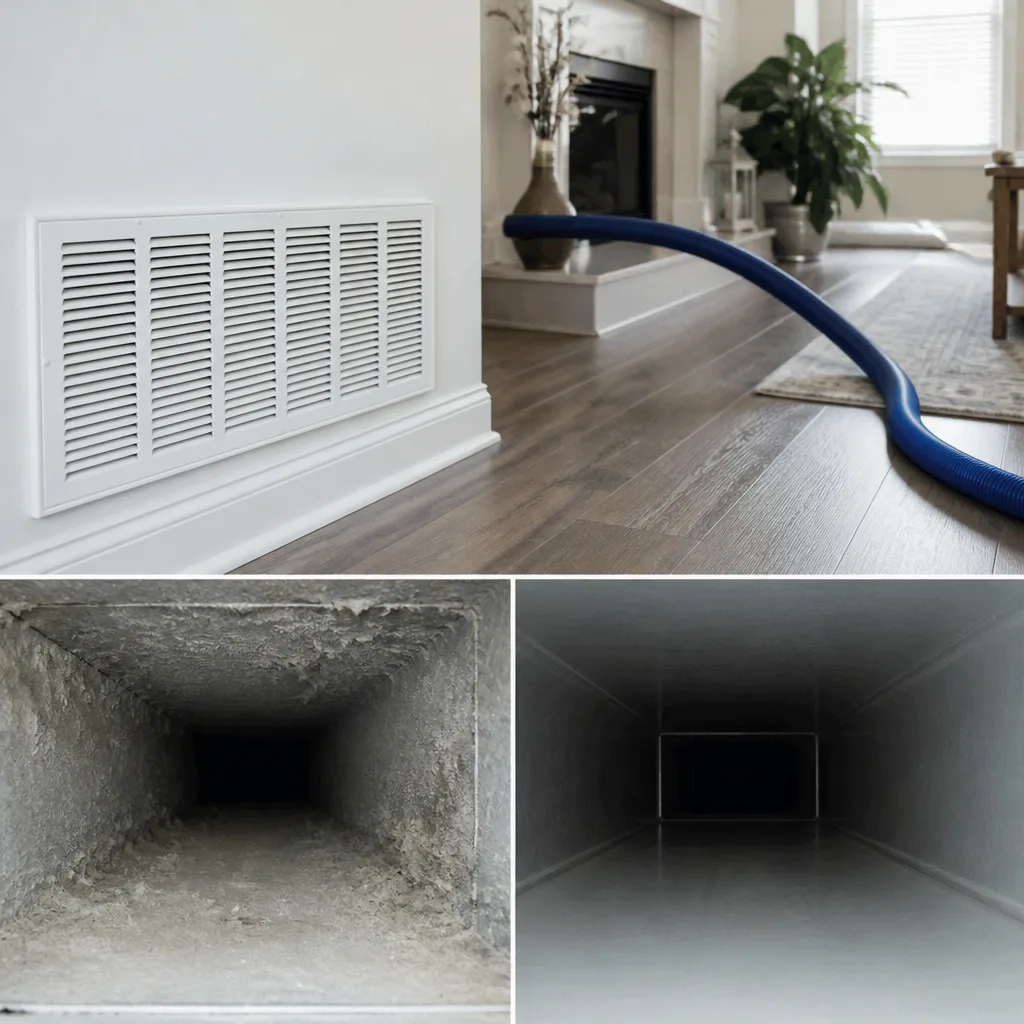 Whole-home duct cleaning
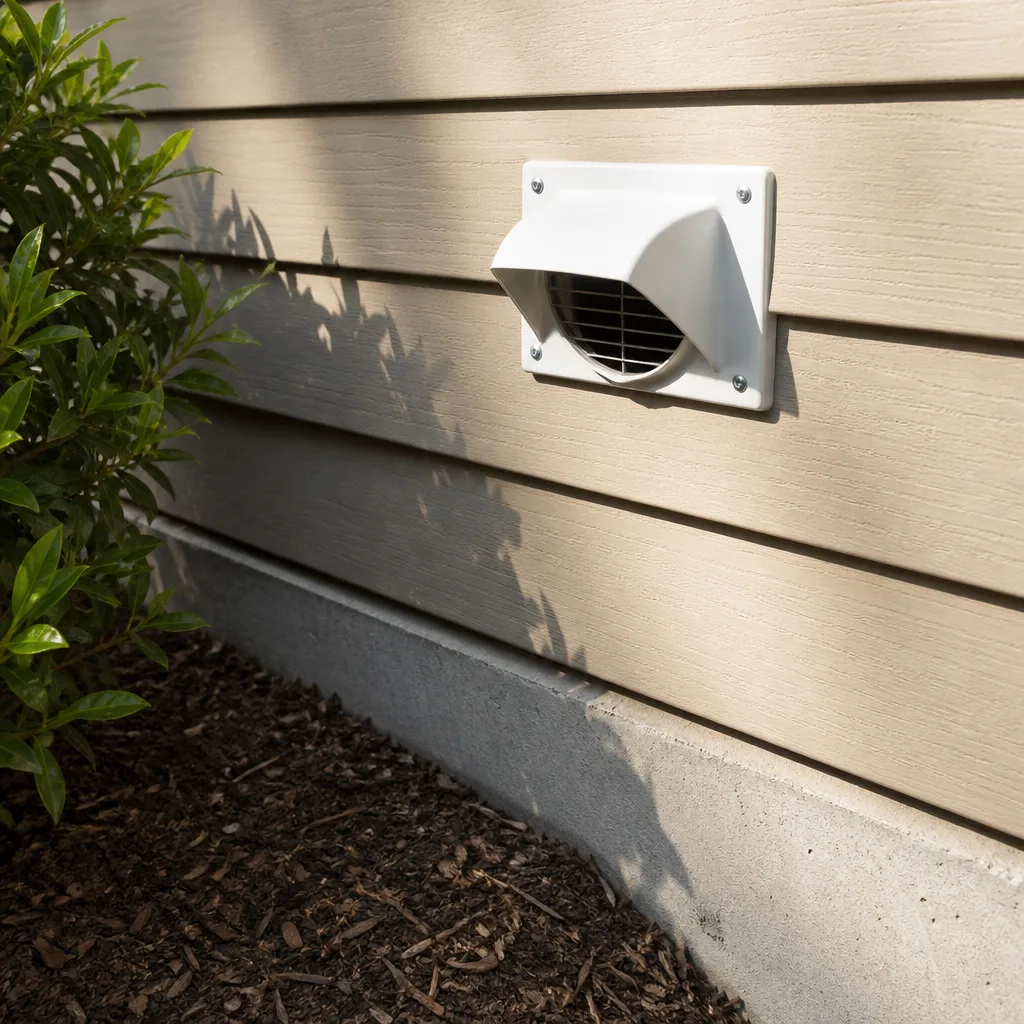 Dryer vent cleaning
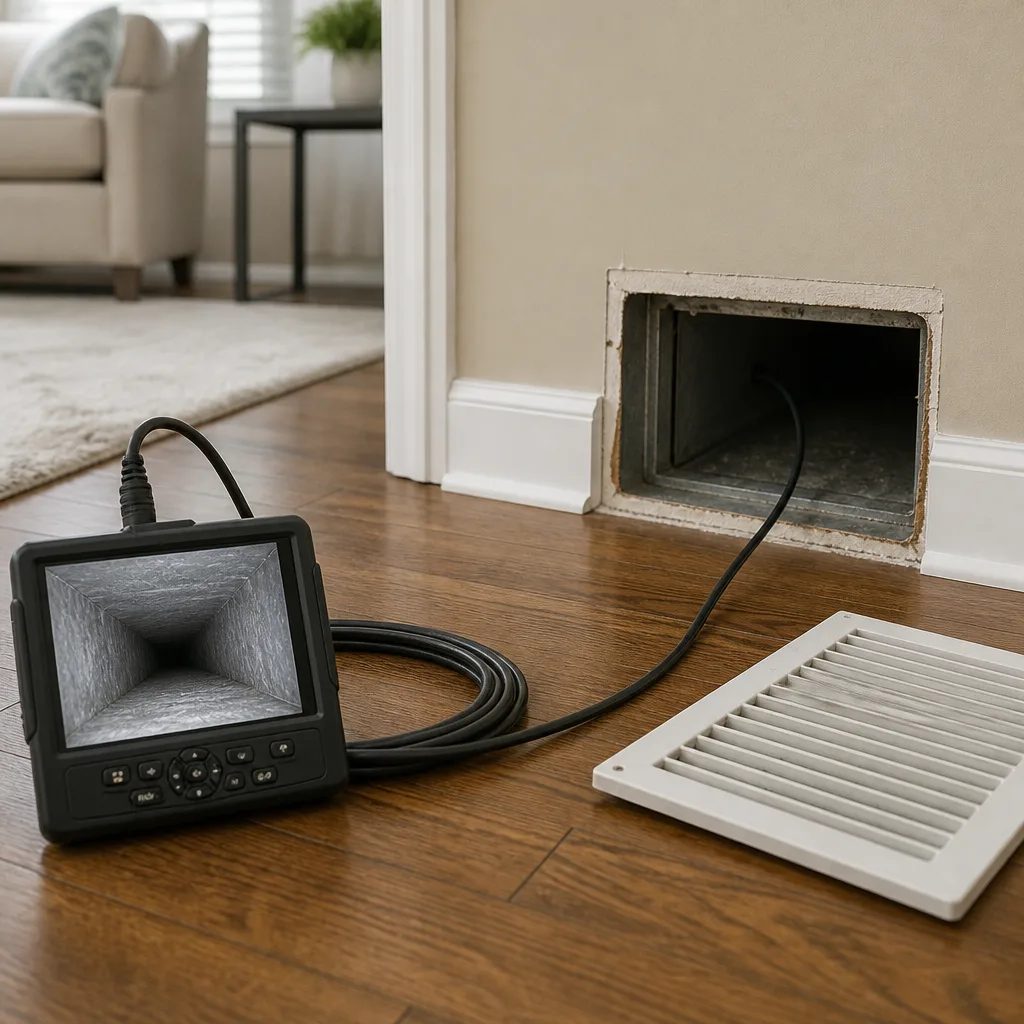 Camera inspection
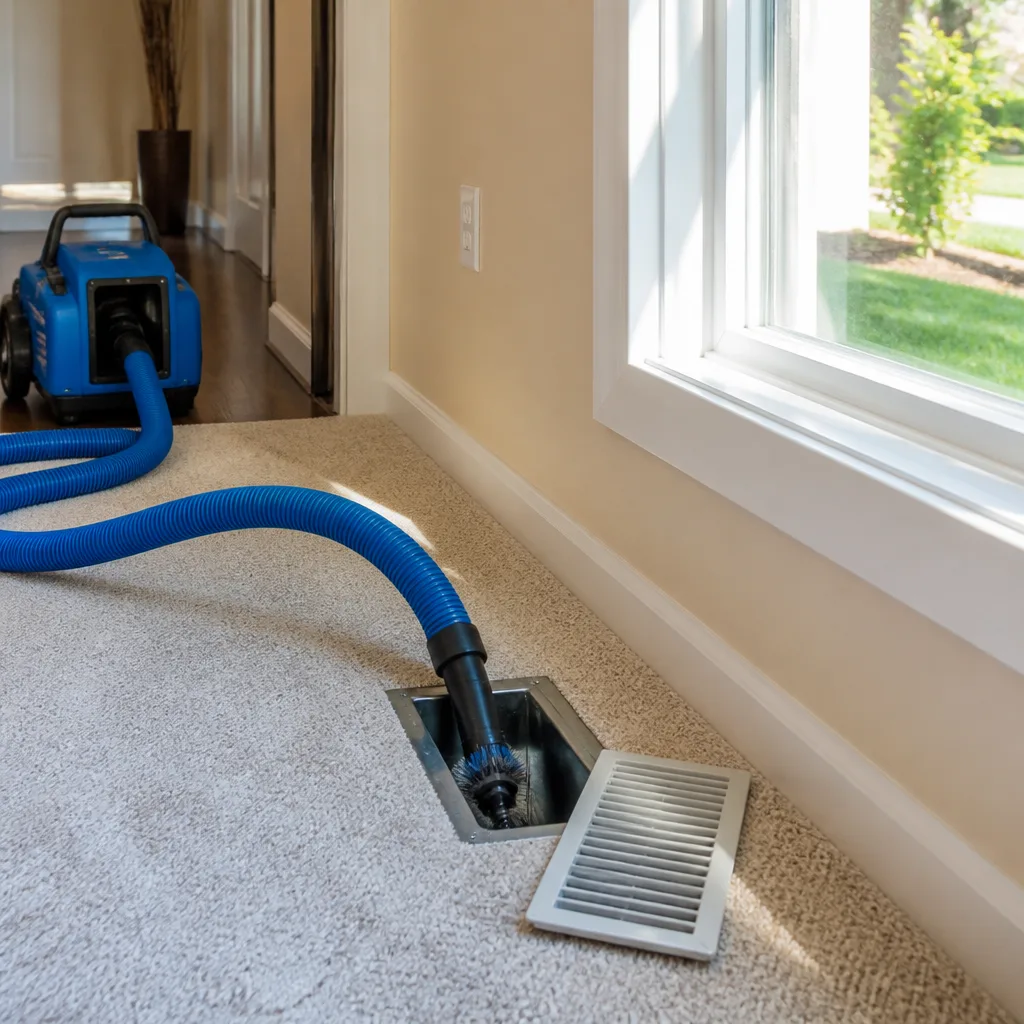 Sanitizing & deodorizing
Whole-system duct and dryer vent check with before-and-after photos - you see exactly what came out of your vents
That "$99 whole-house special" is a bait ad - the real number appears once they are in your hallway, or the "clean" is a shop-vac at the register. We photograph the inside of your ducts before and after instead.
DIY vs Professional Air Duct Cleaning: The Las Vegas Homeowner’s Decision Guide
Here’s a number that changes how you should think about air duct cleaning: a standard shop vac moves about 65 to 100 cubic feet of air per minute, or CFM. A professional negative-air machine, like the Nikro units we run in Las Vegas, moves 1,500 to 2,000 CFM. That’s a 20x gap in airflow. And in duct cleaning, airflow volume is not a nice-to-have. It’s the entire physics of whether debris leaves your home or just relocates into the air you breathe. This guide breaks down what a Las Vegas homeowner can genuinely do themselves, what requires professional equipment, and how to tell which camp your house falls into, saving real money without damaging the ductwork that keeps a 110-degree summer livable.
Styles & brands we work with
Quick Answer
DIY air duct cleaning only makes sense for targeted jobs: wiping register covers, swapping filters, or extracting drywall dust within the first 2 to 3 feet of new construction vents using a shop vac. Whole-system Air Duct Cleaning services, by contrast, require a minimum 1,500 CFM negative-pressure vacuum to extract debris rather than redistribute it through your home. If your Las Vegas home is more than a few years old, has pets, or has never been professionally cleaned, professional equipment pays for itself in air quality and avoided duct damage.
Table of Contents
- The CFM Physics: Why Airflow Volume Determines Everything
- What a Las Vegas Homeowner Can Legitimately Do Themselves
- The Las Vegas Attic Reality: Why DIY Brush Kits Are Risky Here
- Rental Equipment Reality Check: What Renting Actually Gets You
- The One Scenario Where DIY Makes Sense: New Construction
- Professional vs DIY: A Real Cost Breakdown for Las Vegas
- How to Know If Your Ducts Actually Need Professional Cleaning
- Common Mistakes to Avoid
- When to Call a Professional
- Frequently Asked Questions
- The Bottom Line
The CFM Physics: Why Airflow Volume Determines Everything
Duct cleaning is less like vacuuming a carpet and more like dredging a river. The goal is not just to loosen debris. The goal is to move that debris out of the duct entirely, through a contained extraction path, and into a collection chamber or outside your home. That requires moving enough air volume to carry the debris along with it.
Here’s how the physics works. Your ducts have a cross-sectional area, typically 8 to 12 inches in diameter for main trunk lines. When you insert any vacuum into that duct, the air has to move fast enough to lift and carry dust, hair, drywall particles, and other debris through the hose and into the collection point. A shop vac rated at 65 to 100 CFM pulls a narrow, high-velocity stream of air, but only through a 2-inch hose. Hook it up to an 8-inch duct and the airflow velocity drops off dramatically. It’s like trying to drain a swimming pool with a drinking straw.
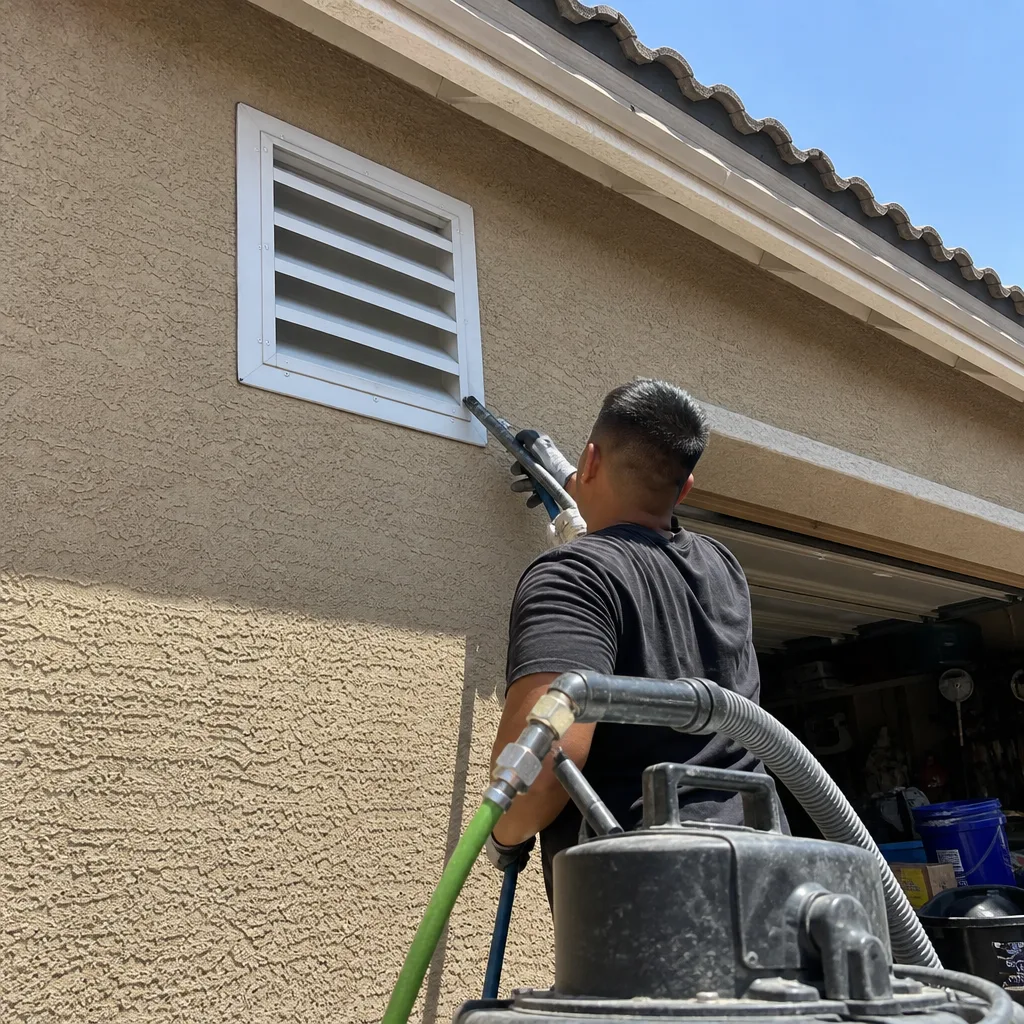
Professional negative-pressure machines, such as Nikro HEPA vacuums, solve this by moving 1,500 to 2,000 CFM through a 10 to 12 inch extraction hose. That volume creates a vacuum throughout the entire duct run, pulling loosened debris backward through the system and directly out of the living space. The Rotobrush rotary brush system we use in Las Vegas works in tandem with that negative pressure: the brush agitates and scrubs the duct walls while the Nikro vacuum captures the loosened material before it re-enters a room.
The key distinction is negative-pressure containment, which means the duct system is maintained under vacuum during the entire cleaning process. Any debris that gets knocked loose is immediately drawn out of the system. A shop vac, by contrast, operates without maintaining negative pressure through the entire duct run, so much of what it loosens simply drifts back into a bedroom or living room within the month. In Las Vegas dust conditions, that’s not a theoretical risk. It’s the everyday reality of running a sealed home against the Mojave.
Why This Matters More in Las Vegas Than Elsewhere
Las Vegas sits in a desert basin. The air carries fine alkaline dust, pollen from non-native landscaping, and construction debris from one of the fastest-growing metro areas in the country. Homes here run closed-loop HVAC systems for much of the year, meaning whatever enters your ducts circulates through your living space repeatedly. A poor cleaning job doesn’t just fall short of clean. It actively suspends dust in your indoor air for weeks afterward. We regularly hear from Las Vegas homeowners in Summerlin and Henderson who attempted DIY cleaning with a rented vacuum and then called us because their allergies got worse, not better.
What a Las Vegas Homeowner Can Legitimately Do Themselves
There are four maintenance tasks that a homeowner can tackle safely and effectively, without investing in professional equipment or risking duct damage.
- Register cover cleaning. Remove the metal or plastic register covers from your floor, wall, or ceiling vents. Soak them in warm soapy water, scrub with a stiff brush, and dry them thoroughly before reinstalling. This removes visible dust and pet hair that accumulates on the registers themselves. In Las Vegas, we recommend doing this every 3 to 4 months, especially if you run your air conditioning heavily from May through September. This task typically takes 10 minutes per register.
- Return grille wipe-down. The return grille on your HVAC system accumulates a dust coating that restricts airflow. Wipe it down with a damp microfiber cloth monthly during cooling season. If the grille is large and doubles as a filter access panel, vacuum the filter slot as well. This maintains proper airflow into the system and reduces strain on the blower motor. In many Las Vegas homes with ceiling-mounted returns, this is the single highest-impact free maintenance task you can do.
- Filter swaps. Change your HVAC filter every 30 to 60 days during peak cooling season in Las Vegas. Homes with pets or that run the AC continuously from May through October should lean toward the 30-day side. This is simple, inexpensive, and keeps the duct system from pulling in more debris. Honeywell and Aprilaire both make high-quality replacement filters that fit standard return sizes, and most Las Vegas hardware stores stock them.
- Dryer vent brush-out on short runs. If your dryer vent is a straight run under 10 feet without sharp bends, a basic dryer vent brush kit from a hardware store can handle the job. Disconnect the dryer, insert the brush, and push it through from the exterior vent hood. This removes lint buildup that reduces dryer efficiency and creates a fire hazard. Any run longer than 10 feet, with bends, or that terminates on a roof is worth handling through professional dryer vent cleaning in Las Vegas because the tools and access requirements change.
For more involved preventative work, see our guide on air duct cleaning in Las Vegas to understand what a full professional service covers and how it compares to these home-level tasks.
The Las Vegas Attic Reality: Why DIY Brush Kits Are Risky Here
Las Vegas attics are uniquely hostile to both humans and ductwork. In July and August, attic temperatures routinely exceed 150 degrees Fahrenheit. That heat does more than make DIY work miserable. It fundamentally changes the material properties of the flex duct and rigid ductwork that carries conditioned air through most Las Vegas homes.
Flex duct, the insulated, accordion-style duct common in tract homes built in Henderson, Summerlin, North Las Vegas, and across the Valley, uses a thin plastic inner liner. When that liner spends years baking in high heat, it becomes brittle. Flex duct installed in the early 2000s in a Las Vegas attic reaches a delicate state. A stiff DIY brush kit pushed through that brittle liner can puncture, tear, or detach it from the connecting collar. We have repaired ducts in Spring Valley where homeowners created a 6-inch tear in the liner by running a stiff brush through a 20-foot flex run. That tear leaked conditioned air into a 150-degree attic, drove their summer electric bill up by 18 percent in one month, and ultimately cost more to repair than a professional cleaning would have cost in the first place.
This is not a knock on homeowner effort. It’s a material reality of the desert. Flex duct has a service life. Las Vegas shortens that life. Running any agitation tool, whether a brush or a whip, through ductwork you cannot see, in a space you cannot comfortably stand, against a material that has been heat-stressed for a decade, is a gamble. The downside of that gamble is not dirt that stays put. It’s a hole that leaks money every time the AC kicks on.
Professional HVAC cleaning in Las Vegas addresses this by combining visual inspection with appropriate agitation tools and by using negative-pressure extraction that does not require pushing a brush into every inch of flex duct by feel alone. A technician can see what they’re working with, adjust pressure accordingly, and document the condition of the liner before and after.
Rental Equipment Reality Check: What Renting Actually Gets You
The DIY cost argument usually rests on the assumption that you can rent commercial-grade equipment for a fraction of the professional cost. Here’s what the Las Vegas rental market actually offers and why the math often works against the DIY path for whole-system cleaning.
Home improvement rental centers in the Las Vegas area stock compressors, carpet cleaners, and shop vacs. What they do not generally stock is a true negative-air duct cleaning machine. The closest commercial rental option is a high-CFM air scrubber, which filters air rather than extracting debris from ductwork. A standard rental shop vac tops out around 100 CFM. That’s 15 to 20 times less airflow than a Nikro extraction unit. The tool simply is not available at the rental counter for good reason: these machines cost $8,000 to $20,000 and require training to operate correctly.
Some specialty equipment rental companies in the Las Vegas metro area do carry negative-air machines, typically for construction and mold remediation. Those machines rent for about $250 to $400 per day, which sounds reasonable until you add the full picture. You need an access kit to connect the negative-air machine to the duct system, typically another $75 to $150. You need a rotary brush system, either rented or purchased, to actually agitate debris off the duct walls; a rental brush system runs $150 to $300 per day. By the time you’ve collected everything, you’re at $500 to $850 in rental costs, plus a full day of your time, plus the risk of damaging brittle attic ductwork in the summer heat. A professional Cardinal Air Duct Las Vegas cleaning typically covers the whole system with trained technicians, professional-grade Rotobrush and Nikro equipment, and a written price before any work starts.
Rental equipment also arrives without expertise. A negative-air machine connected incorrectly can collapse a section of flex duct or blow dust through your return system. We’ve corrected rental-machine jobs in Centennial Hills where homeowners bought an access kit, hooked the machine up to the wrong plenum, and pushed a week of accumulated dust through every supply register in the house.
The One Scenario Where DIY Makes Sense: New Construction
There is exactly one common scenario in Las Vegas where a homeowner can legitimately handle duct cleaning without professional equipment: new construction dust.
New builds in Las Vegas, from Mountain’s Edge to Skye Canyon, arrive with a predictable problem. Drywall dust, joint compound dust, and fine construction debris get into the duct system during the build. The good news is that most of that debris settles within the first 2 to 3 feet of the supply registers, where it’s accessible without entering the attic or pushing tools deep into the duct runs.
Here’s the targeted DIY approach that works for new construction:
- Remove every supply register cover. Number them with painter’s tape and a marker so each one goes back in the same spot.
- Shop-vac the first 3 feet of each supply duct. Use a crevice tool and a flashlight. Reach in as far as the tool allows, but don’t push deeper than 3 to 4 feet. The goal is to capture visible drywall dust, not to scrape the entire duct run.
- Wipe down each register cover with warm water and mild dish soap, then dry completely and reinstall.
- Run the system fan on “on” for 25 to 30 minutes with fresh filters installed to circulate any remaining fine dust through the filter media.
- Replace the filter again after that first circulation cycle. The new filter will have captured the airborne construction dust that your initial vacuuming missed.
This approach works because drywall dust is lightweight, mostly within reach, and not adhered to duct walls. It has not been baked on by Las Vegas heat for a decade. It has not been bonded with cooking grease or pet dander. It’s a surface-level problem with a surface-level solution, and a shop vac is adequate for the job.
What this approach does not do is clean the main trunk line that runs through your attic. In a new construction home, that trunk line is usually clean anyway because the build process doesn’t introduce much debris into the attic runs. If you’re moving into a resale home that was built 10 or 15 years ago, the ductwork has had a decade of Las Vegas dust cycles, and the targeted approach won’t touch the buildup in the trunk line or the far reaches of the flex runs.
Professional vs DIY: A Real Cost Breakdown for Las Vegas
Let’s put dollar figures on both paths for a typical Las Vegas home, roughly 1,800 to 2,400 square feet with 10 to 14 supply registers and one main return.
DIY Whole-System Attempt (Not Recommended)
- Shop vac or rental vacuum: $40 to $100 for a shop vac you already own, or $50 to $90 per day for a high-CFM rental unit
- Duct brush kit from hardware store: $35 to $70
- Replacement filters: $25 to $45 for two standard filters
- Cleaning supplies, gloves, flashlight, ladder: $30 to $60
- Total out of pocket: $130 to $275
But factor in the likely outcomes: incomplete extraction that leaves debris suspended in your indoor air, a torn flex duct liner that costs $250 to $600 to repair, or a weekend spent in a 150-degree attic. When any one of those happens, the effective cost of DIY exceeds the professional route, and you still don’t have a clean duct system.
Professional Whole-System Cleaning
- Typical whole-system air duct cleaning in Las Vegas: $450 to $750 for an 1,800 to 2,400 square foot home with 10 to 14 supply registers and one main return, using negative-pressure extraction and rotary brush agitation
- Scope: Full supply and return duct cleaning, trunk line, plenum inspection, register reinstallation, and before-and-after photo documentation
- Time on site: 3 to 5 hours, depending on system size and access
Professional cleaning operates on a flat-price-per-system model. Most standard air duct cleanings in Las Vegas run $450 to $750 for a typical home, with the exact figure driven by square footage, number of registers, and system configuration. That’s the honest range for real negative-pressure extraction, not the teaser rates some national chains advertise and then inflate at the door. The difference between that price and the rental path above is smaller than most homeowners expect, and it buys trained labor, professional equipment, and a company standing behind the work.
How to Know If Your Ducts Actually Need Professional Cleaning
Not every home needs duct cleaning. Here’s how to assess whether the service is worth the investment in your Las Vegas home.
- You see dust accumulating on register covers within days of cleaning them. That dust is coming from inside the ducts, not the room. In Las Vegas homes, this is the clearest signal that the duct system itself is loaded with accumulated material.
- Your home was built more than 5 to 7 years ago and has never had the ducts cleaned. Las Vegas dust conditions deposit a fine alkaline film on duct walls that builds year over year. A home that’s been through seven summers without a cleaning has measurable buildup.
- You have pets, especially multiple indoor dogs or cats. Pet hair and dander bond with dust and form a mat inside ducts that is nearly impossible to remove without agitation and negative-pressure extraction.
- You renovated, replaced flooring, or had major drywall work done. Construction dust works its way into every crevice, including the duct system, and needs professional extraction to remove it properly.
- You notice inconsistent airflow between rooms. A room that never cools to the same temperature as the rest of the house often indicates a duct issue, whether a disconnected run, a blockage, or a liner collapse. Professional inspection and cleaning addresses airflow problems directly.
- Your allergies are worse at home than away from home. The HVAC system recirculates whatever is in the ducts through your living space every time the fan runs. In Las Vegas, where AC runs constantly from May through October, that’s thousands of air exchanges per year.
Common Mistakes to Avoid
- Using high-CFM rental equipment without training. A negative-air machine connected to the wrong plenum can pull a section of flex duct into a pancake. That damage costs more to repair than the professional cleaning would have cost originally.
- Pushing a stiff brush through brittle attic flex duct. Las Vegas heat ages flex duct liners. A brush that would be fine on metal ductwork in a temperate climate can puncture or tear the liner in a 150-degree Summerlin attic. The repair bill lands north of $300 for a simple patch, more if the entire run needs replacement.
- Believing a shop vac can clean an entire duct system. At 65 to 100 CFM, a shop vac takes a month to remove what a 1,500 to 2,000 CFM negative-air machine removes in an afternoon. Most of what the shop vac loosens simply re-enters the living space.
- Skipping post-cleaning inspection. A reputable professional documents the work with before-and-after photos. If you clean DIY or hire a cut-rate provider that offers no photo proof, you cannot verify the work happened at all. Demand visual proof of the duct interior.
- Hiring based on a teaser price. National duct cleaning chains advertise Las Vegas specials at $59 or $99, then add per-vent charges, filter fees, and sanitizer upsells until the invoice quadruples. Get a written whole-system price before any work starts, and walk away from any company that won’t provide one.
- Ignoring the dryer vent while focusing on air ducts. The dryer vent is a separate system with a higher fire risk. If you’re investing in duct cleaning, have the dryer vent evaluated as well. This is particularly important in Las Vegas households that run multiple loads per week through the hottest months.
- Running the HVAC system constantly during a DIY attempt. If the blower kicks on mid-DIY-cleaning, it sends loosened debris through every room. Turn the system off at the breaker before attempting any at-home cleaning task, and leave it off until the job is done.
When to Call a Professional
Call a professional when any of these apply: your Las Vegas home has not had its ducts cleaned in over 7 years; you have multiple indoor pets; you’ve renovated or replaced flooring; you notice visible dust on register covers within days of cleaning them; your attic flex duct shows signs of age or damage; or you simply don’t want to spend a Saturday wrestling a rental machine through a 150-degree attic. See our How to Hire a Air Duct Cleaning Contractor in Las Vegas: A Step-by-Step Guide for help choosing the right pro. The equipment gap is real, and the risk of damaging a heat-stressed duct system is real. Cardinal Air Duct Las Vegas offers free estimates in Las Vegas, with a written price before any work starts, before-and-after photo documentation, and live trackable arrival times through The Relay Standard. Call (725) 600-6597 to book a free estimate.
Frequently Asked Questions
DIY air duct cleaning is worth it only for targeted tasks like register cover cleaning, filter swaps, and extracting drywall dust from the first 2 to 3 feet of new construction vents. For whole-system cleaning in an established Las Vegas home, a shop vac’s 65 to 100 CFM cannot match the 1,500 to 2,000 CFM negative-pressure extraction professional machines deliver. If your home is over 5 years old and has never been professionally cleaned, call (725) 600-6597 for a free estimate from Cardinal Air Duct Las Vegas.
Professional air duct cleaning in Las Vegas typically runs $450 to $750 for a standard 1,800 to 2,400 square foot home with 10 to 14 supply registers and one main return. The exact price depends on system size, register count, access difficulty, and contamination level. Cardinal Air Duct Las Vegas provides a written price before any work starts, so the figure you’re quoted is the figure you pay. Call (725) 600-6597 for a free estimate.
No, a shop vac cannot effectively clean a whole air duct system. A shop vac produces 65 to 100 CFM, while professional Nikro negative-air machines produce 1,500 to 2,000 CFM. The shop vac’s lower airflow simply loosens debris and leaves much of it suspended in your indoor air. Shop vacs are adequate for cleaning the first 2 to 3 feet of supply ducts in a new construction home, but not for cleaning the main trunk line or the far reaches of flex duct runs. For a proper whole-system cleaning, call Cardinal Air Duct Las Vegas at (725) 600-6597.
Low advertised prices in Las Vegas duct cleaning are typically teaser rates that balloon once the technician arrives. The common model is a $59 or $99 initial quote followed by per-vent upcharges, filter fees, sanitizer add-ons, and pressure tactics. Legitimate negative-pressure cleaning with professional equipment costs real money to deliver. Cardinal Air Duct Las Vegas operates on a flat-price-per-system model with a written price provided before any work starts, so the quote you receive is the price you pay. Call (725) 600-6597 for a free estimate with no bait-and-switch.
In Las Vegas, air ducts should be professionally cleaned every 5 to 7 years for most homes, with more frequent cleaning recommended for households with multiple pets, allergy sufferers, recent renovations, or residents who smoke. The Las Vegas climate produces fine alkaline dust that accumulates steadily in ductwork, and the sealed-home reality of summer means whatever is in your ducts recirculates constantly. Check out our Dryer Vent Cleaning Maintenance Checklist for Las Vegas Homeowners to keep your whole ventilation system safe. Homes in Summerlin, Henderson, and North Las Vegas built over a decade ago and never cleaned are strong candidates for service. Contact Cardinal Air Duct Las Vegas at (725) 600-6597 to schedule a cleaning.
A reputable duct cleaning company provides before-and-after photo documentation of the duct interior, showing the actual surfaces cleaned. If a company refuses to provide photo proof or cannot show you the interior of your ducts, treat that as a red flag. Cardinal Air Duct Las Vegas includes before-and-after photos with every cleaning through The Relay Standard, along with live trackable arrival times and a digital invoice. Call (725) 600-6597 to book.
The Bottom Line
The DIY vs. professional duct cleaning decision in Las Vegas comes down to physics, not just cost. A shop vac’s 65 to 100 CFM cannot extract debris from a whole-system duct network, and pushing a brush through heat-stressed flex duct risks causing more damage than the cleaning costs to prevent. Homeowners can legitimately handle register cleaning, filter maintenance, and new construction dust extraction. But for the whole-system cleaning that keeps Las Vegas indoor air healthy, professional negative-pressure extraction is the standard, and the cost gap between renting adequate equipment and hiring a professional is smaller than most people assume. Cardinal Air Duct Las Vegas offers free estimates at (725) 600-6597, with written pricing, before-and-after photo proof, and live trackable arrival through The Relay Standard. Browse more guides & resources on keeping your home’s air clean.
Written by Omar Haddad, Owner at Cardinal Air Duct Las Vegas, serving Las Vegas since 2005.
See the difference
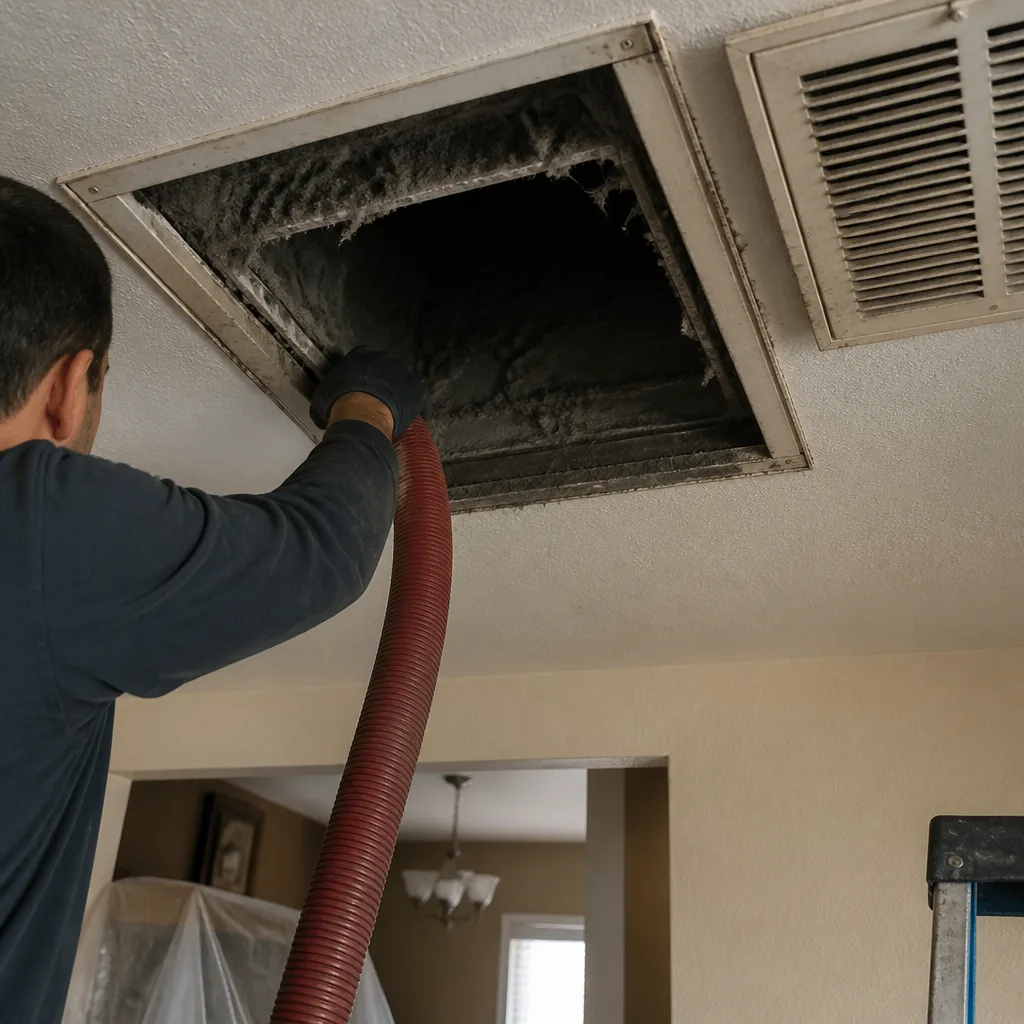 Before
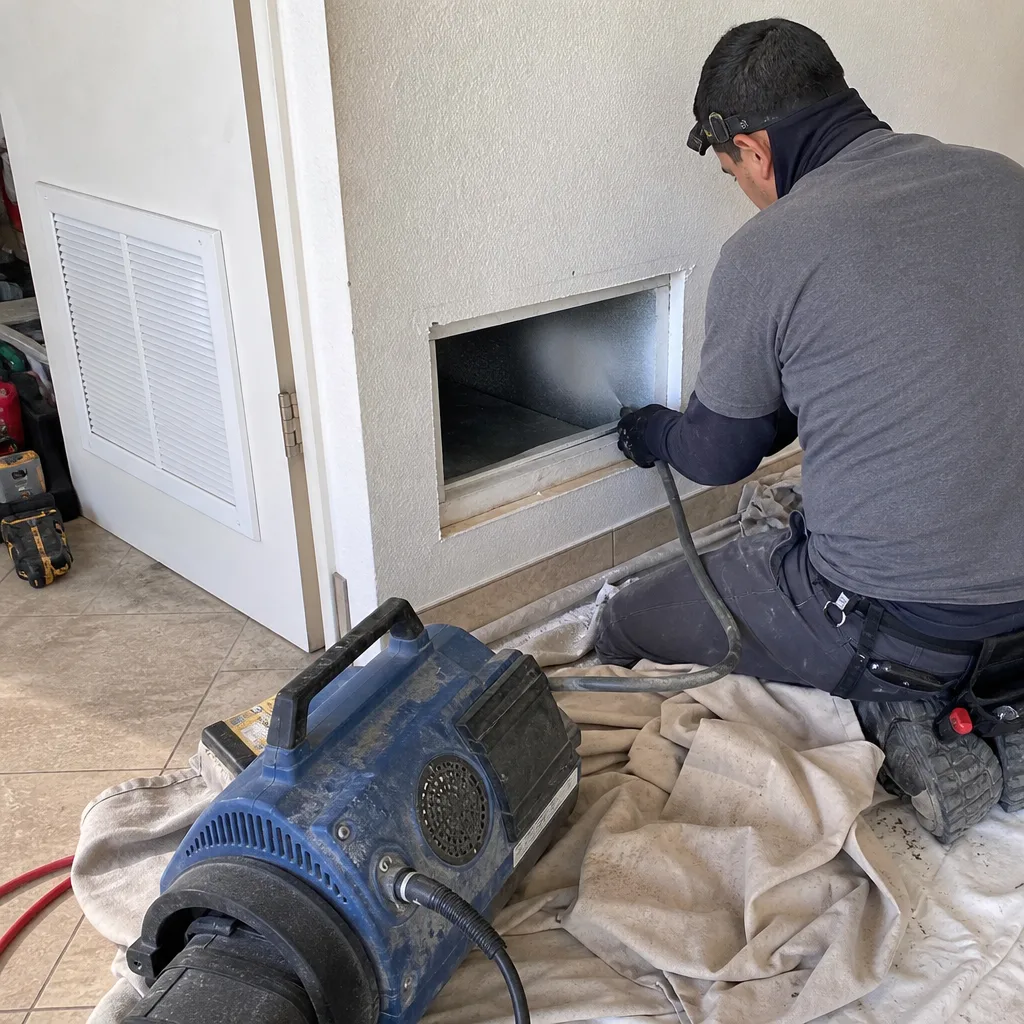 After
After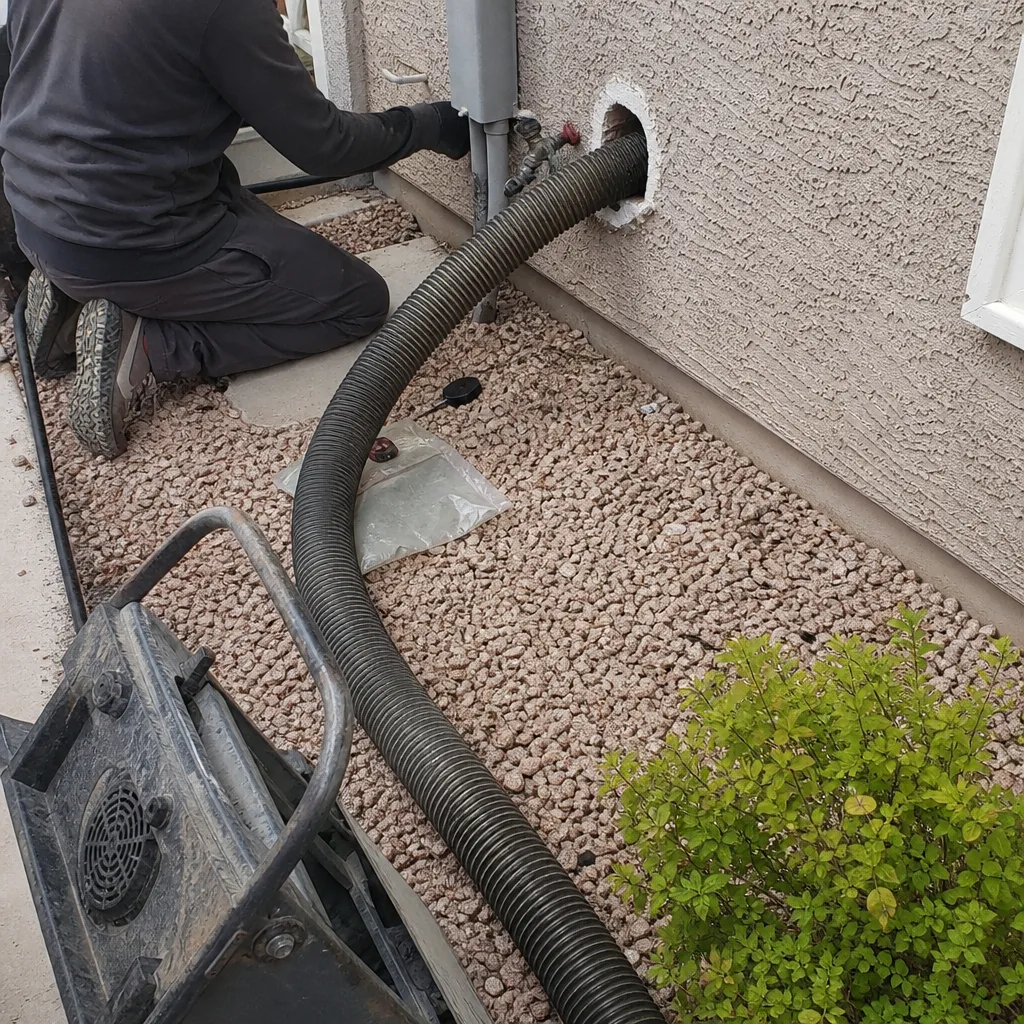 Before
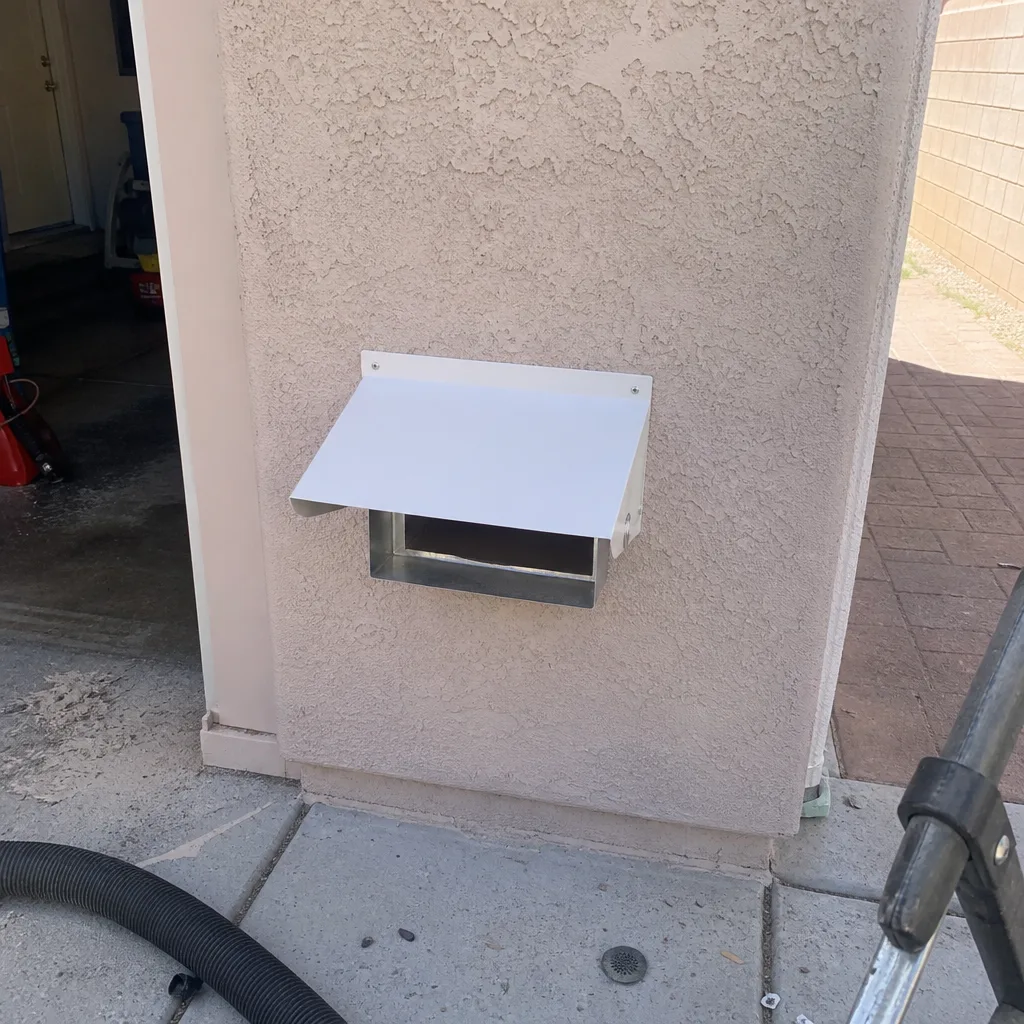 After
After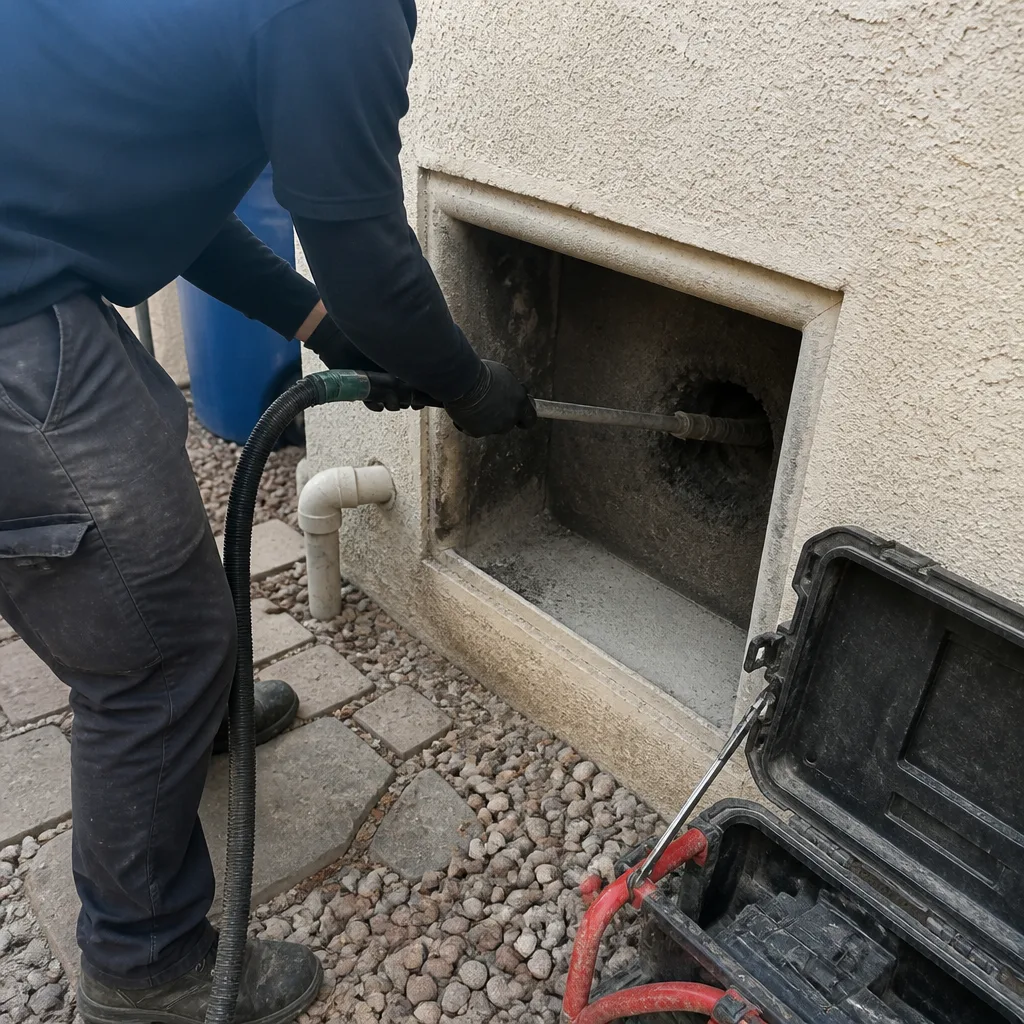 Before
 After
After